

Investigating electoral tampering is essential
Advertisement
Read this article for free:
or
Already have an account? Log in here »
To continue reading, please subscribe:

Digital Subscription
One year of digital access for only $205*
- Enjoy unlimited reading on winnipegfreepress.com
- Read the E-Edition, our digital replica newspaper
- Access News Break, our award-winning app
- Play interactive puzzles
*First annual payment billed as $205.00 + GST for one year. This annual subscription will automatically renew at $233.00 + GST every 52 weeks (10% off the regular annual price of $259.35). Offer available to new and qualified returning subscribers only. Cancel any time.
To continue reading, please subscribe:
Add Free Press access to your Brandon Sun subscription for only an additional
$1 for the first 4 weeks*
- Enjoy unlimited reading on winnipegfreepress.com
- Read the E-Edition, our digital replica newspaper
- Access News Break, our award-winning app
- Play interactive puzzles
*Your next Brandon Sun subscription payment will increase by $1.00 and you will be charged $17.95 plus GST for four weeks. After four weeks, your payment will increase to $24.95 plus GST every four weeks.
Read unlimited articles for free today:
or
Already have an account? Log in here »
Hey there, time traveller!
This article was published 12/03/2024 (893 days ago), so information in it may no longer be current.
Former Alberta premier Jason Kenney called it an exoneration.
But it should be called something else entirely.
Perhaps, yet another voting wake-up call, albeit one on the small side.
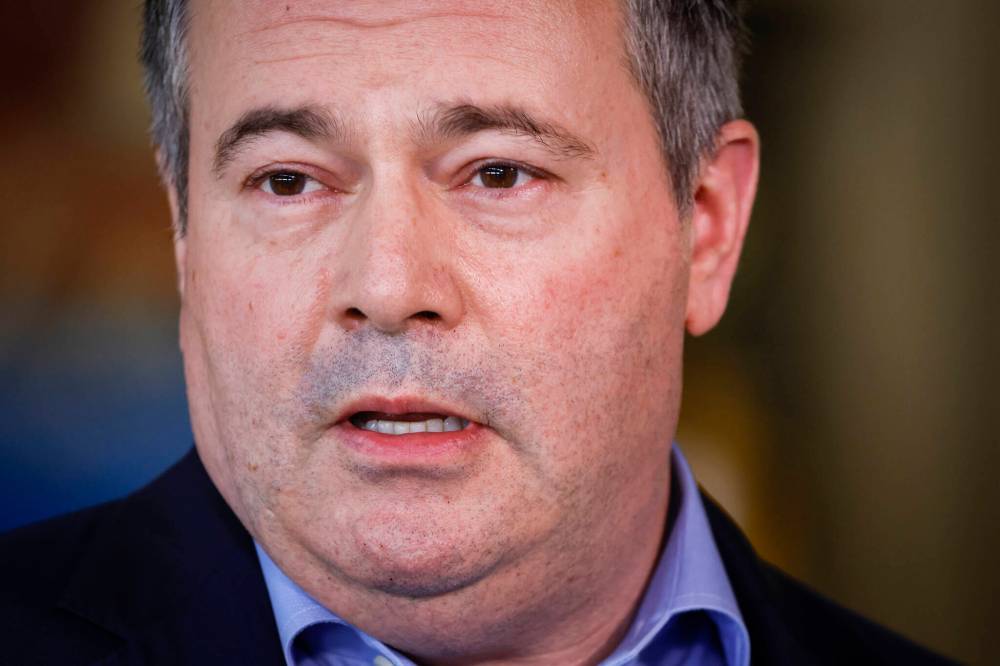
Canadian Press/File
Former Alberta Premier Jason Kenney
Friday, the RCMP held a news conference to say they had ended an investigation into fraudulent votes cast in the first United Conservative Party leadership campaign. There wasn’t enough evidence to lay charges, but the police say that they did find up to 200 votes that were supposedly cast by party members — but those party members told the police that they hadn’t voted at all.
“This wasn’t a widespread situation” Alberta RCMP superintendent Rick Jané told an Edmonton news conference. “There was no hacking like technological hacking. There was no use of foreign interference. … This was a situation where it appears that it is possible that in some cases somebody obtained personal information that allowed them to register and receive a PIN to vote and then cast that vote.”
Basically, using the names of party members and fictitious email addresses, someone harvested the PINs needed to cast votes in the campaign, and then voted. The RCMP could not establish who that person — or persons — were.
The police also could not connect any leadership candidate or campaign to the fraudulent voting.
The number of votes was hardly enough to change the outcome of the campaign: Jason Kenney won with 36,625 votes, compared to runner-up Brian Jean’s 18,336.
But the relative ease — and subsequent anonymity — of gaming the leadership campaign’s system should be alarming to anyone. The RCMP conducted hundreds of interviews using 65 investigators, spending $460,000 on travel and overtime, and still did not find the false voters involved.
Beyond the UCP situation, there have been concerns about Chinese interference in the last federal election, potential interference from India in the last federal Conservative leadership race, and concerns from both police and elections officials about potential efforts by foreign agents to influence future Canadian elections at a variety of levels. All of those concerns need to be investigated every bit as diligently as the UCP case was.
Canada has an enviable record of holding free and fair elections, overseen by an arm’s-length agency that has been essentially beyond reproach. It isn’t easy to do, once you consider that, once votes leave the voter’s hands, they become essentially anonymous. Continuing to have a successful system also means protecting it.

We have to be alert and aware that bad actors will test any tools they can to exploit weaknesses in electoral systems, whether it’s foreign nations finding ways to support individual candidates or parties that are seen as “friendly” to their interests, or whether it’s locally grown attempts to manipulate votes.
Right now, we have the ability to trust in our electoral system.
And once that trust is tested, or worse, lost, it’s very hard to regain. We’ve seen, to the south of us, what happens when politicians actively undermine the integrity of voting and elections. The doubt that has been sown in the United States could easily take generations to undo — even though concerns about the last presidential election have been discredited again and again and again.
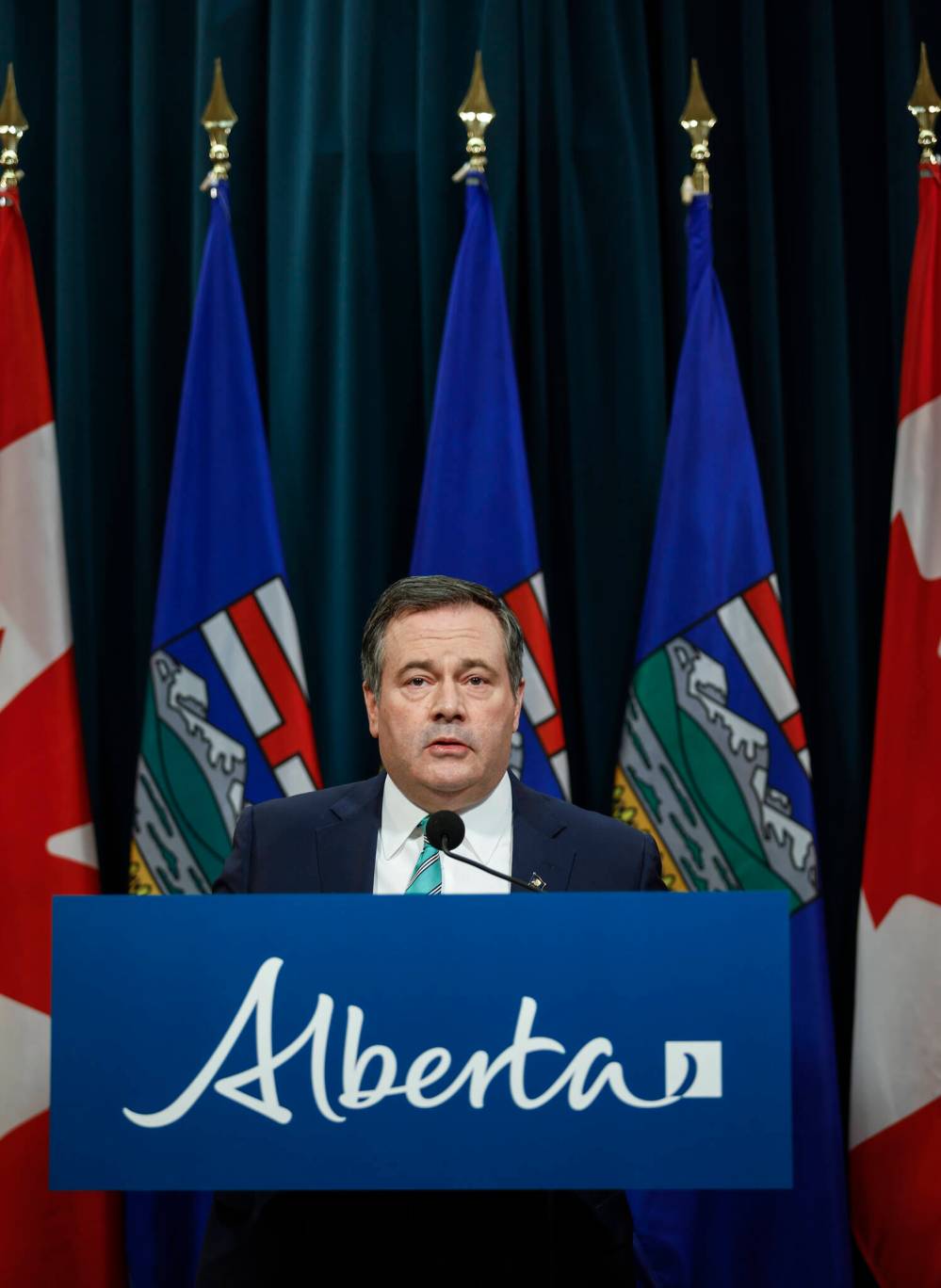
Alberta Premier Jason Kenney gives a COVID-19 update in Calgary, Alta., Tuesday, Feb. 8, 2022. THE CANADIAN PRESS/Jeff McIntosh
The solution is to investigate concerns about attempts to influence election and leadership campaigns fully and completely. The RCMP did that in the UCP’s case, and we should consider the breadth and expense of their efforts to be money well spent.
The best way to quell doubts about what happens at the ballot box is to jump on any concerns right away.
Related Articles
Ex-Calgary mayor Naheed Nenshi joins NDP leadership race to combat "immoral" UCP

Advertisement Advertise With Us
Advertisement Advertise With Us