

Planning now for a greying Manitoba
Advertisement
Read this article for free:
or
Already have an account? Log in here »
To continue reading, please subscribe:
Digital Subscription
One year of digital access for only $75*
- Enjoy unlimited reading on winnipegfreepress.com
- Read the E-Edition, our digital replica newspaper
- Access News Break, our award-winning app
- Play interactive puzzles
*Billed as $5.77 plus GST every four weeks. After 52 weeks, price increases to the regular rate of $19.95 plus GST every four weeks. Offer available to new and qualified returning subscribers only. Cancel any time.
Monthly Digital Subscription
$4.99/week*
- Enjoy unlimited reading on winnipegfreepress.com
- Read the E-Edition, our digital replica newspaper
- Access News Break, our award-winning app
- Play interactive puzzles
*Billed as $19.95 plus GST every four weeks. Cancel any time.
To continue reading, please subscribe:
Add Free Press access to your Brandon Sun subscription for only an additional
$1 for the first 4 weeks*
- Enjoy unlimited reading on winnipegfreepress.com
- Read the E-Edition, our digital replica newspaper
- Access News Break, our award-winning app
- Play interactive puzzles
*Your next Brandon Sun subscription payment will increase by $1.00 and you will be charged $17.95 plus GST for four weeks. After four weeks, your payment will increase to $24.95 plus GST every four weeks.
Read unlimited articles for free today:
or
Already have an account? Log in here »
Hey there, time traveller!
This article was published 06/04/2024 (777 days ago), so information in it may no longer be current.
It’s a familiar refrain — vulnerable populations find themselves in difficult straits because government policy simply has not kept pace with social change.
In this case, it’s the seniors who have been left behind.
Last week, the Free Press reported that about 1,000 Manitoba seniors are on a wait list for a long-term care bed. Of those, 897 are waiting for a personal care home bed. Like the rest of Canada, and much of the world, Manitoba is facing the problems an aging population presents: A substantial portion of the province is reaching the so-called golden years, and there are only 10,000 beds to go around.
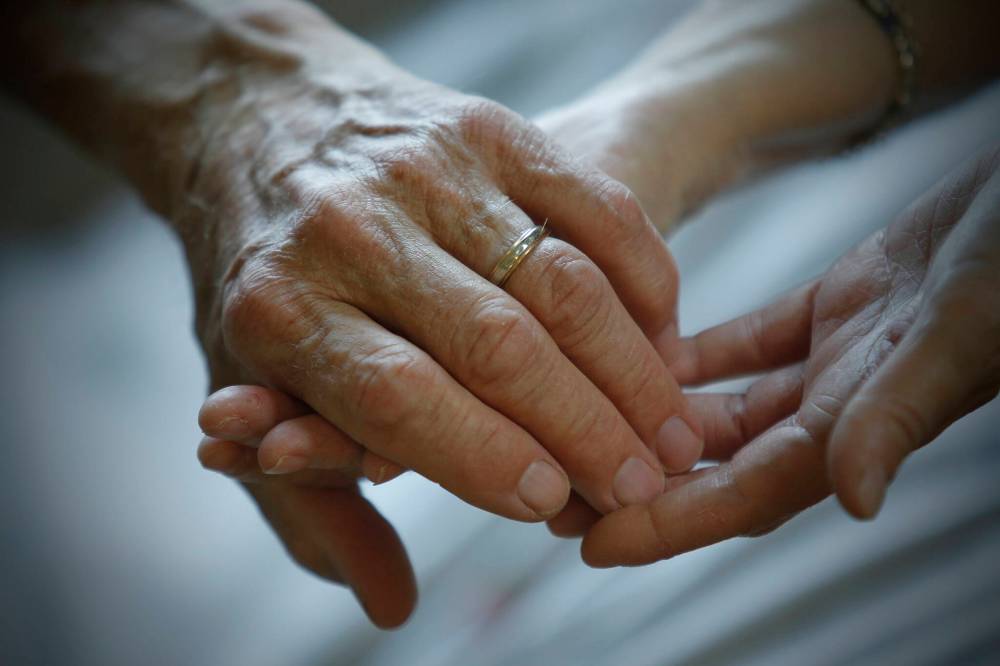
John Woods/Winnipeg Free Press
Preparing for Maintoba’s elderly population can’t wait.
In the last century, the makeup of the average family has changed tremendously, and those changes have meant difficulties in figuring out how to care for both the very young and the very old. Broadly speaking, it used to work like this: parents would raise their children; the aged parents would then live with their adult children, possibly even in the same home; the elders of the family would look after the grandchildren while the parent(s) worked.
The younger parents would then care for the elders in their dotage, handling their affairs and looking after their health.
Not so anymore. In the modern era, children tend to leave the nest upon reaching adulthood (though this trend appears to be reversing owing to lack of affordable housing for young people). Grandparents are more likely to keep, if not insist on, their own homes, and children spend their days at daycare — if a spot can be found. Younger generations shoulder the responsibilities of working full-time, raising their children, and maintaining their homes, and are left with little time to manage their aging parents’ affairs, if indeed the parents even desire that.
Many seniors cannot keep up their homes forever, and eventually require help of some kind. Absent the old multi-generational household model, a new way was needed. It’s a shame that, like many other areas of society in 2024, we are met with the consequences of the past’s half-measures.
It has been clear for some years now that caring properly for the aging — and large — baby boom generation will require a substantial investment in housing, licensed care providers, and health-care infrastructure. But as that population has aged, new beds have only trickled in, while health-care workers are left stretched to the breaking point, and families are no more able to make time for their elders than they have been for decades.

The problems faced by seniors may be unique to them, but unfortunately the causes are not. Just as it is with decrepit roads and bridges, outdated sewer systems, a rampant drug crisis and a housing shortage, seniors find themselves at the mercy of a world which has not developed apace with its people’s needs. Governments seem consistently slow to act.
Premier Wab Kinew’s government’s budget has made some provisions: $22.3 million to help Manitobans remain at home into their old age; an increase in the hours of care available for patients in long-term care; the construction of four new personal care homes and a pledge to create a seniors advocate.
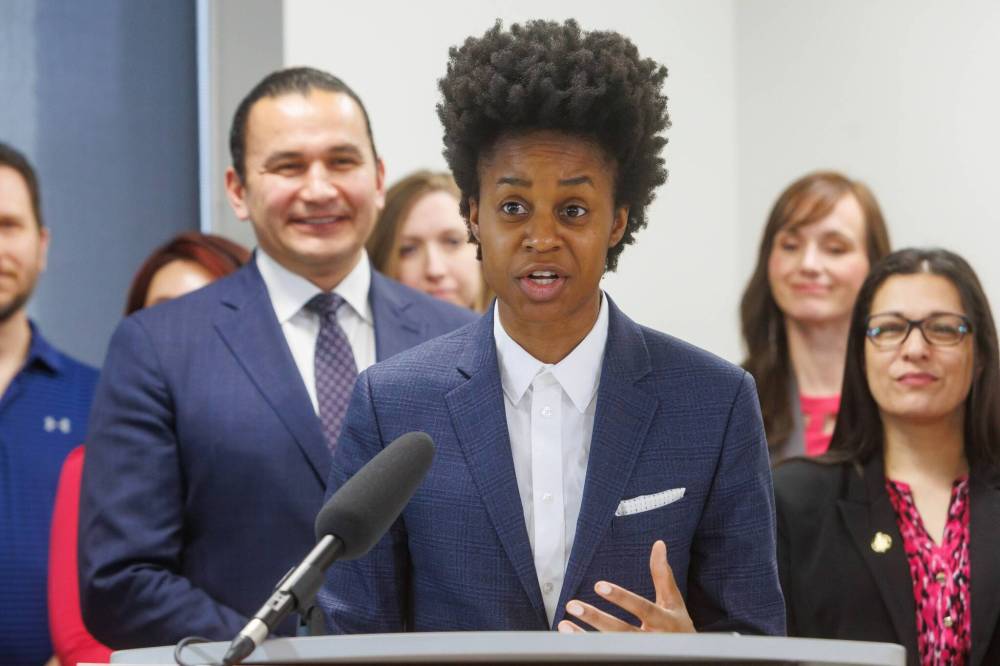
It’s a good start. Hopefully, seniors will have a little less precarity when it comes to their long-term care and comfort.
But we must remember there are always new populations aging into the “seniors” category.
They will also need our care and accommodation. The time to prepare for that is now, not later.