

Social housing improvements a must
Advertisement
Read this article for free:
or
Already have an account? Log in here »
To continue reading, please subscribe:

Digital Subscription
One year of digital access for only $205*
- Enjoy unlimited reading on winnipegfreepress.com
- Read the E-Edition, our digital replica newspaper
- Access News Break, our award-winning app
- Play interactive puzzles
*First annual payment billed as $205.00 + GST for one year. This annual subscription will automatically renew at $233.00 + GST every 52 weeks (10% off the regular annual price of $259.35). Offer available to new and qualified returning subscribers only. Cancel any time.
To continue reading, please subscribe:
Add Free Press access to your Brandon Sun subscription for only an additional
$1 for the first 4 weeks*
- Enjoy unlimited reading on winnipegfreepress.com
- Read the E-Edition, our digital replica newspaper
- Access News Break, our award-winning app
- Play interactive puzzles
*Your next Brandon Sun subscription payment will increase by $1.00 and you will be charged $17.95 plus GST for four weeks. After four weeks, your payment will increase to $24.95 plus GST every four weeks.
Read unlimited articles for free today:
or
Already have an account? Log in here »
Hey there, time traveller!
This article was published 19/08/2025 (390 days ago), so information in it may no longer be current.
The NDP government’s pledge to end chronic homelessness by 2031 is both ambitious and overdue. For a province where more than a thousand people sleep in shelters or on the streets on any given night, it is a commitment that should be applauded.
But it is also a promise that cannot be realized without a comprehensive plan, one that takes aim at the multiple factors keeping people unhoused. That includes revising rent control rules, building more social housing units, and reforming the province’s Rent Assist program, something the Canadian Centre for Policy Alternatives took aim at last week.
Manitoba has long had rent-control rules, but tenants know all too well how easily those rules can be undermined. Each year, landlords can apply for exemptions to raise rents above the guideline, and those requests are routinely granted. For someone living on a low or fixed income, an unexpected increase of even $50 or $100 a month can push them out of their home.
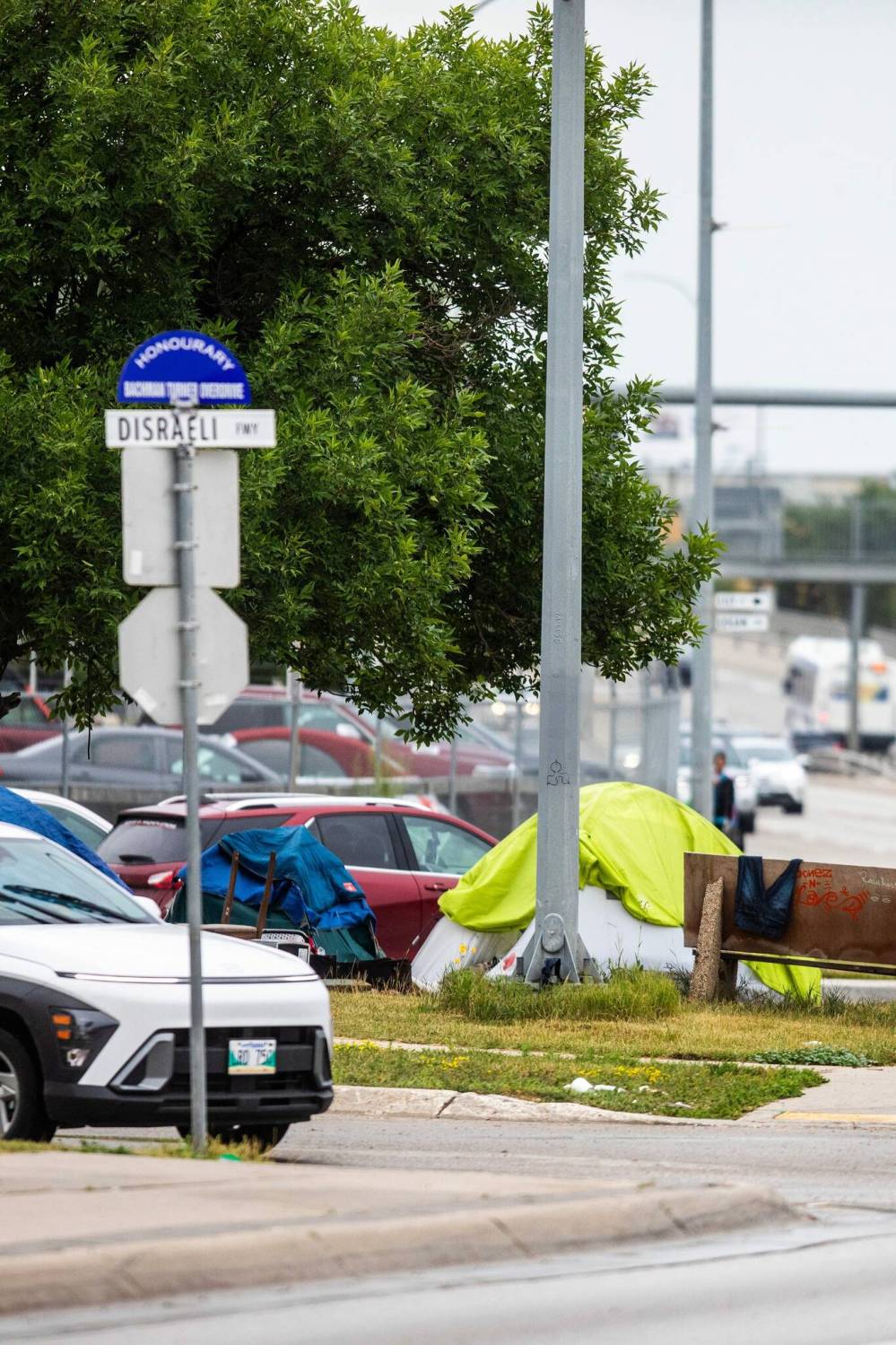
MIKAELA MACKENZIE / FREE PRESS Files
Without social housing, the cycle of shelter use, encampments and homelessness only deepens.
If the government is serious about preventing homelessness, it must strengthen protections for tenants. That does not mean ignoring the genuine costs landlords face in maintaining buildings. But it does mean closing loopholes that allow excessive rent hikes under the guise of routine upgrades. Affordable housing begins with stable rents. Without that, more Manitobans will continue to find themselves at risk.
Another pillar of the solution is social housing, an area where Manitoba has fallen badly behind. The former Progressive Conservative government sold off public housing units, shrinking the supply at a time of rising demand. Those decisions are still being felt today.
Social housing is not a luxury. It is a lifeline for people who cannot compete in the private rental market, whether because of low incomes, health issues, or systemic barriers. Without it, the cycle of shelter use, encampments, and homelessness only deepens.
The NDP government must make rebuilding Manitoba’s social housing stock a top priority. That means replacing what was lost under the PCs and building new units in the years ahead.
It will take significant public investment, but the alternative — continuing to warehouse people in shelters or leave them in tents along riverbanks — is neither humane nor fiscally responsible.
Equally important is reforming the Rent Assist program, which is supposed to help low-income Manitobans cover the cost of housing. In its current form, the program is fundamentally unfair. Thanks to changes introduced by the previous PC government, renters who receive Employment and Income Assistance get less support than other low-income renters. This two-tiered system penalizes those already living in the deepest poverty.

In a report released last week, the Canadian Centre for Policy Alternatives called for changes to the program, including ensuring that all low-income renters – whether on social assistance or not – are treated equally, so they have a better chance of remaining in their homes.
Some may balk at the price tag attached to new housing, enhanced rent supports, and stronger tenant protections. But the costs of doing nothing are already staggering.
Homelessness fuels pressure on the health-care system, emergency shelters, and police services. More importantly, it exacts an incalculable human toll on those forced to live without the security and dignity of a home.
The government’s 2031 goal sets a high bar. Meeting it will take more than political will, it will take concrete reforms and a willingness to make difficult choices. Tightening rent control rules, rebuilding social housing, and repairing Rent Assist are not optional pieces of the puzzle. They are essential.
The alternative is to watch the cycle of homelessness deepen, with more Manitobans left behind. That is not acceptable. Manitoba can, and must, do better.