Supervised consumption sites need consultation
Advertisement
Read this article for free:
or
Already have an account? Log in here »
To continue reading, please subscribe:
Monthly Digital Subscription
$0 for the first 4 weeks*
- Enjoy unlimited reading on winnipegfreepress.com
- Read the E-Edition, our digital replica newspaper
- Access News Break, our award-winning app
- Play interactive puzzles
*No charge for 4 weeks then price increases to the regular rate of $19.00 plus GST every four weeks. Offer available to new and qualified returning subscribers only. Cancel any time.
Monthly Digital Subscription
$4.75/week*
- Enjoy unlimited reading on winnipegfreepress.com
- Read the E-Edition, our digital replica newspaper
- Access News Break, our award-winning app
- Play interactive puzzles
*Billed as $19 plus GST every four weeks. Cancel any time.
To continue reading, please subscribe:
Add Free Press access to your Brandon Sun subscription for only an additional
$1 for the first 4 weeks*
*Your next subscription payment will increase by $1.00 and you will be charged $16.99 plus GST for four weeks. After four weeks, your payment will increase to $23.99 plus GST every four weeks.
Read unlimited articles for free today:
or
Already have an account? Log in here »
No neighbourhood in Winnipeg is ever going to volunteer to host a supervised consumption site.
That is the reality of harm-reduction infrastructure in any city: the need is urgent, the benefits are proven and the fears — whether grounded or not — are understandable.
The provincial government’s proposal to open Manitoba’s first supervised consumption site at 366 Henry Ave., is already generating unease among nearby businesses. But the alternative of not opening one at all is far worse. Without one, more Manitobans will die.
The business owners around Henry Avenue are not wrong to be frustrated. Learning of community consultations only days before they’re held is not meaningful engagement. Several operators say they were never notified at all.
When the province buys a building, identifies it as a preferred location and then announces a consultation window, it’s hardly surprising that some feel the process is more box-checking than listening.
Concerns about safety in the area are real, too. Henry Avenue has long struggled with theft, vandalism and social disorder. When they hear a supervised consumption site may open next door, they fear more of the same — or worse.
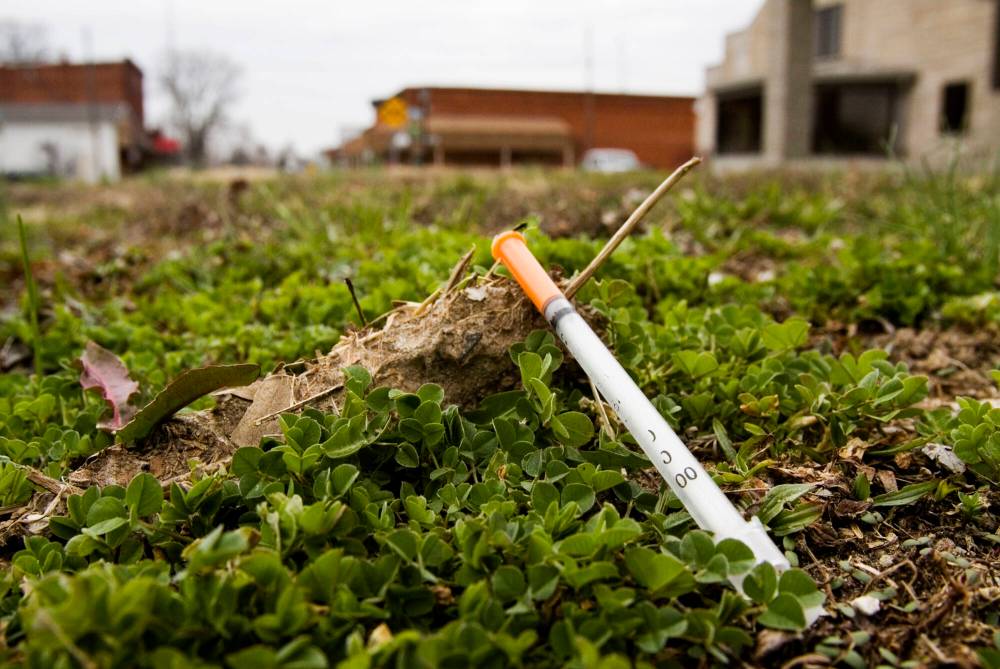
But it is also true that open drug use already occurs in the area. It occurs throughout downtown. It occurs in parks, bus shelters, alleyways and in public washrooms. That is precisely the problem a supervised consumption site is designed to address.
Supervised consumption sites are not a magnet for lawlessness. They are a controlled health-care setting where people who use drugs can do so indoors, under supervision, out of public view and within metres of staff trained to reverse overdoses.
They prevent deaths. They reduce the burden on emergency rooms. And they offer one of the few reliable pathways for people to connect with detox, treatment and housing supports — connections that rarely happen in parking lots or back alleys.
None of this means government can dismiss the concerns of people who live and work nearby. The province owes the community a transparent plan for security — one crafted in partnership with the Winnipeg Police Service, which has already signalled its intention to work closely with the centre once it opens.
Continuous monitoring of crime trends in the immediate area will be essential. So will visible, proactive policing that protects both nearby businesses and the people using the facility.
The province can help itself by committing to genuine, ongoing communication. This means hearing concerns, responding to them meaningfully and correcting issues quickly when they arise.
A supervised consumption site cannot operate effectively or safely without neighbourhood trust. That trust must be earned.

But let’s not confuse process problems with the fundamental question at hand. Winnipeg is in the middle of an overdose crisis that has already cost hundreds of lives. Harm-reduction tools that work — and work consistently in cities across Canada — should not be delayed indefinitely because a perfect location does not exist.
The former proposal at 200 Disraeli Fwy., died because of its proximity to schools and child-care centres. The Henry Avenue site meets the government’s 250-metre buffer requirement. It is in an area where people already use drugs in public and where services such as Siloam Mission and Main Street Project are close by.
From a health-care perspective, it is where people are — and where intervention can actually happen.
There will always be debate over where a supervised consumption site should go. What must not be up for debate is whether Winnipeg needs one.
It does. Lives depend on it.