

Time to plan for the next forest fire season
Advertisement
Read this article for free:
or
Already have an account? Log in here »
To continue reading, please subscribe:
Monthly Digital Subscription
$1 per week for 24 weeks*
- Enjoy unlimited reading on winnipegfreepress.com
- Read the E-Edition, our digital replica newspaper
- Access News Break, our award-winning app
- Play interactive puzzles
*Billed as $4.00 plus GST every four weeks. After 24 weeks, price increases to the regular rate of $19.95 plus GST every four weeks. Offer available to new and qualified returning subscribers only. Cancel any time.
Monthly Digital Subscription
$4.99/week*
- Enjoy unlimited reading on winnipegfreepress.com
- Read the E-Edition, our digital replica newspaper
- Access News Break, our award-winning app
- Play interactive puzzles
*Billed as $19.95 plus GST every four weeks. Cancel any time.
To continue reading, please subscribe:
Add Free Press access to your Brandon Sun subscription for only an additional
$1 for the first 4 weeks*
*Your next subscription payment will increase by $1.00 and you will be charged $16.99 plus GST for four weeks. After four weeks, your payment will increase to $23.99 plus GST every four weeks.
Read unlimited articles for free today:
or
Already have an account? Log in here »
The end of every year brings ample opportunity to reflect on the events of the previous 12 months and usually inspires one to look — and, hopefully, plan — ahead for the new year that awaits.
Preparation is essential to capitalize on opportunities and, more importantly, to minimize the negative impact of events that threaten our lives and livelihoods. Forewarned is forearmed, as the old saying goes.
All of which is to say, it is vitally important for Manitoba’s government to heed the dire warning issued earlier this month by the head of the union representing the personnel responsible for fighting the wildfires that have become a lamentably regular occurrence in this and other provinces.
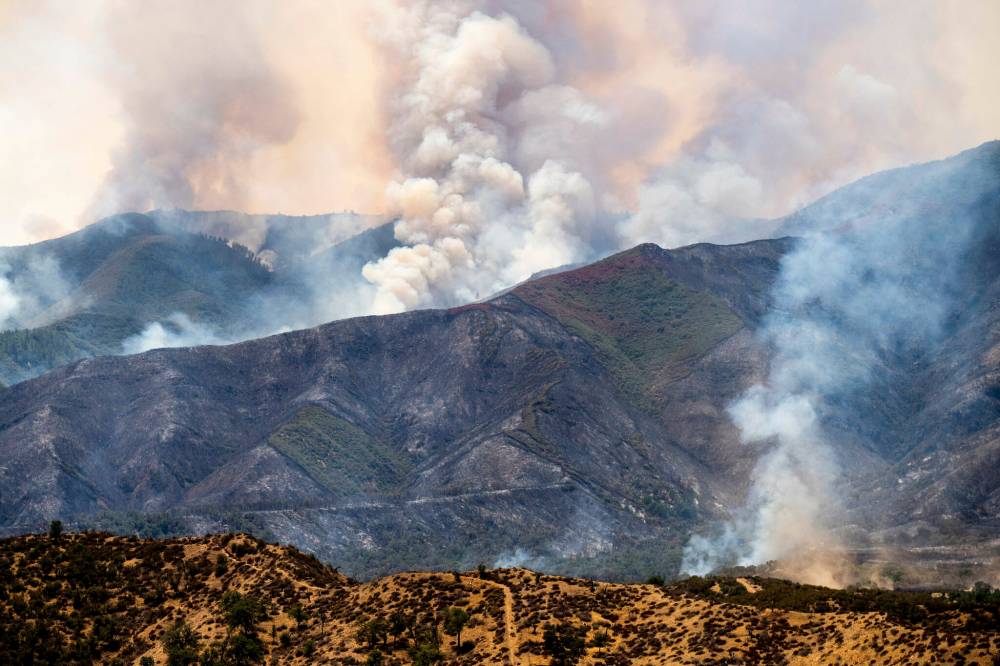
The Gifford Fire burns on Aug. 4 in Los Padres National Forest, Calif. (Noah Berger / The Associated Press files)
On Dec. 16, the president of the Manitoba Government and General Employees’ Union (MGEU) released a report titled “Burnt Out: A Workers’ Perspective from Manitoba’s 2025 Wildfire Season,” the conclusions of which should be of great concern to anyone who remembers 2025’s intensely destructive summer of flames, wind and omnipresent thick, choking smoke.
The province’s already understaffed complement of wildfire fighters could face an even more difficult challenge next year, as many fire rangers are considering leaving Manitoba in search of higher pay and more adequate resources with which to do their job.
“It’s unfortunate,” said MGEU president Kyle Ross. “We’ve invested time and money in training these workers to provide security for Manitobans and they’re considering leaving because… there’s other opportunities that are better across the country.”
The report states Manitoba’s median wage for fire rangers is the second lowest in the country at $20.13 per hour (Saskatchewan’s is lowest at a flat $20), and that wildfire fighters’ feedback after last season also identified inadequate training, poor-quality and often non-functioning equipment and a “critical” shortage of available aircraft as major hindrances in this province’s firefighting effort.
According to the report, Manitoba entered 2025’s wildfire season with 64 fewer fire rangers on staff than the province had budgeted for, creating immediate challenges in what turned out to be the worst season in three decades.
Manitoba recorded more than 440 wildfires (15 are still smouldering despite snow cover), which have consumed 2.1 million hectares and forced the evacuation of 32,000 residents.
Ross added that if the province had fully staffed its wildfire-fighting force before the onset of fire season, many of those costly evacuations might have been avoided.

Not surprisingly, the report recommends increased staffing, improved training and safety and an investment in more modern equipment and systems. Natural Resources Minister Ian Bushie would be well advised to listen to the feedback and begin immediately to prepare for what could very likely be another unprecedented wildfire season.
The minister noted staff shortages are in part a result of program cuts by the previous Progressive Conservative government. He said efforts are underway to recruit and retain firefighters, and consultations with affected communities and front-line workers are ongoing.
That’s all well and good. But the primary challenge facing this province’s wildfire effort is a lack of resources, both human and mechanized. Addressing it will require a massive financial commitment from a government already grappling with a predicted deficit more than double what was forecast in last spring’s budget.
That document allocated $50 million for wildfire fighting in 2025; the actual cost of firefighting, evacuations and other wildfire expenses from April 1 to Sept. 30 is now estimated at roughly $224 million.
Wildfires in greater numbers and magnitude are inevitable in the current climate-changed reality. Fiscally challenging though it might be, fighting them with the best resources available is the commitment required of this or any duly forewarned government.