

More for hydro rates because of drought conditions
Advertisement
Read this article for free:
or
Already have an account? Log in here »
To continue reading, please subscribe:

Digital Subscription
One year of digital access for only $205*
- Enjoy unlimited reading on winnipegfreepress.com
- Read the E-Edition, our digital replica newspaper
- Access News Break, our award-winning app
- Play interactive puzzles
*First annual payment billed as $205.00 + GST for one year. This annual subscription will automatically renew at $233.00 + GST every 52 weeks (10% off the regular annual price of $259.35). Offer available to new and qualified returning subscribers only. Cancel any time.
To continue reading, please subscribe:
Add Free Press access to your Brandon Sun subscription for only an additional
$1 for the first 4 weeks*
- Enjoy unlimited reading on winnipegfreepress.com
- Read the E-Edition, our digital replica newspaper
- Access News Break, our award-winning app
- Play interactive puzzles
*Your next Brandon Sun subscription payment will increase by $1.00 and you will be charged $17.95 plus GST for four weeks. After four weeks, your payment will increase to $24.95 plus GST every four weeks.
Read unlimited articles for free today:
or
Already have an account? Log in here »
Hey there, time traveller!
This article was published 05/01/2026 (261 days ago), so information in it may no longer be current.
Manitobans can be forgiven for being somewhat miffed that the Public Utilities Board told Manitoba Hydro to raise electricity rates more than the Crown utility had asked for in its annual rate application.
Hydro had asked for a 3.5 per cent increase for this year; the PUB countered by asking Hydro to instead bump its rates by 4 per cent.
Although the PUB is entitled to ask entities like Hydro and Manitoba Public Insurance to raise its rates by more than the amount in the application, it comes at a time when many Manitobans are concerned about the cost of living. The timing of this decision, as they say, could not have been worse.
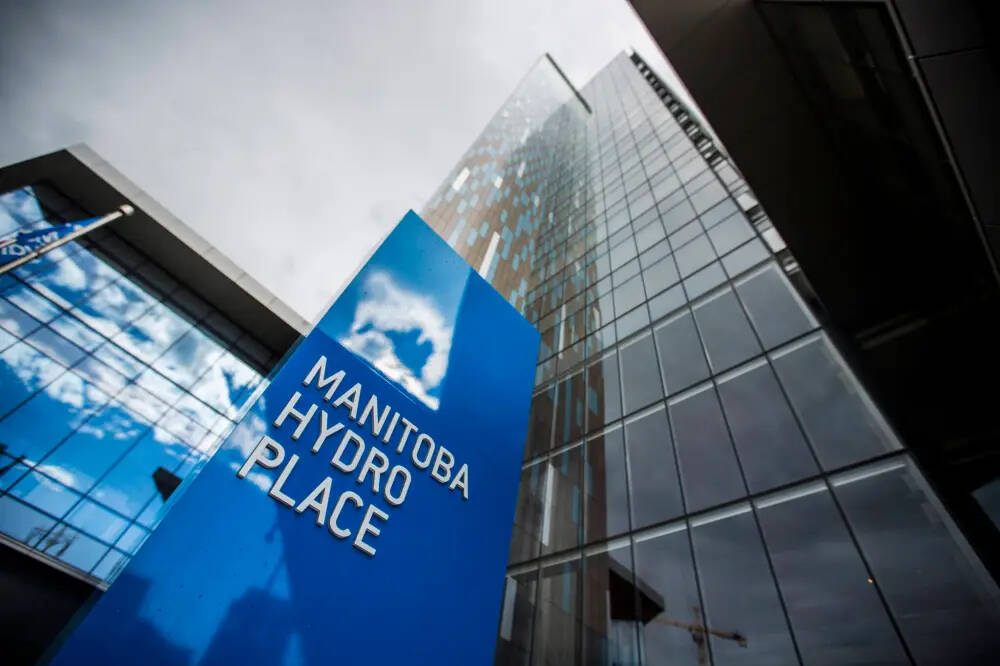
Mikaela MacKenzie/Winnipeg Free Press
Manitoba Hydro
However, before condemning the PUB, or Hydro for that matter, it is important to look at the context for the decision.
First and foremost, Hydro is facing a severe financial crisis brought on by climate-change-driven drought. Water levels in lakes and rivers are at a 112-year low. Less water means less electricity from Hydro’s generating stations, and that means less revenue from export sales to the United States.
The drought was not unexpected, but the gravity of it certainly was. After forecasting a modest profit of roughly $214 million for 2025-26, Hydro is now expected to lose $409 million. The PUB said the magnitude of the drought and financial losses meant an increase slightly higher than Hydro had asked for was “necessary to protect the financial health of the utility.”
This brings us to a second point: although the PUB is not deaf to affordability concerns, its primary goal is to make sure Hydro earns enough money to remain financially viable. The consequences of a bankrupt Hydro would be catastrophic for both electricity customers and for the provincial treasury.
That leads to context point three: although Hydro self-finances through the rates it charges for electricity and natural gas (through Centra Gas), its profits and losses are recorded in the provincial government’s summary budget along with general revenues and core program spending. This is an important thing to remember when the government reports updates on the budget deficit.
For example, Hydro’s $409-million loss played a significant role in a precipitous increase in the province’s summary budget deficit. In a second-quarter fiscal update, the NDP government reported that its deficit had increased by more than $800 million to $1.6 billion; Hydro losses were responsible for roughly half of that upsized deficit.

Given the size of Hydro’s profits and losses, it’s not hard to see how the utility’s fortunes play a disproportionate role in determining whether the provincial government reports a surplus or a deficit.
The final bit of context is perhaps the most important: even with all of the increases in recent years, Manitoba continues to enjoy the second-lowest electricity rates in the country. In general, provinces with significant hydro-electric generating capacity — Quebec, Manitoba and British Columbia — have lower rates, with Quebec having the lowest. Manitoba is consistently second lowest.
Were these recent rate hikes necessary? Various third parties that serve as Hydro watchdogs believe the utility could ease the need for rate hikes by cutting wasteful overhead. Hydro has pledged to do just that in forthcoming years.
All this context will not necessarily ease the anger of Manitobans who are weary from seeing the costs for most of the necessities of life spiral endlessly upwards. But it should clarify that the most recent rate hike is — notwithstanding concerns about operating costs — an investment in a future with cheap electricity.
Now, if it would only rain.
Related Articles
NDP still optimistic for Manitoba’s future
Advertisement Advertise With Us
Advertisement Advertise With Us
History
Updated on Friday, January 9, 2026 2:08 PM CST: Removes reference to number of times this has occurred.