

Importing an idea from the state of Utah
Advertisement
Read this article for free:
or
Already have an account? Log in here »
To continue reading, please subscribe:

Digital Subscription
One year of digital access for only $205*
- Enjoy unlimited reading on winnipegfreepress.com
- Read the E-Edition, our digital replica newspaper
- Access News Break, our award-winning app
- Play interactive puzzles
*First annual payment billed as $205.00 + GST for one year. This annual subscription will automatically renew at $233.00 + GST every 52 weeks (10% off the regular annual price of $259.35). Offer available to new and qualified returning subscribers only. Cancel any time.
To continue reading, please subscribe:
Add Free Press access to your Brandon Sun subscription for only an additional
$1 for the first 4 weeks*
- Enjoy unlimited reading on winnipegfreepress.com
- Read the E-Edition, our digital replica newspaper
- Access News Break, our award-winning app
- Play interactive puzzles
*Your next Brandon Sun subscription payment will increase by $1.00 and you will be charged $17.95 plus GST for four weeks. After four weeks, your payment will increase to $24.95 plus GST every four weeks.
Read unlimited articles for free today:
or
Already have an account? Log in here »
Hey there, time traveller!
This article was published 14/01/2026 (239 days ago), so information in it may no longer be current.
Yes, we know there are very good reasons not to import things from the United States.
Good reasons to limit purchases from, and vacation travel to, a fickle trading partner that wants to benefit from our spending, while threatening both our economy and our sovereignty.
But hopefully, that resolve doesn’t extend to good ideas, even when they come from bad neighbours.
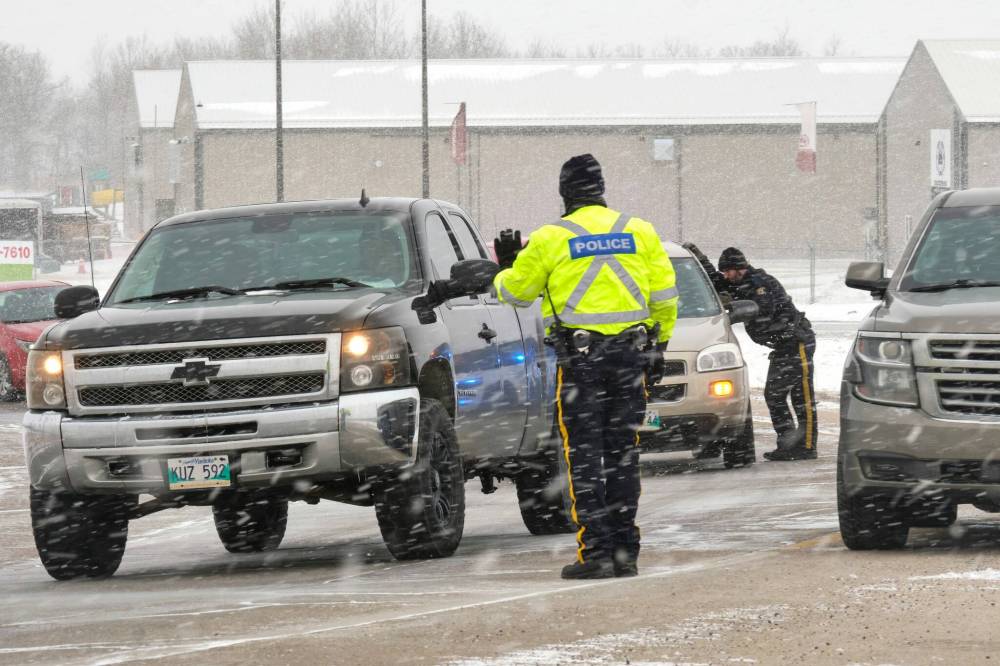
MIKE DEAL / WINNIPEG FREE PRESS
An impaired-driving checkstop.
The state of Utah already had some tough laws to curb drunk driving. The blood alcohol limit for driving under the influence, for example, is .05.
As well, people convicted of driving while impaired face a period of being deemed an alcohol-restricted driver — meaning that they cannot test positive for any amount of alcohol once they are permitted to drive again. It’s a restriction that applies not only to cars and trucks, but to boats, ATVs, other off-road vehicles, snowmobiles and even motorized scooters. (It’s a status imposed for two years — after they get their licence back — on anyone convicted of drunk driving, but can be imposed for life for more serious offences.)
But now there’s a new and even tougher impaired-driving law — HB 437 — which is aimed at drivers caught with high levels of intoxication.
As of Jan. 1, if you’re a Utah driver convicted of having a blood alcohol level of .16 or higher, a judge can order you to turn in your state ID and, for a set period of time, require you to carry a state ID that carries a prominent “No Alcohol Sale” banner.
With that ID, you can’t be served alcohol at a licensed establishment or purchase it at a liquor store.
Judges also have the ability to apply the alcohol ban to other DUI convictions, for example, in the case of repeat offenders.
The law also requires an ID check for anyone buying alcohol in the state of Utah to establish that they aren’t banned from making alcohol purchases.
Could a similar law be put in place in Manitoba? State laws and provincial laws are different, and criminal penalties in Canada come under the federal government’s purview. And, as with most laws, how a no-drinking penalty might fit with the Canadian Charter of Rights and Freedoms would have to be considered. (Though last time we looked, there was no enshrined right to buy and drink alcohol.)
Then, there’s the larger question: Will ever-greater penalties end impaired driving?
No.

Like all impaired-driving laws, it won’t stop everyone from driving drunk. The sad truth is there is no fully effective way to keep people from driving while impaired, except maybe for incarceration. And incarceration can’t be the solution for everything.
People who are legally banned from buying alcohol themselves will still, no doubt, be able to coerce or cajole friends or even family to buy alcohol for them, even though that sort of purchase will leave the buyers open to legal liability.
But every impaired driver who can be kept off the road — particularly drivers who are repeat offenders or who are so grossly intoxicated that there should be absolutely no doubt that they are completely unfit to be behind the wheel — is one less driver who can kill or injure other innocent drivers.
And for those who drink and get behind the wheel despite the clear dangers, maybe the role of governments and the criminal justice system has to be to remove not only the steering wheel from their hands, but to the greatest extent possible, alcohol as well.
Those who insist on making bad and dangerous choices should perhaps not be allowed the opportunity to make those choices.