

Proactive planning for a future with more seniors
Advertisement
Read this article for free:
or
Already have an account? Log in here »
To continue reading, please subscribe:
Digital Subscription
One year of digital access for only $1.44 a week*
- Enjoy unlimited reading on winnipegfreepress.com
- Read the E-Edition, our digital replica newspaper
- Access News Break, our award-winning app
- Play interactive puzzles
*Billed as $5.77 plus GST every four weeks. After 52 weeks, price increases to the regular rate of $19.95 plus GST every four weeks. Offer available to new and qualified returning subscribers only. Cancel any time.
To continue reading, please subscribe:
Add Free Press access to your Brandon Sun subscription for only an additional
$1 for the first 4 weeks*
- Enjoy unlimited reading on winnipegfreepress.com
- Read the E-Edition, our digital replica newspaper
- Access News Break, our award-winning app
- Play interactive puzzles
*Your next Brandon Sun subscription payment will increase by $1.00 and you will be charged $17.95 plus GST for four weeks. After four weeks, your payment will increase to $24.95 plus GST every four weeks.
Read unlimited articles for free today:
or
Already have an account? Log in here »
Hey there, time traveller!
This article was published 19/03/2026 (218 days ago), so information in it may no longer be current.
They’re supposed to be “the golden years.”
But for many Manitobans in the ever-expanding 65-plus age bracket, life is anything but a warm and gentle journey toward a tranquil, glowing sunset. Instead, the day-to-day and week-to-week existence of many seniors — most notably those of limited means who live alone and do not have the benefit of ongoing family support — is a never-ending series of challenges and compromises in which such necessities of life as food, shelter, safety and access to health care are anything but guaranteed.
As outlined in a recent Free Press report, low-income seniors (according to federal government figures, those whose annual income is less than $22,488) account for nearly 14 per cent of Manitoba’s low-income earners. And that number is expected to grow significantly as the province’s population continues to age.
Winnipeg Free Press files
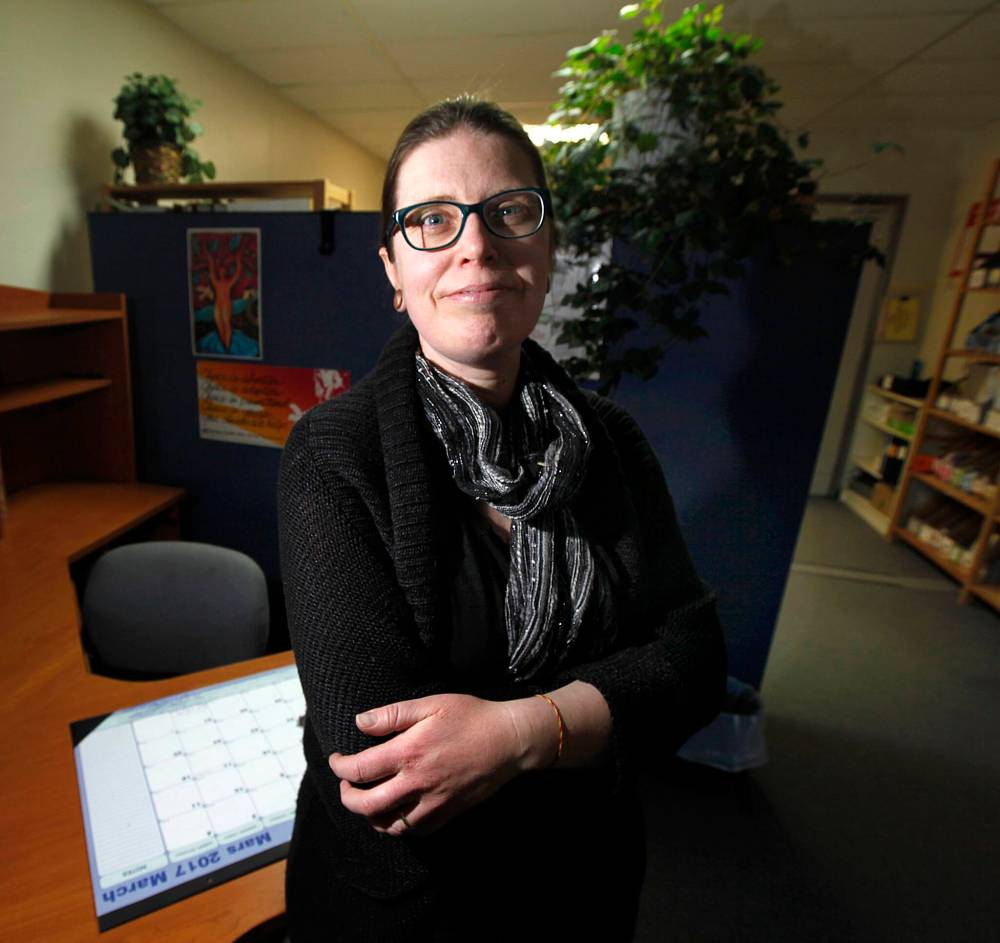
Manitoba Seniors’ Advocate Leigh Anne Caron
Living in poverty reduces opportunities for social interaction; isolation breeds loneliness and can negatively affect the physical, mental and emotional health of those who experience it. Without adequate supports and an understanding of how to access them, seniors living at or below the poverty line can find themselves in a self-perpetuating cycle of despair.
One might be inclined to describe it as an invisible epidemic.
“Low-income renters are less likely to be able to age in place, or to age well in place,” says University of Manitoba sociology professor Laura Funk says. “Those with physical or mental challenges, or who live in unsafe housing, tend to be more isolated … and so we don’t often see what they’re going through.
“This is made that much more worse by our public tendency to subtly blame or shame people for using limited public resources, while praising others who are independent of services.”
Funk also observed that the continual erosion of public services over the past several decades has disproportionately impacted low-income seniors and their families.
So what is to be done? That’s a question the current Manitoba government —and every one that is elected to follow it — will be forced to confront with increasing urgency. The demographics of the province are such that the aging population, and the at-need cohort that resides within it, is only going to increase over time.
Current projections suggest the number of Manitobans aged 55 and older will reach 520,000 by 2041 — a 30 per cent increase in the span of just two decades.

One positive development is the establishment in Manitoba of the office of the seniors’ advocate — a role created in the wake of critical failures in personal care homes during the pandemic. Advocate Leigh Anne Caron assumed the position last November and will focus on both individual complaints filed by seniors and broader systemic issues.
It’s a noteworthy and necessary reactive response, but what’s more important moving forward is a proactive gameplan by government to address the demographic challenges that await. The cost/benefit calculation is fairly straightforward; helping seniors to remain healthy and independent increases the quality of their lives while at the same time easing the burden on an already overwhelmed health-care system.
With budgets perpetually strained and needs in other, higher-profile portfolios also demanding ever-bigger shares of limited resources, the danger is very real that the needs of seniors who lack the ability and/or energy to speak up will remain unmet as louder voices command the lion’s share of government’s attention.
That shouldn’t be the case.
Expecting them to be golden might be too much to ask, but it’s incumbent on Manitoba to make these senior years as comfortable, dignified and supported as possible.