

Serious crimes and surprisingly short sentences
Advertisement
Read this article for free:
or
Already have an account? Log in here »
To continue reading, please subscribe:

Digital Subscription
One year of digital access for only $205*
- Enjoy unlimited reading on winnipegfreepress.com
- Read the E-Edition, our digital replica newspaper
- Access News Break, our award-winning app
- Play interactive puzzles
*First annual payment billed as $205.00 + GST for one year. This annual subscription will automatically renew at $233.00 + GST every 52 weeks (10% off the regular annual price of $259.35). Offer available to new and qualified returning subscribers only. Cancel any time.
To continue reading, please subscribe:
Add Free Press access to your Brandon Sun subscription for only an additional
$1 for the first 4 weeks*
- Enjoy unlimited reading on winnipegfreepress.com
- Read the E-Edition, our digital replica newspaper
- Access News Break, our award-winning app
- Play interactive puzzles
*Your next Brandon Sun subscription payment will increase by $1.00 and you will be charged $17.95 plus GST for four weeks. After four weeks, your payment will increase to $24.95 plus GST every four weeks.
Read unlimited articles for free today:
or
Already have an account? Log in here »
Last Friday, a former Winnipeg man, Kevin Charles Queau, pleaded guilty to the manslaughter of Crystal Saunders in Winnipeg in 2007.
Queau had been charged with second degree murder in the slaying, and will be sentenced this week; for the manslaughter charge, the Crown and defence are expected to jointly recommend 12 years in prison, which, on the face of this, seems short.
Saunders was strangled and beaten, but the case went cold until Queau’s DNA was collected in an unrelated sexual assault, and RCMP launched what is called a Mr. Big investigation.
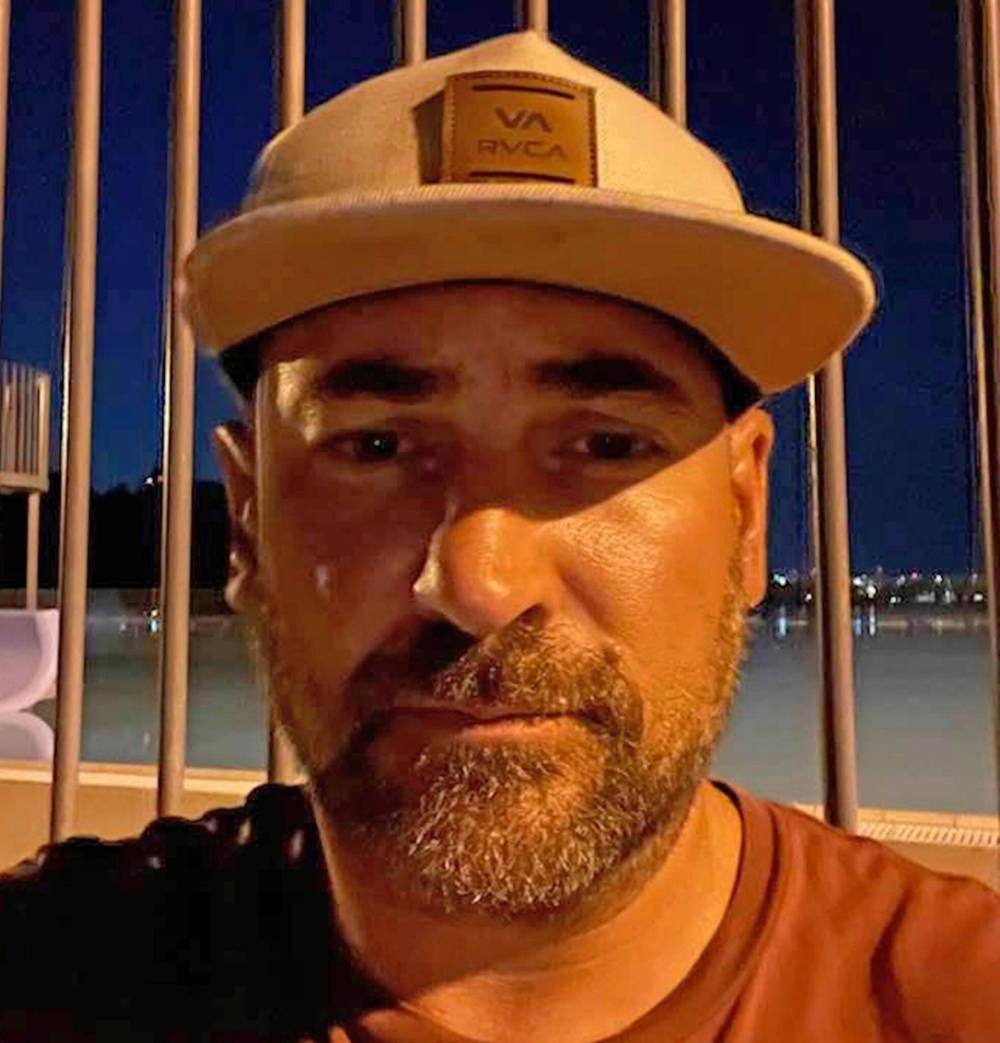
FILE
Kevin Charles Queau, 42, of Vancouver
There are a lot of moving pieces to a Mr. Big scheme, and they don’t always work out as planned. They are something of a last resort, long-running undercover operations designed to coerce suspects to unwittingly confess to police masquerading as criminals.
Suspects work their way through a series of steps, joining what they think is a criminal organization, but is actually undercover police officers. The suspect is given increasing duties and responsibilities in the gang, before eventually meeting the Big Boss, who requires total honesty about past crimes — causing the suspect to confess crimes.
The undercover operations can run for months, even years.
But they’re not without controversy.
In a crucial Supreme Court of Canada case in 2014, Her Majesty the Queen versus Nelson Lloyd Hart, the court ruled that simply getting a confession by any means wasn’t acceptable.
“The Mr. Big technique is a Canadian invention. … (B)y 2008, it had been used by police across Canada more than 350 times. The technique, used only in cases involving serious unsolved crimes, has secured confessions and convictions in hundreds of cases. The confessions wrought by the technique are often detailed and confirmed by other evidence,” the court wrote.
But that doesn’t mean the method is not without problems, the court continued; “However, the Mr. Big technique comes at a price. Suspects confess to Mr. Big during pointed interrogations in the face of powerful inducements and sometimes veiled threats — and this raises the spectre of unreliable confessions. Unreliable confessions provide compelling evidence of guilt and present a clear and straightforward path to conviction. In other contexts, they have been responsible for wrongful convictions — a fact we cannot ignore.”

“Mr. Big operations also run the risk of becoming abusive. Undercover officers provide their targets with inducements, including cash rewards, to encourage them to confess. They also cultivate an aura of violence by showing that those who betray the criminal organization are met with violence. There is a risk these operations may become coercive. Thought must be given to the kinds of police tactics we, as a society, are prepared to condone in pursuit of the truth,” the court wrote.
In the Hart case, the Supreme Court decided to reverse the onus on future confessions obtained by the Mr. Big approach — instead of ruling such confessions to immediately be admissible evidence, the court ruled they should be inadmissible in court unless prosecutors could demonstrate it was fairly obtained: “The question for the trial judge is whether and to what extent the reliability of the confession has been called into doubt by the circumstances in which it was made.”
And that means obtaining a confession is only the beginning of the legal process. The confession may be tested in court and be blocked from use — unless the accused decides to plead guilty to a lesser charge, allowing the strength of any confession not to be tested in court..
Which is why Mr. Big cases — though they can catch killers and provide closure in long-running cold cases — sometimes end with sentences that seem surprisingly short.
Because a lesser conviction is worth more than the risk of no conviction at all.