

Irrational Accords demand threatens Iran deal
Advertisement
Read this article for free:
or
Already have an account? Log in here »
To continue reading, please subscribe:
Digital Subscription
One year of digital access for only $1.44 a week*
- Enjoy unlimited reading on winnipegfreepress.com
- Read the E-Edition, our digital replica newspaper
- Access News Break, our award-winning app
- Play interactive puzzles
*Billed as $5.77 plus GST every four weeks. After 52 weeks, price increases to the regular rate of $19.95 plus GST every four weeks. Offer available to new and qualified returning subscribers only. Cancel any time.
To continue reading, please subscribe:
Add Free Press access to your Brandon Sun subscription for only an additional
$1 for the first 4 weeks*
- Enjoy unlimited reading on winnipegfreepress.com
- Read the E-Edition, our digital replica newspaper
- Access News Break, our award-winning app
- Play interactive puzzles
*Your next Brandon Sun subscription payment will increase by $1.00 and you will be charged $17.95 plus GST for four weeks. After four weeks, your payment will increase to $24.95 plus GST every four weeks.
Read unlimited articles for free today:
or
Already have an account? Log in here »
All parents go through moments with their children when, upon being told what they should not do and why they should not do it, the children do that thing anyway.
It’s a maddening but largely harmless phenomenon for parents. But when it’s played out in geopolitics, it has the potential to be truly destructive.
United States President Donald Trump has been repeatedly counselled to end the war with Iran. The conflict has jacked oil prices and crippled economies with another unwanted surge in inflation. It’s so unpopular, it’s hurting Republicans up for mid-term re-election.
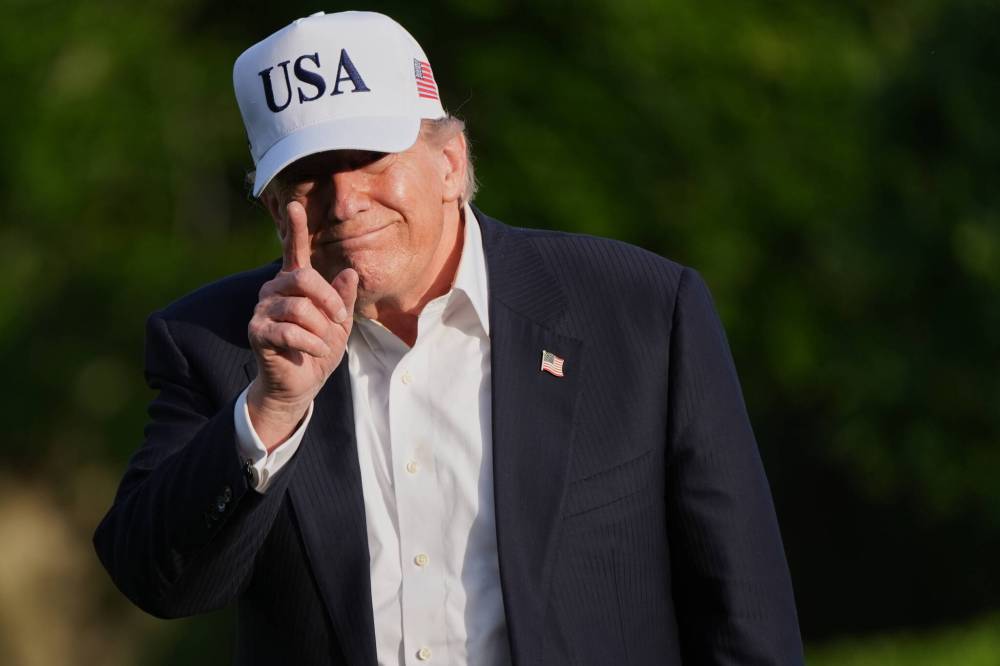
AP Photo/Jacquelyn Martin
U.S. President Donald Trump.
The people who support Trump want him to end this war but inexplicably, Trump continues to stoke the conflict, even though it violates a solemn promise he made to steer clear of wars in foreign lands.
Trump’s latest sign of obstinance is a demand that, as part of a broader nonaggression agreement, six non-combatant countries across the Middle East and South Asia would have to agree to join what has become known as the Abraham Accords.
In September 2020, just prior to the November election in which he was defeated by Joe Biden, Trump held a signing ceremony on the White House lawn for a set of agreements to establish diplomatic relations between Israel, Bahrain and the United Arab Emirates. Morocco signed on shortly thereafter. It was Trump’s effort to create more lasting peace across the region.
Trump and his acolytes trumpeted the Abraham Accords as a major peace agreement, and there were some practical dividends for the countries that signed on.
The accords allowed Israelis to travel to signatory countries from which they had been previously prohibited. They also allowed signatory countries to engage in commerce and trade with Israel.
Since the accords were first signed, few other countries have taken the plunge.
This week, Trump insisted that other countries — Egypt, Jordan, Turkey, Saudi Arabia, Qatar and Pakistan — must sign the accords before he would agree to a peace deal with Iran. This stipulation — a diplomatic non-sequitur — has sparked widespread confusion and concern. Or, as a headline in The New York Times described it, “The Mideast is baffled by Trump’s call to expand the Abraham Accords.”
The bafflement begins with the fact half the countries he named this week (Egypt, Jordan and Turkey) already have full diplomatic and economic relations with Israel. The remaining three countries have expressed no interest in signing the accords, with their own stipulations that no broader agreement can be reached without Israel’s agreement to create and recognize an independent Palestinian state.
Which, given simmering hostilities between Israel and Palestine, is quite unlikely.
Notwithstanding the noble core principles of the accords, Trump’s sudden and unexplained requirement that other countries sign on before a formal ceasefire in Iran can be established is a selfish and destructive act of hubris that has left the most recent non-aggression pact once again on the edge of collapse.

A new “draft memorandum” has been forged by negotiators that covers broad parameters around the future of Iran’s nuclear program, economic sanctions and a formal end to the war.
Even with this process unfolding, there have been isolated skirmishes between the two countries.
Peace in the region still seems a long way off, as does a real and meaningful ceasefire in Lebanon. Well-meaning diplomats from all sides seem to want this deal but every time they get close, Trump makes inflammatory comments on social media or interjects with another irrational demand.
This is no way to establish peace in the Middle East.
Unfortunately, it appears that ongoing hostilities is exactly — but irrationally — what Trump wants.