

The logic of saving for a rainy day
Advertisement
Read this article for free:
or
Already have an account? Log in here »
To continue reading, please subscribe:
Digital Subscription
One year of digital access for only $1.44 a week*
- Enjoy unlimited reading on winnipegfreepress.com
- Read the E-Edition, our digital replica newspaper
- Access News Break, our award-winning app
- Play interactive puzzles
*Billed as $5.77 plus GST every four weeks. After 52 weeks, price increases to the regular rate of $19.95 plus GST every four weeks. Offer available to new and qualified returning subscribers only. Cancel any time.
To continue reading, please subscribe:
Add Free Press access to your Brandon Sun subscription for only an additional
$1 for the first 4 weeks*
- Enjoy unlimited reading on winnipegfreepress.com
- Read the E-Edition, our digital replica newspaper
- Access News Break, our award-winning app
- Play interactive puzzles
*Your next Brandon Sun subscription payment will increase by $1.00 and you will be charged $17.95 plus GST for four weeks. After four weeks, your payment will increase to $24.95 plus GST every four weeks.
Read unlimited articles for free today:
or
Already have an account? Log in here »
We get it. It’s hard to be responsible, and it’s hard to pinch pennies when there’s so much pressure on your wallet.
But it’s something that anyone from an accountant to your bank will tell you is part of the cost of home ownership.
It’s a rainy day fund, preparing for major costs that you’re likely to incur at some point in the future. Your hot water heater fails, your roof leaks, your furnace or air conditioning packs it in. All are major expenses, and you have to have enough financial flexibility to handle the hit.
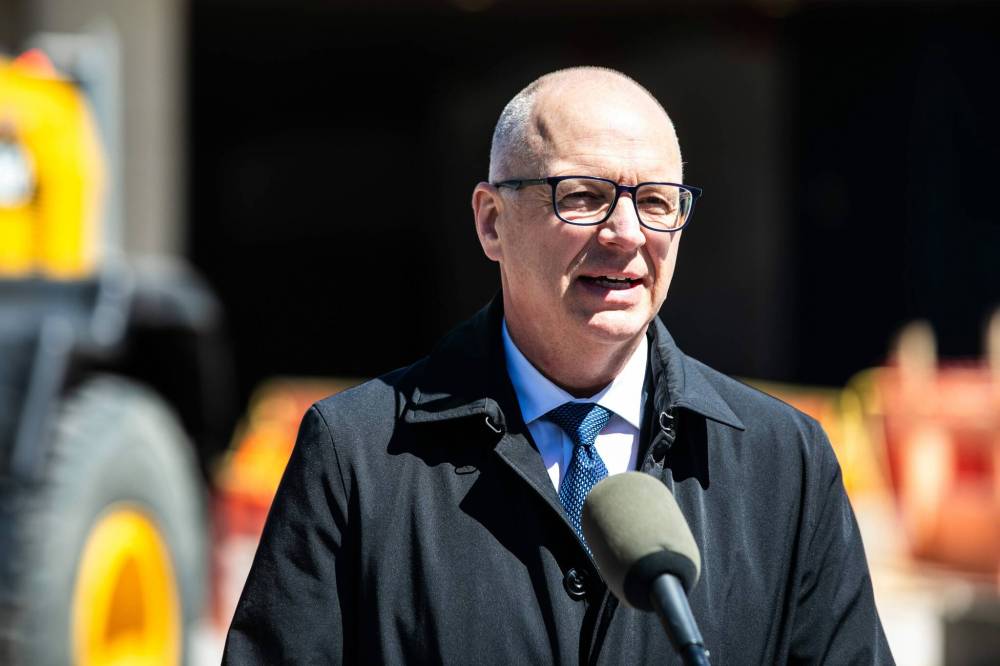
MIKAELA MACKENZIE / FREE PRESS
Winnipeg Mayor Scott Gillingham
As much as you might want to dip into those funds for that trip to Cancun that looks like a February necessity, you have to be strict with yourself so you don’t face big costs you simply can’t pay.
How much? Well, the industry standard is one per cent to three per cent of the cost of your home, tucked away safely every year. (The older your home, the higher the amount you should put aside.)
So, a $250,000 home purchase? Budget to bank a minimum of $2,500 a year for eventualities and nasty surprises. Even as much as $7,500, if you’re cautious.
It’s just part of the cost of being a homeowner.
But it’s not just home costs: to deal with other crises, such as losing your job or your car needing major repairs, experts recommend building up an emergency fund equal to three to six months of your total expenses. It’s a nest egg you build for your own financial safety, and you don’t dip into it for ordinary expenses.
But what if you’re a big city with a significantly aging infrastructure? What if your major costs are a 100-year-old bridge suddenly failing a safety inspection, a trunk sewer bursting and spilling into an urban river, or a major project going massively over budget for the third or fourth time?
Welcome to Winnipeg.
Winnipeg’s got a rainy day fund, too. It’s called the financial stabilization reserve, and the minimum amount the city has to keep in the fund is six per cent of the city’s annual tax-supported operating expenses. In 2025, that number was $85 million.
But it’s hard to look at that pot of money and not think “We could just use that now …”
And that sort of thinking is going on — the city is now examining whether it should reduce the minimum amount it keeps in the fund.
“One of the advantages I could see (of reducing the minimum target) is that it would take some of the pressure off the City of Winnipeg to make sure we have a balance of over $85 million to $90 million in a … ‘just in case’ fund. It would free up some of those funds … (for) enhancing service delivery,” Mayor Scott Gillingham said last week.

Tempting, for sure.
But an election year is not the time to plan a Cancun trip, extra paving, or anything else that drains the emergency reserve. It’s a necessary buffer, one that keeps unexpected extra costs from showing up on your tax bill in a big hurry.
So here’s a suggestion: instead of doing anything with the money just now, why not give voters a chance to weigh in on the process?
After all, Mayor Gillingham has said the fund played a pivotal role in helping the city weather the implications of the COVID-19 crisis, when many of the city’s financial sources dried up but the costs of operating the city kept rolling in.
Campaign on the concept, explain to voters why you’re comfortable with rolling the dice on the roof not leaking this year — but let’s not rob Peter to potentially pork-barrel Paul.