

More mayoral candidates would mean more ideas
Advertisement
Read this article for free:
or
Already have an account? Log in here »
To continue reading, please subscribe:

Digital Subscription
One year of digital access for only $205*
- Enjoy unlimited reading on winnipegfreepress.com
- Read the E-Edition, our digital replica newspaper
- Access News Break, our award-winning app
- Play interactive puzzles
*First annual payment billed as $205.00 + GST for one year. This annual subscription will automatically renew at $233.00 + GST every 52 weeks (10% off the regular annual price of $259.35). Offer available to new and qualified returning subscribers only. Cancel any time.
To continue reading, please subscribe:
Add Free Press access to your Brandon Sun subscription for only an additional
$1 for the first 4 weeks*
- Enjoy unlimited reading on winnipegfreepress.com
- Read the E-Edition, our digital replica newspaper
- Access News Break, our award-winning app
- Play interactive puzzles
*Your next Brandon Sun subscription payment will increase by $1.00 and you will be charged $17.95 plus GST for four weeks. After four weeks, your payment will increase to $24.95 plus GST every four weeks.
Read unlimited articles for free today:
or
Already have an account? Log in here »
The absence of a competitive race for Winnipeg mayor is shaping up as one of the biggest disappointments of this year’s civic election.
Incumbent Scott Gillingham remains the clear favourite to win a second term. That, by itself, is hardly unusual. Winnipeg has a long history of re-electing mayors.
Incumbency carries enormous advantages in municipal politics, from name recognition to an established fundraising network. Unless a serious challenger emerges, history suggests Gillingham is well positioned to remain in office.
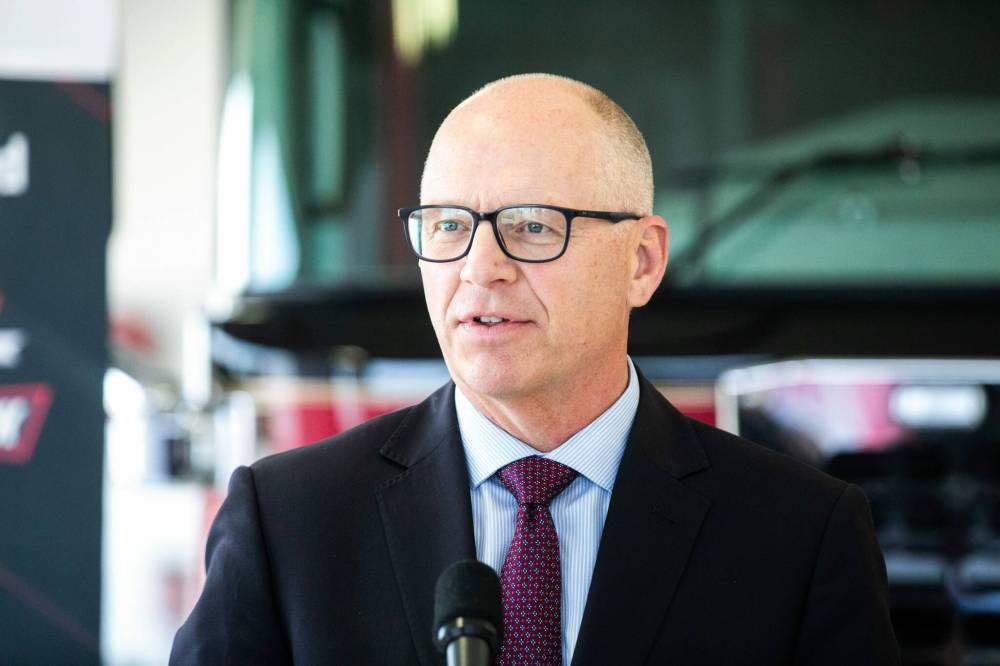
MIKAELA MACKENZIE / FREE PRESS
Winnipeg Mayor Scott Gillingham
But elections are about more than determining a winner. They are an opportunity to debate ideas, challenge assumptions and force difficult conversations about a city’s future. That is where the apparent lack of a high-profile challenger becomes a problem.
Four months before voters head to the polls, only Don Woodstock has been actively campaigning. Gillingham has yet to make a major campaign announcement, a strategy that is understandable given the current political landscape. Why spend political capital early when there is little pressure to do so?
That is precisely why competitive elections matter.
Strong challengers force incumbents to sharpen their platforms, defend their records and explain how they intend to tackle problems that have proven stubbornly resistant to easy solutions.
Without that pressure, campaigns risk becoming exercises in political maintenance rather than meaningful public debate.
Perhaps most notable is the absence of a candidate backed by organized labour.
Labour has often played a significant role in Winnipeg civic politics, either by endorsing candidates directly or lending organizational strength to campaigns.
Such candidates have traditionally raised issues that might otherwise receive less attention, from affordable housing and transit funding to public services and worker protections. Whether voters ultimately embrace those ideas is beside the point. The discussion itself strengthens democracy.
This year, that perspective appears largely absent from the mayoral contest.
That is unfortunate, because Winnipeg faces no shortage of issues demanding serious public discussion.
Homelessness continues to strain neighbourhoods and public resources. Addiction and untreated mental illness remain visible on downtown streets.
Public safety remains a persistent concern. Roads, bridges and other infrastructure continue to deteriorate faster than taxpayers can afford to repair them. Transit faces financial pressures while struggling to regain rider confidence.
None of these problems will be solved by campaign slogans. They require difficult choices, long-term planning and honest conversations about priorities and costs.
A vigorous mayoral race would provide an ideal forum for those conversations.
Instead, much of the campaign risks unfolding with relatively little public scrutiny until the final weeks before election day.
There is, however, one encouraging development.
At least four veteran councillors — Markus Chambers, Brian Mayes, John Orlikow and Janice Lukes — have announced they will not seek re-election. Their departures represent a significant loss of experience and institutional knowledge. Each has played an important role in shaping council over many years.
Yet turnover also creates opportunity.
Open seats invite new candidates with fresh perspectives, different priorities and innovative approaches to long-standing challenges. Healthy renewal is essential for any democratic institution.

That renewal at the council table will be welcome.
Still, it cannot fully compensate for the lack of a competitive mayoral contest.
The mayor sets the tone at city hall, builds consensus among councillors and serves as the public face of Winnipeg. The campaign for that office should be the focal point of civic debate.
Winnipeg deserves an election that matches the seriousness of the challenges before it. Even if the incumbent ultimately prevails, voters benefit when candidates vigorously compete for their support and put competing ideas before the public.
Democracy works best when victory must be earned, not simply expected.
Related Articles
Rollins becomes fifth councillor to bow out of fall election
Advertisement Advertise With Us
Advertisement Advertise With Us