

A small step among troubling signs
Advertisement
Read this article for free:
or
Already have an account? Log in here »
To continue reading, please subscribe:

Digital Subscription
One year of digital access for only $205*
- Enjoy unlimited reading on winnipegfreepress.com
- Read the E-Edition, our digital replica newspaper
- Access News Break, our award-winning app
- Play interactive puzzles
*First annual payment billed as $205.00 + GST for one year. This annual subscription will automatically renew at $233.00 + GST every 52 weeks (10% off the regular annual price of $259.35). Offer available to new and qualified returning subscribers only. Cancel any time.
To continue reading, please subscribe:
Add Free Press access to your Brandon Sun subscription for only an additional
$1 for the first 4 weeks*
- Enjoy unlimited reading on winnipegfreepress.com
- Read the E-Edition, our digital replica newspaper
- Access News Break, our award-winning app
- Play interactive puzzles
*Your next Brandon Sun subscription payment will increase by $1.00 and you will be charged $17.95 plus GST for four weeks. After four weeks, your payment will increase to $24.95 plus GST every four weeks.
Read unlimited articles for free today:
or
Already have an account? Log in here »
There’s no getting around the fact — to many people, downtown Winnipeg is unsafe. Period.
Despite its many attractions — from NHL hockey to concerts and performances at venues large and small, from galleries and boutiques to fine restaurants and nightlife — Winnipeg’s core also reveals this city’s most visible and unsettling social problem.
Hundreds of Winnipeg’s marginalized people congregate in the city centre because that’s where the social services agencies and charitable organizations offering support are located. Many in this group are homeless, many also dealing with mental-health issues that can include addictions to alcohol and various illegal drugs.
MIKE DEAL / FREE PRESS
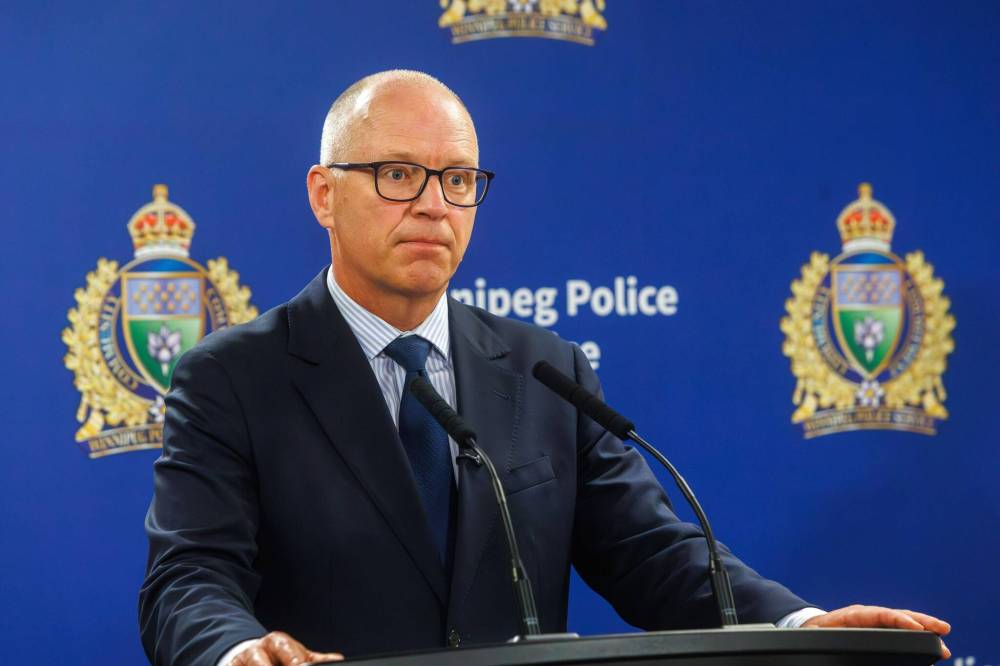
Winnipeg Mayor Scott Gillingham
With this community comes all the attendant issues — from petty vandalism to violence, drug dealing, break-ins and more. Public intoxication, people passed out or sleeping on sidewalks and in doorways. The use of toxic street drugs leads to overdoses or unpredictable behaviour, including aggression and physical violence.
At the broadest level, these issues and circumstances won’t be resolved in a year, or two, or even a decade. In the here and now, various support agencies, community initiatives and all levels of government — balancing innumerable and often competing obligations and responsibilities — try to manage the situation.
Some of the resultant initiatives are “big picture” schemes aimed at achieving measurable results, such as the provincial government’s Your Way Home program, which aims to rehouse 350 people living in encampments by October 2027. (Homeless Minister Bernadette Smith reported this week that 249 people have so far been housed).
Some are short-term directives meant to reassure the public.
A few weeks ago, the Winnipeg Police Service conducted a 10-day, zero-tolerance drug crackdown in the downtown core, Point Douglas and along a portion of Portage Avenue, prompted by frequent and open use of illegal drugs in the area. It was applauded because something had to done — but criticized by others because of the way it was done. (The resultant report has yet to be revealed to the public.)
More recently, Winnipeg Mayor Scott Gillingham announced a downtown safety initiative called the Performing Arts Wayfinder Program.
Gillingham’s office is providing $100,000 to fund two additional staff members of the Downtown Safety Partnership. Beginning in September and running through June 2027, they will patrol the area around arts venues in the East Exchange and offer safe walks to performers and patrons attending performances or rehearsals of the Royal Manitoba Theatre Centre, Royal Winnipeg Ballet, Manitoba Opera and Winnipeg Symphony Orchestra.
Gillingham said the move is a response to concerns raised by WSO musicians, staff and patrons, among others, who say they have had to deal with a litany of safety concerns in recent years while simply going about the business of their jobs or the pleasure of going to an evening show.
Realistically, adding two new members to a safety patrol will hardly solve the problems of Winnipeg’s core area. At first blush, the move felt, as Coun. Sherri Rollins said, like a Band-Aid solution to a complex situation.

However, if the mayor’s wayfinder program will convince concerned arts patrons to keep coming downtown, then it’s worth the relatively small investment.
As shop owners and restaurateurs around the Exchange District have said this week, the fact the Fringe Festival has brought thousands of people downtown and created a hive of activity in the area has made everyone in the neighbourhood feel just that little bit safer.
And therein lies the rub — people are reluctant to come downtown until it feels safer and downtown won’t feel safer until more people come downtown to work, live and play.
The wayfinder program is a welcome, if small, addition to the many steps being taken in this direction.
In the meantime, the heavy work of lifting people out of poverty, addiction and homelessness must continue — or the city’s slide will continue as well.