

Ramifications of the high cost of pet care
Advertisement
Read this article for free:
or
Already have an account? Log in here »
To continue reading, please subscribe:

Digital Subscription
One year of digital access for only $205*
- Enjoy unlimited reading on winnipegfreepress.com
- Read the E-Edition, our digital replica newspaper
- Access News Break, our award-winning app
- Play interactive puzzles
*First annual payment billed as $205.00 + GST for one year. This annual subscription will automatically renew at $233.00 + GST every 52 weeks (10% off the regular annual price of $259.35). Offer available to new and qualified returning subscribers only. Cancel any time.
To continue reading, please subscribe:
Add Free Press access to your Brandon Sun subscription for only an additional
$1 for the first 4 weeks*
- Enjoy unlimited reading on winnipegfreepress.com
- Read the E-Edition, our digital replica newspaper
- Access News Break, our award-winning app
- Play interactive puzzles
*Your next Brandon Sun subscription payment will increase by $1.00 and you will be charged $17.95 plus GST for four weeks. After four weeks, your payment will increase to $24.95 plus GST every four weeks.
Read unlimited articles for free today:
or
Already have an account? Log in here »
They are widely considered to be, as the timeless adage reminds, our best friends. In most cases and contexts, there’s almost nothing we wouldn’t do to ensure they’re safe, healthy and happy.
But caring for a pet has become decidedly more complicated and burdensome of late, owing in part to the rising cost of the veterinary care that is now an inevitable element of the pet-ownership experience.
Recent reporting shows a sharp increase in the number of pets being surrendered to animal shelters as a result of their owners’ inability to cover the costs of veterinary bills while dealing with the overall increase in the cost of living.
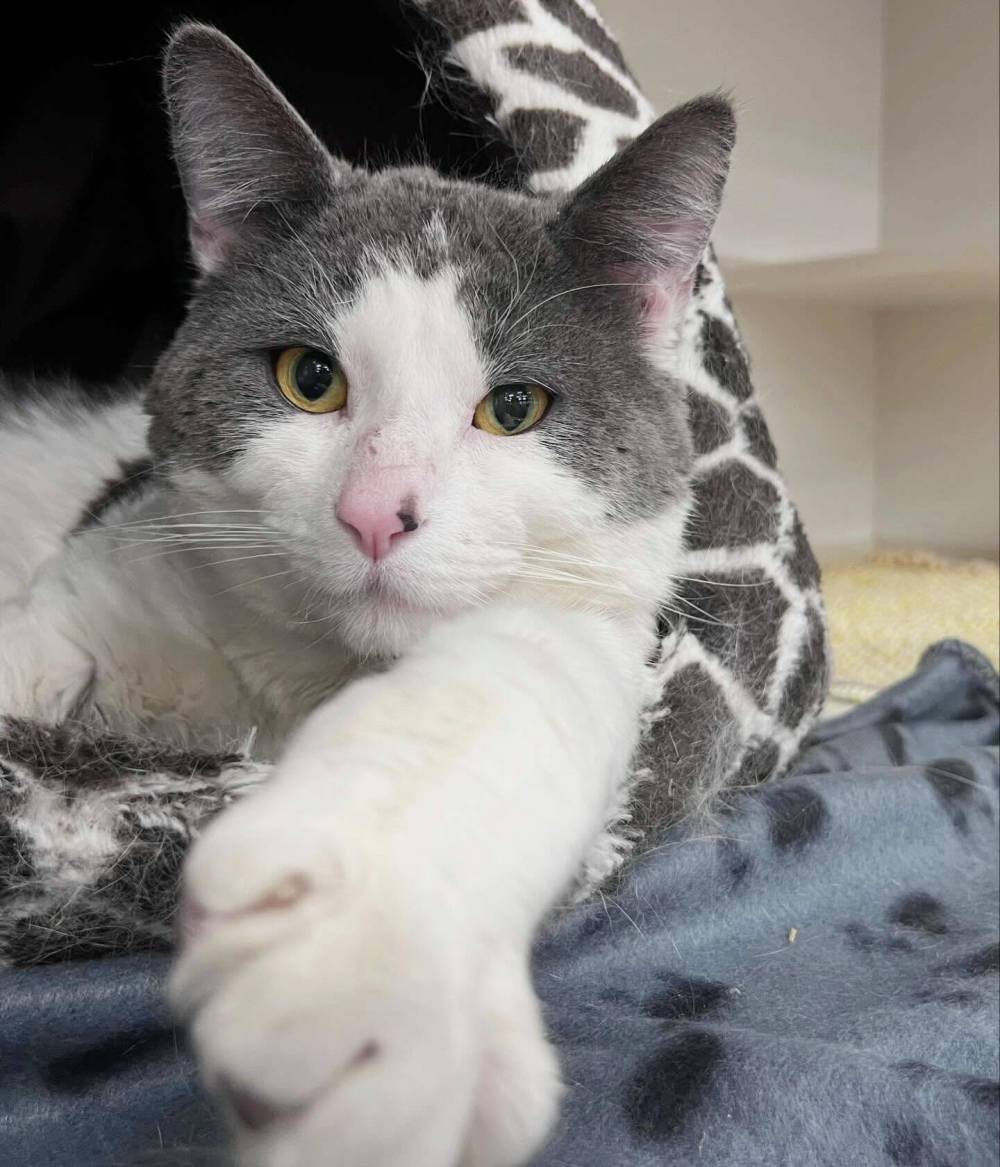
File
Veterinary costs are rising.
A spokesperson for the Winnipeg Humane Society said 150 animals were surrendered there in July alone, primarily because their owners could not afford vet care. The Winnipeg Pet Rescue Shelter reports at least 200 pets surrendered this year by owners who cited finances as the reason for their difficult decision.
“We’ve seen it more this year than any other year,” said WPRS director Carla Matinellie-Irvine. “I think it’s a tragic shame. I think it’s hard for the animals and, in many cases, it’s devastating for the family.”
It’s reasonable to assume the costs associated with delivery of veterinary medical services have increased along with the price of pretty much everything else these days, and that the overall cost of living has forced some pet owners to make difficult choices when unanticipated vet bills push household expenses beyond the budgetary breaking point.
But one can’t help wondering if there are other factors involved in the recent pet-surrender trendline.
Specifically, the observation by some veterinary industry observers that the “corporatization” of animal hospitals and veterinary clinics — in other words, the massive buy-up in recent years of local independent vet practices by huge multinational corporations backed by private equity — has led to an environment in which the pricing and priorities of veterinary service providers are increasingly driven by a focus on maximizing bottom-line profits.
As recently as 2010, nearly all veterinary clinics in Canada were independently owned; in most cases, the facility you visited was owned by the vet(s) who practiced there. During the dozen years that followed, large corporations began quietly buying up clinics and hospitals; a study published last year by the Canadian Veterinary Journal suggested more than 20 per cent of vet clinics and more than half of all specialty or emergency hospitals in Canada are now owned by six large corporations.
And because of the relatively quiet manner in which the acquisitions have been performed, pet owners are very likely to be unaware their neighbourhood vet practice is now owned by a conglomerate.

The corporatization of vet services has allowed for economy-of-scale upgrades of equipment and services, but the focus on profitability has also created upward pressure on pricing throughout the industry.
In the current environment, with uncertainty and instability swirling in most of our financial orbits, the onus is on current and aspiring pet owners to educate themselves about the responsibilities and financial obligations that accompany a four-legged or feathery friend. It’s also worthwhile to shop around for the best, most appropriate and most affordable veterinary care.
The cost of pet ownership is considerable, particularly when sudden or age-related changes in animals’ circumstances make more frequent and complex veterinary care necessary.
It’s often said you can’t put a price on what a beloved pet adds to our quality of life, but the profit-driven corporations that play an ever-growing role in the provision of veterinary services can, and do, put a hefty price on what it takes to keep those pets healthy and happy.
It’s a price you now have to budget for before bringing a new friend home.