

‘Please excuse us from writing these notes …’
Advertisement
Read this article for free:
or
Already have an account? Log in here »
To continue reading, please subscribe:

Digital Subscription
One year of digital access for only $205*
- Enjoy unlimited reading on winnipegfreepress.com
- Read the E-Edition, our digital replica newspaper
- Access News Break, our award-winning app
- Play interactive puzzles
*First annual payment billed as $205.00 + GST for one year. This annual subscription will automatically renew at $233.00 + GST every 52 weeks (10% off the regular annual price of $259.35). Offer available to new and qualified returning subscribers only. Cancel any time.
To continue reading, please subscribe:
Add Free Press access to your Brandon Sun subscription for only an additional
$1 for the first 4 weeks*
- Enjoy unlimited reading on winnipegfreepress.com
- Read the E-Edition, our digital replica newspaper
- Access News Break, our award-winning app
- Play interactive puzzles
*Your next Brandon Sun subscription payment will increase by $1.00 and you will be charged $17.95 plus GST for four weeks. After four weeks, your payment will increase to $24.95 plus GST every four weeks.
Read unlimited articles for free today:
or
Already have an account? Log in here »
It’s a common-sense prescription for the health-care system. The only wonder is that it took so long to happen.
On Oct. 1, new provincial legislation came into effect that will stop employers from requiring employees to get a sick note from a physician unless the employee has been absent for more than a week or has called in sick 10 or more times in a calendar year.
And the legislation could have a big effect.
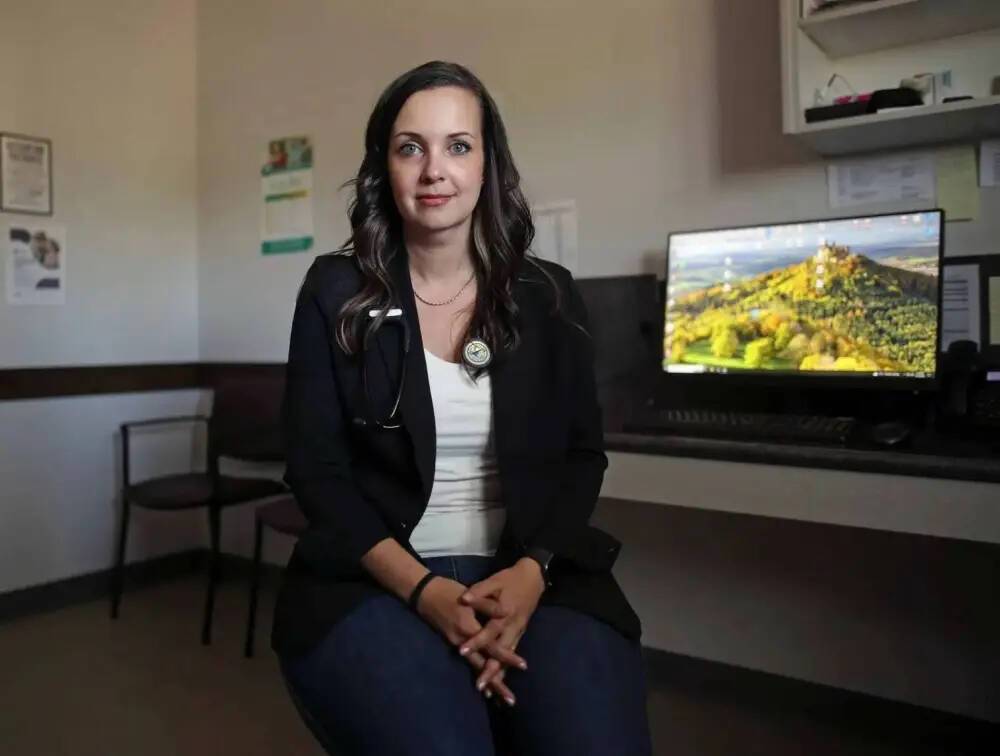
Doctors Manitoba has calculated that its members write over 600,000 sick notes every year — a process that costs the provincial health-care system approximately $8 million annually. And the effort doesn’t even help sick workers get better: one-third of sick notes are written for patients who don’t even have symptoms anymore, making them little more than a comfortable fiction. To put it simply, doctors have to trust that a symptom-less patient was sick and write a note saying they were ill, in order to satisfy an employer who doesn’t share that same level of trust.
Doctors shouldn’t end up being a cog in someone else’s flawed human resources issues.
Doctors Manitoba said last year that ending the practice would free up space for an additional 300,000 patient visits every year, let alone cancelling out part of the voluminous paperwork that burdens doctors on top of everything else.
“What may be a small change in the labour code can be a big step forward on improving access to medical care for all Manitobans and using our health care resources wisely,” Doctors Manitoba board chair Dr. Nichelle Desilets said during a Sept. 29 news conference.
Yes, yes, yes, and yes.
Think about it another way, perhaps in light of the health of the community — if a worker still has symptoms or is still infectious with a simple cold, flu or stomach ailment, why would you want to send them to the close quarters of a doctor’s waiting room?
For most common illnesses, a doctor won’t be able to prescribe more than the basics: get rest, drink lots of fluids, etc. All they really can do is write that all-important note.
Meanwhile, everyone who is in the waiting room for whatever reason — right on down to cancer patients and the immunocompromised waiting for something as simple as a regular checkup — runs the risk of getting whatever it is that you have.
And who among us hasn’t felt that they might have picked something new up while waiting for a regular doctor’s appointment? Heck, as you sit in the examining room and talk to your doctor, you might well be exposing a much-needed medical professional to a common illness that could take them out of commission for a few days, too.
All for a signed note that is more workplace theatre than useful tool.

Are there issues that employers have to deal with when it comes to perennially-absent employees who seem to catch every single thing going and take more time than everyone else to recover? Of course. If you know anyone in management, you’ll also know they can cite regular, egregious abuse of sick leave by someone they manage.
But requiring doctors’ notes for every illness is just a tiring hoop for everyone to jump through — and a solution to nothing.
There’s a lot of common sense involved with how we should deal with the common illnesses that trip us up on and off throughout the year.
There’s also a lot of common sense involved in how we should treat adults in the workplace — and how we should use the valuable time that a stressed health care system has little enough of.
The provincial government has made the right move here.