

Musk’s meddlesome trolling
Advertisement
Read this article for free:
or
Already have an account? Log in here »
To continue reading, please subscribe:

Digital Subscription
One year of digital access for only $205*
- Enjoy unlimited reading on winnipegfreepress.com
- Read the E-Edition, our digital replica newspaper
- Access News Break, our award-winning app
- Play interactive puzzles
*First annual payment billed as $205.00 + GST for one year. This annual subscription will automatically renew at $233.00 + GST every 52 weeks (10% off the regular annual price of $259.35). Offer available to new and qualified returning subscribers only. Cancel any time.
To continue reading, please subscribe:
Add Free Press access to your Brandon Sun subscription for only an additional
$1 for the first 4 weeks*
- Enjoy unlimited reading on winnipegfreepress.com
- Read the E-Edition, our digital replica newspaper
- Access News Break, our award-winning app
- Play interactive puzzles
*Your next Brandon Sun subscription payment will increase by $1.00 and you will be charged $17.95 plus GST for four weeks. After four weeks, your payment will increase to $24.95 plus GST every four weeks.
Read unlimited articles for free today:
or
Already have an account? Log in here »
It seems obvious the world’s first trillionaire thought he was helping separatists within the Canadian federation when he encouraged three provinces — Alberta, Saskatchewan and Quebec — to leave Canada.
Unfortunately for Elon Musk, a man suffering from a profound deficit of self-awareness, his comments may only help those who want to keep the country together.
Musk entered the national unity debate on Wednesday, two days after the pro-independence Parti Quebecois was returned to power in Quebec with a minority mandate. The PQ has promised to hold a third referendum on separation at some point in its current term.
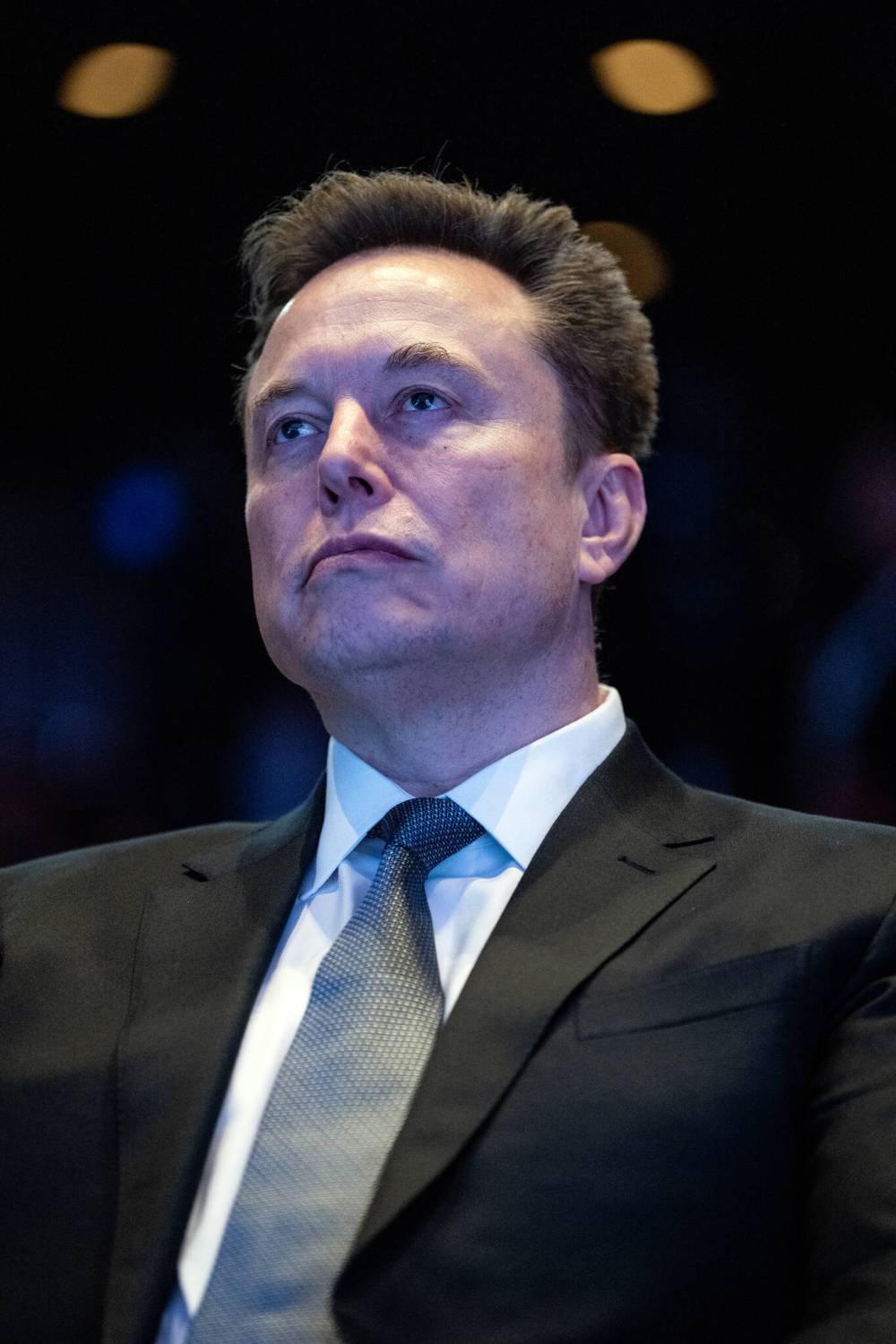
The New York Times
Elon Musk
Musk — who has a Canadian mother and attended university in Ontario — took to X, the social media platform formerly known as Twitter (which he owns) and encouraged Quebec to forge ahead with plans to separate. He said Alberta — which will hold a vote this fall on whether to hold a binding referendum on separation — and Saskatchewan should follow suit.
Musk did not provide much evidence to support his advice, suggesting only that Quebec would be “better off.”
Why would Musk make this intrusion into Canadian politics?
Is he actually interested in the fate of the three provinces he mentioned, or did he wake up on Wednesday morning and realize nobody was talking about him and it was time to send up another incendiary flare? Either way, Musk seems patently unaware that in the current political environment, his endorsement is not worth very much.
Musk’s close association with U.S President Donald Trump, and his flirtations with far-right white nationalists, has already alienated mainstream Americans, inflicted material pain on his companies and made him a feared and loathed character in many contexts.
Not surprisingly, Canadian political leaders universally denounced Musk’s comments.
Saskatchewan Premier Scott Moe responded on X with a simple “No.” Alberta Premier Danielle Smith also criticized Musk and suggested that she believes the best option for her province is “a strong Alberta within a united Canada.”
Prime Minister Mark Carney, who has built a commanding lead in support by standing up to Trump and his acolytes, warned the tech mogul he has no role to play in Canada’s future.
“The future of Canada will be decided by Canadians,” Carney told reporters during a news conference in Quebec.
In short, there is a much greater chance that Musk — an unpopular man who seems wedded to Trump, an even more unpopular man, especially in Canada — will have helped the forces that seek to defeat any independence referendum in this country.

Even so, Canadians are entitled to be concerned about how one of the world’s best-known men is trying to interfere in Canadian politics. Musk’s efforts are, as some commentators have pointed out, tantamount to foreign interference in our electoral process.
It is also somewhat concerning that Musk would suggest a province could be better off if it separated. Although it is hard to definitively predict the impacts of separation, all available and legitimate economic modelling suggests it is a very bad idea.
Various studies have been produced on the prospects of Alberta separation. Save for one produced by the campaign promoting Alberta independence, all the models predict decades of economic shrinkage, job and wage losses and fiscal uncertainty.
Those studies suggest Musk is not just being meddlesome, he’s also lying to the provinces he is trying to encourage to leave.
It is much more likely at this point that federalists in all three provinces will be quick to point out that separation is an idea that Elon Musk loves. And right now, for many Albertans, that may be enough to convince them to vote for a united Canada.