

Stats validate our need to end our history of violence
Advertisement
Read this article for free:
or
Already have an account? Log in here »
To continue reading, please subscribe:
Monthly Digital Subscription
$1 per week for 24 weeks*
- Enjoy unlimited reading on winnipegfreepress.com
- Read the E-Edition, our digital replica newspaper
- Access News Break, our award-winning app
- Play interactive puzzles
*Billed as $4.00 plus GST every four weeks. After 24 weeks, price increases to the regular rate of $19.95 plus GST every four weeks. Offer available to new and qualified returning subscribers only. Cancel any time.
Monthly Digital Subscription
$4.99/week*
- Enjoy unlimited reading on winnipegfreepress.com
- Read the E-Edition, our digital replica newspaper
- Access News Break, our award-winning app
- Play interactive puzzles
*Billed as $19.95 plus GST every four weeks. Cancel any time.
To continue reading, please subscribe:
Add Free Press access to your Brandon Sun subscription for only an additional
$1 for the first 4 weeks*
*Your next subscription payment will increase by $1.00 and you will be charged $16.99 plus GST for four weeks. After four weeks, your payment will increase to $23.99 plus GST every four weeks.
Read unlimited articles for free today:
or
Already have an account? Log in here »
Hey there, time traveller!
This article was published 26/11/2015 (3769 days ago), so information in it may no longer be current.
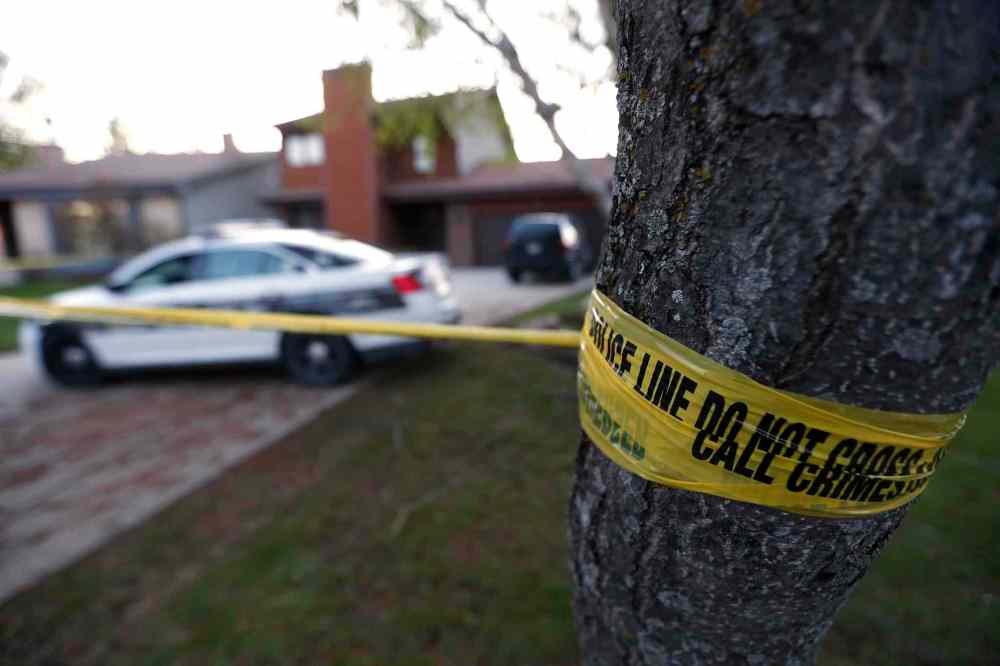
Homicide is not a significant statistic in Canada. Last year, 516 homicides accounted for just 0.2 per cent of deaths in Canada and 0.1 per cent of all police-reported crime, Statistics Canada reports.
There is always a risk, therefore, in drawing broad conclusions or headlines proclaiming Manitoba as the murder capital among the provinces, which it is again this year.
Small numbers normally do not make for big conclusions.
This year is different, however.
That’s because for the first time Statistics Canada studied the connection between aboriginal people and homicide. In the past, breaking down crime by ethnic or national background was considered either unnecessary — a victim is a victim — or politically incorrect, a throwback to the time when newspapers reported homicides by ethnic background.
Indigenous people made up 23 per cent of the 516 homicide victims in the country in 2014, or six times higher than non-aboriginal people, even though they represent only about five per cent of the population. For the most part, they are both the victims and perpetrators.
The national stats are somewhat misleading because they do not consider that some areas of the country have relatively few indigenous people, while others, particularly the Prairie provinces, have a much higher percentage.
In Manitoba, for example, aboriginal people were victims of homicide at a rate nine times the national average, with a homicide rate of 13.28 per 100,000 people.
Homicide statistics tell a story, but not the whole story. Aboriginal Peoples, for example, are disproportionately represented on every indicator of social, personal and physical dysfunction.
They make up the largest single group in prisons and jails, on the welfare and unemployment rolls, in homeless shelters and in hospitals.
This anti-social behaviour, as everyone knows or ought to know, is rooted in a history of abuse, discrimination, neglect, betrayal and poverty that drove aboriginal cultures underground and nearly out of existence. The saga of residential schools is the darkest story in Canadian history.
The reaction so far has been fairly predictable. Governments and the community need to do more on programs such as restorative justice, housing, addictions counselling, job training and anti-racism programs, as well as re-evaluate their relationships with aboriginal people.

The results of the Statistics Canada survey may not be surprising, but that does not mean they aren’t useful. On the contrary, they support and reinforce research the RCMP and others have done on missing and murdered aboriginal women.
The agency is also better equipped and trained to analyze the numbers and draw valid conclusions.
The data also show aboriginal men are victims of homicide at an alarming rate, a fact that has been overlooked in the discussion about female victims. The aboriginal male experience should form part of the Liberal government’s planned inquiry into the problem of missing and murdered women.
Generally, homicide victims are killed by people they know. Aboriginal victims tend to have a higher history of family violence.
The inquiry has yet to set its mandate or terms of reference, but this kind of raw data will help in understanding the nature of the violence. It validates the need for further study and, hopefully, the formulation of strategies for a way out of the bloodshed.
Related Articles
Homicide rate of aboriginal people highest in Manitoba
Advertisement Advertise With Us
Advertisement Advertise With Us
History
Updated on Monday, November 30, 2015 12:08 PM CST: Updated
Updated on Thursday, December 3, 2015 3:42 PM CST: Clarifies of the aboriginal victims, 20.5 per cent were women and 23.5 per cent men.
Updated on Friday, December 4, 2015 9:29 AM CST: Removes line about aboriginal victims