

B.C. drug exemption a model for other provinces
Advertisement
Read this article for free:
or
Already have an account? Log in here »
To continue reading, please subscribe:

Digital Subscription
One year of digital access for only $205*
- Enjoy unlimited reading on winnipegfreepress.com
- Read the E-Edition, our digital replica newspaper
- Access News Break, our award-winning app
- Play interactive puzzles
*First annual payment billed as $205.00 + GST for one year. This annual subscription will automatically renew at $233.00 + GST every 52 weeks (10% off the regular annual price of $259.35). Offer available to new and qualified returning subscribers only. Cancel any time.
To continue reading, please subscribe:
Add Free Press access to your Brandon Sun subscription for only an additional
$1 for the first 4 weeks*
- Enjoy unlimited reading on winnipegfreepress.com
- Read the E-Edition, our digital replica newspaper
- Access News Break, our award-winning app
- Play interactive puzzles
*Your next Brandon Sun subscription payment will increase by $1.00 and you will be charged $17.95 plus GST for four weeks. After four weeks, your payment will increase to $24.95 plus GST every four weeks.
Read unlimited articles for free today:
or
Already have an account? Log in here »
Hey there, time traveller!
This article was published 13/06/2022 (1555 days ago), so information in it may no longer be current.
Last month, British Columbia became the first province to decriminalize small amounts of illicit drugs, in an attempt to quell a growing surge of overdose deaths. It’s a legislative shift that focuses on harm reduction instead of punitive justice, and one that could make a real difference for people experiencing addiction. Unfortunately, Manitoba has no plans to follow suit.
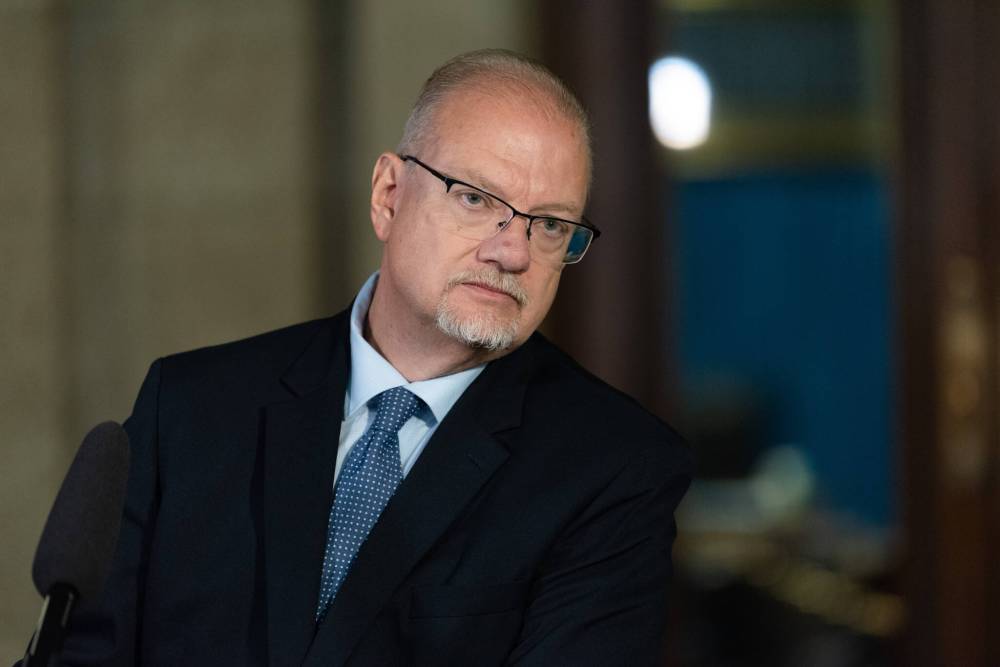
Speaking to reporters, Justice Minister Kelvin Goertzen said the province is focused instead on stemming the flow of illegal drugs and providing support for recovery. This stance is disappointing, but not at all surprising from a government that has been staunchly opposed to other programs, such as safe injection sites, that aim to make drug use safer.
The federal exemption for B.C. — which allows residents over 18 to possess a cumulative 2.5 grams of opioids, cocaine, methamphetamine and MDMA — frames addiction as a health issue rather than a justice issue. Decriminalization is part of a larger project to improve mental health and addiction services in a province that has been experiencing an overdose crisis since 2016.
For harm-reduction advocates, B.C.’s three-year exemption from the Controlled Drugs and Substances Act is a step in the right direction, but it doesn’t go far enough. Critics have called for higher possession thresholds, regulated supply to address toxicity and a national approach to decriminalization.
“An incremental piecemeal approach is not the way to respond to a national crisis,” said Courtenay-Alberni MP Gord Johns, the NDP addictions and mental health critic.
There have been more than 26,000 opioid toxicity deaths in Canada since 2016, with a 95 per cent increase having occurred amid the pandemic. Last year, approximately 20 Canadians died per day from opioid-related overdoses. Addiction knows no borders, and Manitoba isn’t immune to preventable deaths.
Last year, 407 Manitobans died of overdoses, more than double the province’s historical average of 200 deaths. Yet, the matter doesn’t appear pressing for provincial politicians. Based on the aforementioned data, staying the course — as Mr. Goertzen has suggested — means more people will die. Addiction shouldn’t be a death sentence.
Manitoba needs a new approach to addiction services, and a shot of urgency. There are few residential drug programs in the province and the piecemeal system can be difficult to navigate for those seeking treatment.

In 2019, some clients were waiting as long as seven months to access in-patient services. A lot of bad can happen in seven months for someone dealing with a daily drug habit. Over the last three years, the provincial government has only added 100 new recovery treatment beds — a drop in the bucket compared to the scope of the issue.
While Manitoba remains opposed to decriminalizing and destigmatizing personal drug use, perhaps change can be made at the municipal level.
B.C.’s exemption has opened the door for other jurisdictions to jump on the bandwagon. Vancouver and Toronto have both applied for their own possession exemptions, and Montreal’s public-health director has expressed interest in decriminalization.
The topic has already been broached at Winnipeg’s city hall by Coun. Sherri Rollins, who has reintroduced a motion to decriminalize small amounts of illegal drugs within city limits after a similar motion ended in a tie vote in February.
Decriminalization isn’t the sole solution for a complex health issue, but it is a supportive tool. Until Canada addresses addiction, treatment and prevention nationally, it will be up to individual provinces, cities and politicians to do right by the citizens whose lives are most directly at risk.