

Canada’s latest Timbuktu
Advertisement
Read this article for free:
or
Already have an account? Log in here »
To continue reading, please subscribe:

Digital Subscription
One year of digital access for only $205*
- Enjoy unlimited reading on winnipegfreepress.com
- Read the E-Edition, our digital replica newspaper
- Access News Break, our award-winning app
- Play interactive puzzles
*First annual payment billed as $205.00 + GST for one year. This annual subscription will automatically renew at $233.00 + GST every 52 weeks (10% off the regular annual price of $259.35). Offer available to new and qualified returning subscribers only. Cancel any time.
To continue reading, please subscribe:
Add Free Press access to your Brandon Sun subscription for only an additional
$1 for the first 4 weeks*
- Enjoy unlimited reading on winnipegfreepress.com
- Read the E-Edition, our digital replica newspaper
- Access News Break, our award-winning app
- Play interactive puzzles
*Your next Brandon Sun subscription payment will increase by $1.00 and you will be charged $17.95 plus GST for four weeks. After four weeks, your payment will increase to $24.95 plus GST every four weeks.
Read unlimited articles for free today:
or
Already have an account? Log in here »
Hey there, time traveller!
This article was published 03/01/2013 (4981 days ago), so information in it may no longer be current.
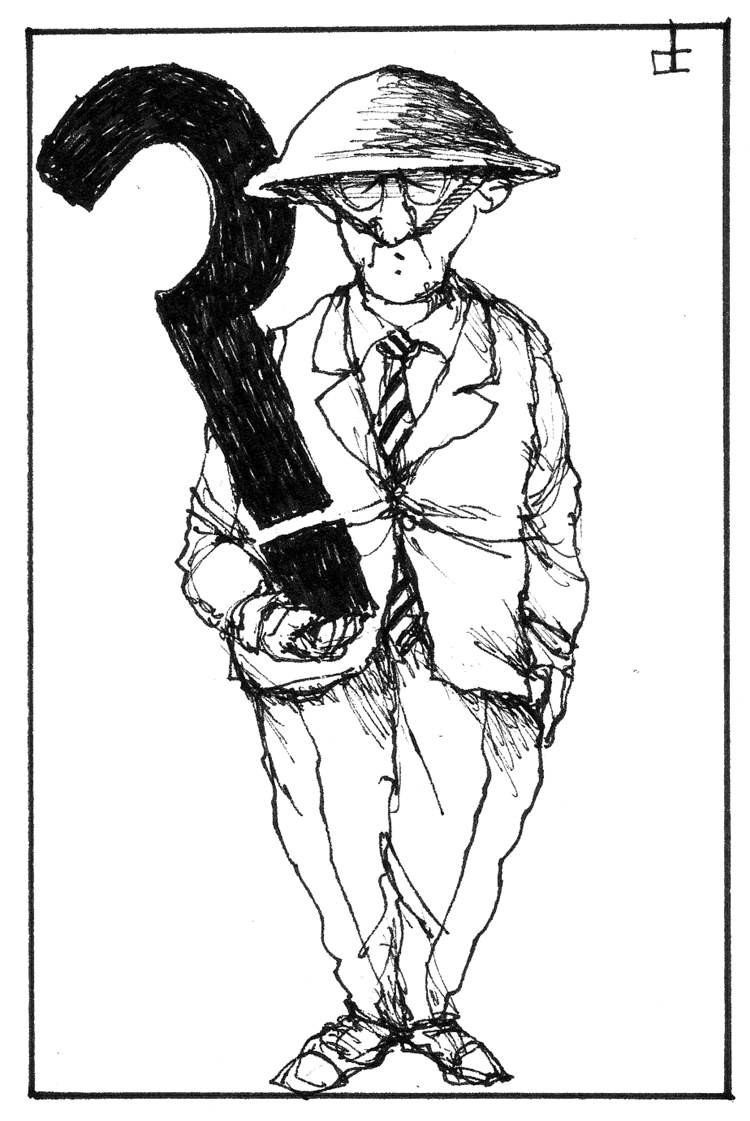
The first military decision Canada will make in 2013 won’t be about military procurements or the challenges of recruitment and retention in the post-Afghan period, but whether to participate in an international mission in Mali, a country few people could even find on a map.
The best-known city in the west African country is Timbuktu, which most Canadians know only as a metaphor for a land that is distant, remote and unknown.
But then, few Canadians knew much about Afghanistan, Yemen, Somalia and a long list of other Timbuktus that have become the focus of western military interests over the last 10 to 15 years.
The government of Mali is currently facing a threat from Islamist insurgents who are aligned with al-Qaida, the radical organization founded by Osama bin Laden and committed to narrow and distorted interpretations of Islamic law, much like the Taliban in Afghanistan and Pakistan.
The insurgents are seeking independence for an area of northern Mali, which they dominate today. Like the Taliban in Afghanistan, they have destroyed several world heritage sites and beaten women for not covering up.
The African Union has agreed to deploy about 3,500 soldiers to help the Mali government defeat the insurgency, while the European Union has pledged to send 250 soldiers in a training role.
Canada may also be asked to participate and Defence Minister Peter McKay recently confirmed he is considering a training operation, but Canada also could contribute some military equipment, which it has done in the past in Mali.
Canada’s special forces have provided training to Mali’s military in the past, according to various reports, although details are scarce.
If the United Nations requests Canada’s assistance, the country should respond favourably. Canada has a long association with Mali, providing both civilian and military aid to the country for the last 50 years.
The Mali government is hardly a model of democratic governance today, but it has friendly relations with the West and operated as a constitutional democracy until the recent troubles sparked a coup by military officers, who are believed to wield most of the power.
The question before Canada and the West is not whether Mali’s leaders are good and moral men by western standards, but whether the alternative is much worse.
The United Nations, moreover, an organization never known for taking bold actions in messy situations, has approved direct military intervention by the African Union to defeat the insurgents, and the EU has decided to send trainers.
There are risks even in a soft training mission, including the possibility of human rights abuses by the Mali army and other crimes that are frequently associated with insurgencies and civil wars.
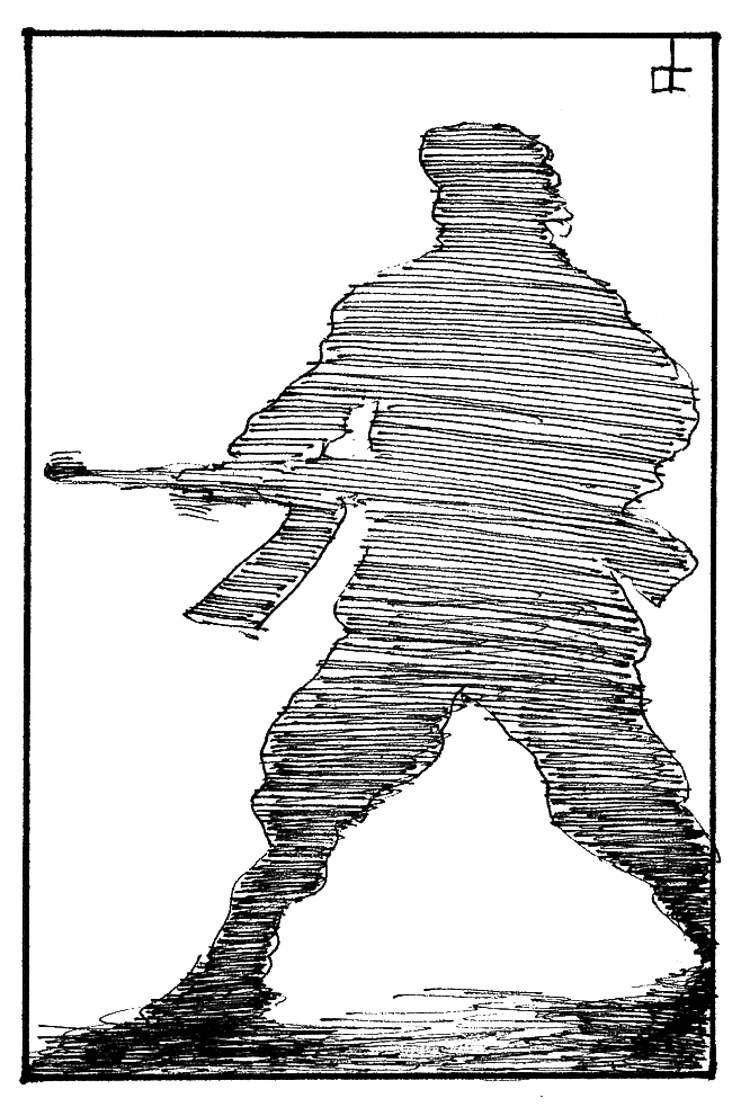
If Canada was to get involved, it would need to make clear to the Mali government that the country’s support is not unqualified, particularly when it comes to basic human rights.

For 45 years after the Second World War, Canada’s military engaged in peacekeeping operations and trained to defeat Soviet tanks in a European battlefield.
The strategic terrain, however, has shifted and the military is more likely today to be called on to engage in small, irregular operations in failed or failing states rather than large traditional battles.
The situation in Mali is one example of the kind of military challenge Canada will increasingly be asked to meet in the future.
Every operation should be judged on its own merits, but Mali meets the criteria for Canada’s support. It’s a friendly country with historic ties to Canada facing a threat from an offensive organization that is also a sworn enemy of the West.
It is simplistic to reduce the world’s antagonists to white hats and black hats, but Canada should still be able to recognize its interests in the murky, grey areas that characterize today’s battlegrounds.