

Dress code is a minor military concern
Advertisement
Read this article for free:
or
Already have an account? Log in here »
To continue reading, please subscribe:
Monthly Digital Subscription
$1 per week for 24 weeks*
- Enjoy unlimited reading on winnipegfreepress.com
- Read the E-Edition, our digital replica newspaper
- Access News Break, our award-winning app
- Play interactive puzzles
*Billed as $4.00 plus GST every four weeks. After 24 weeks, price increases to the regular rate of $19.95 plus GST every four weeks. Offer available to new and qualified returning subscribers only. Cancel any time.
Monthly Digital Subscription
$4.99/week*
- Enjoy unlimited reading on winnipegfreepress.com
- Read the E-Edition, our digital replica newspaper
- Access News Break, our award-winning app
- Play interactive puzzles
*Billed as $19.95 plus GST every four weeks. Cancel any time.
To continue reading, please subscribe:
Add Free Press access to your Brandon Sun subscription for only an additional
$1 for the first 4 weeks*
*Your next subscription payment will increase by $1.00 and you will be charged $16.99 plus GST for four weeks. After four weeks, your payment will increase to $23.99 plus GST every four weeks.
Read unlimited articles for free today:
or
Already have an account? Log in here »
Hey there, time traveller!
This article was published 04/04/2022 (1479 days ago), so information in it may no longer be current.
While the Canadian Armed Forces hopes a gender-neutral dress code will attract more enlistments, the appearance of the uniform matters far less than the behaviour of people wearing the uniform. This is particularly true when the badges on the uniform indicate the wearer is of senior rank.
The military announced March 23 it will soon modify the separate dress codes that categorize men and women on clothing, hairstyles, makeup and jewelry, one of many measures designed to make the forces more attractive to young people considering their career choices.
Meanwhile, last Wednesday, a judge delivered a sentence in a case that is surely a high-level example of why military recruitment is dwindling. Jonathan Vance, who resigned from the forces’ top position after allegations of sexual harassment and sexual misconduct, received a conditional discharge, walking away from court without a criminal record.
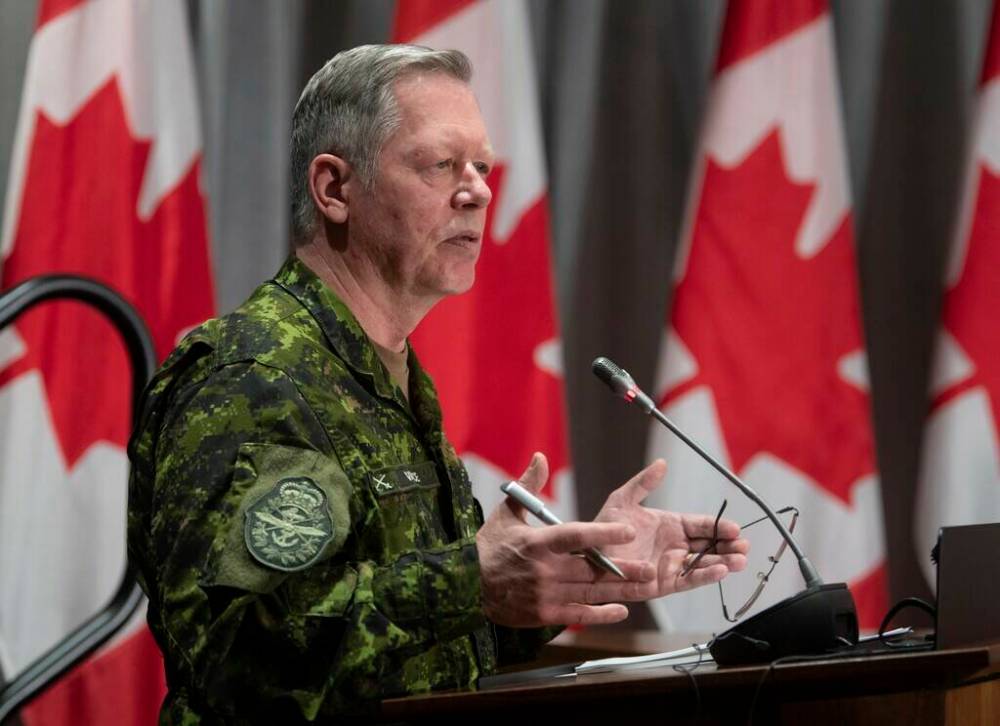
The leniency shown to Mr. Vance has been decried as just another example of powerful military men getting away with sexual misconduct. That view is understandable given the larger context, which is dismaying. The Canadian military has in recent years been rocked by cascading claims from women who have been sexually harassed, a crisis that led to 11 current and former military leaders investigated and, in some cases, pushed out of the forces.
Chief among them was the chief of defence. It was while Mr. Vance held the forces’ most senior post that he was accused of sending sexually suggestive messages to one female officer and having an ongoing intimate relationship with another subordinate officer, both acts that violated internal regulations.
When his relationship became public, he initially denied it and asked the woman to also deny it, although she refused to join his deceit.
An investigation by the military police into the sexual misconduct ended without charges. There was ample evidence, including tape recordings, but it was “legally impossible” for Mr. Vance to be tried under military law because his rank was too high, according to retired Supreme Court Justice Morris Fish.

Instead, he pleaded guilty in civilian court to a single charge of obstruction of justice, related to lies told to military police investigating allegations of his sexual misconduct. He was sentenced to 80 hours of community service, and was granted a conditional discharge.
Although the legal sentence was light by anyone’s standards, the misconduct of Mr. Vance and other high-ranking officers has sullied the reputation of Canada’s military, worsening a recruitment drought that has left Canada with a shortage of thousands of troops as it faces growing demands to deploy soldiers home and abroad, including hundreds ordered to Europe in response to Russia’s invasion in Ukraine.
The epidemic of sexual misconduct has led both the federal government and the military to make substantial efforts to rebuild trust. A $900-million class-action lawsuit was settled in response to 19,000 claims submitted by former military and defence department employees, and Defence Minister Anita Anand and current top commander Gen. Wayne Eyre have each offered full apologies.
Even though the military now assures victims it’s safe to come forward, it will take time for potential recruits to view the forces as a place where they will be protected from harassment by people with power.
Perhaps Mr. Vance is the poster boy for the military’s better-late-than-never intolerance for sexual misconduct. He wore civilian clothes for his virtual court appearance on Wednesday, no longer allowed to wear the uniform he besmirched. The abrupt end of the career of Canada’s top military officer, and the damage to his personal reputation, should serve to deter other officers tempted to abuse their authority.