

Secret stashes found in Paradise
Advertisement
Read this article for free:
or
Already have an account? Log in here »
To continue reading, please subscribe:
Monthly Digital Subscription
$1 per week for 24 weeks*
- Enjoy unlimited reading on winnipegfreepress.com
- Read the E-Edition, our digital replica newspaper
- Access News Break, our award-winning app
- Play interactive puzzles
*Billed as $4.00 plus GST every four weeks. After 24 weeks, price increases to the regular rate of $19.95 plus GST every four weeks. Offer available to new and qualified returning subscribers only. Cancel any time.
Monthly Digital Subscription
$4.99/week*
- Enjoy unlimited reading on winnipegfreepress.com
- Read the E-Edition, our digital replica newspaper
- Access News Break, our award-winning app
- Play interactive puzzles
*Billed as $19.95 plus GST every four weeks. Cancel any time.
To continue reading, please subscribe:
Add Free Press access to your Brandon Sun subscription for only an additional
$1 for the first 4 weeks*
*Your next subscription payment will increase by $1.00 and you will be charged $16.99 plus GST for four weeks. After four weeks, your payment will increase to $23.99 plus GST every four weeks.
Read unlimited articles for free today:
or
Already have an account? Log in here »
Hey there, time traveller!
This article was published 07/11/2017 (3094 days ago), so information in it may no longer be current.
The Queen of England, the secretary of commerce of the United States and the Canadian Liberal party’s best fundraiser, among thousands of others, came in for some unwelcome publicity this week when journalists in Europe and North America sifted through records about tax havens and their customers.
The blast of publicity is likely to stimulate governmental efforts to open tax havens to international scrutiny.
A tax haven is a country with low taxes that allows its banks and companies to accept deposits from wealthy foreigners, ask no questions and keep the whole thing secret.
Companies and wealthy individuals who want to hide their money from the tax collectors back home rely on specialist consultants to find such tax havens for them.
An anonymous source in April 2016 gave a German newspaper a huge trove of files from a Panamanian corporate services firm, drawing attention to Panama’s role as a tax haven.
Finance ministries of the industrial countries had already organized a Global Forum on Transparency and Exchange of Information for Tax Purposes and started inviting the likes of Panama, Vanuatu, Liechtenstein, Malta and Andorra to join the forum and submit to its rules, but progress was slow.
The Panama Papers disclosure gave new impetus to the effort. This week, the same network of newspapers and broadcasters publicized a fresh data dump, this time with records from the files of Appleby, a law firm.
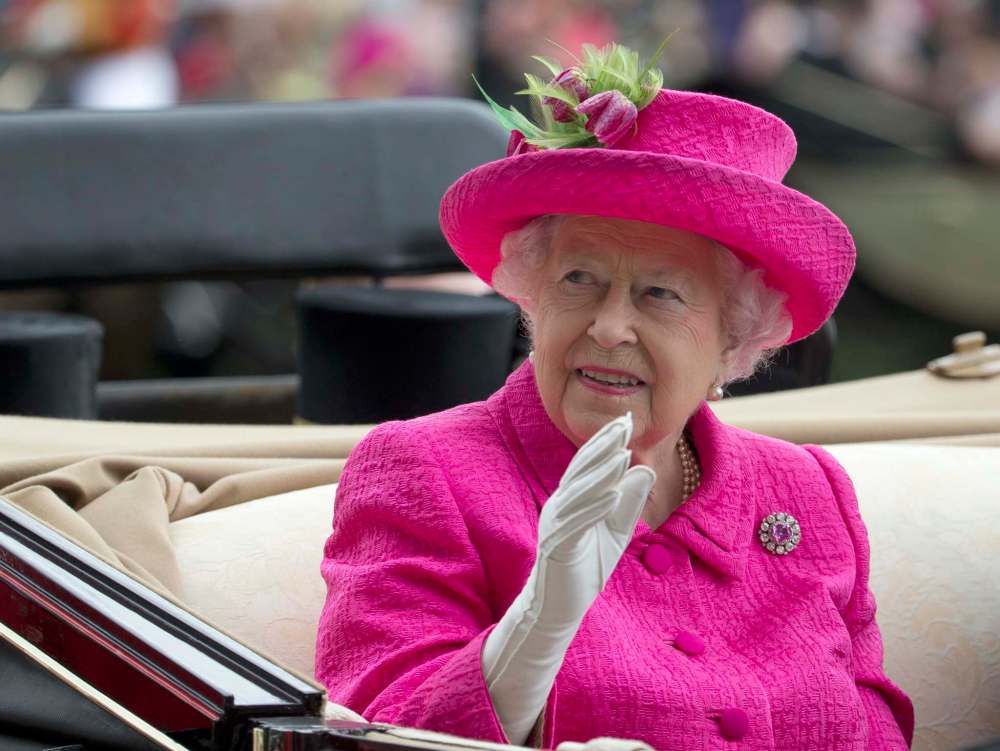
Queen Elizabeth II, U.S. Commerce Secretary Wilbur Ross and Canadian ex-senator Leo Kolber were reportedly mentioned in the documents. What these people had actually done was less clear, but celebrity has its own publicity value. Because some of the tax havens are tropical islands, the journalists have named this project the Paradise Papers.
The Global Forum has adopted a standard requiring its member countries to exchange information with other members on request and another standard requiring automatic exchange of information.
But these standards can only apply when a country has a finance department that is well enough organized to compel disclosure by its banks and other entities and punish them when they do not.
All the countries involved have to have comparable legal frameworks for protecting the privacy and regulating the circulation of information provided to them. Plenty of pretexts for foot-dragging can be found. Some tax havens such as Anguilla, Curaçao, Sint Maarten and the Marshall Islands scarcely have a government, much less a tidy system for regulating financial institutions.

While they remain available as hiding places, Trinidad and Tobago will have little reason to start complying with international reporting standards.
One result of the Panama and Paradise disclosures may be to show that secrecy is not what it used to be.
Appleby and similar firms offer their clients discretion, but they also keep their records in their computers, at the mercy of any disgruntled employee with good knowledge of electronic file management. There’s not much point hiring a firm to keep your secrets if your secrets then turn up in the newspaper.
Another result may be to encourage leaders of the Global Forum to keep the pressure on the remaining tax havens and offer them the training and technical help they may need to comply with exchange of information standards.
It is slow work, but little by little, the number of compliant countries is increasing.
History
Updated on Tuesday, November 7, 2017 7:38 AM CST: Photo added.