

Sympathy for Harvey’s victims
Advertisement
Read this article for free:
or
Already have an account? Log in here »
To continue reading, please subscribe:
Monthly Digital Subscription
$1 per week for 24 weeks*
- Enjoy unlimited reading on winnipegfreepress.com
- Read the E-Edition, our digital replica newspaper
- Access News Break, our award-winning app
- Play interactive puzzles
*Billed as $4.00 plus GST every four weeks. After 24 weeks, price increases to the regular rate of $19.95 plus GST every four weeks. Offer available to new and qualified returning subscribers only. Cancel any time.
Monthly Digital Subscription
$4.99/week*
- Enjoy unlimited reading on winnipegfreepress.com
- Read the E-Edition, our digital replica newspaper
- Access News Break, our award-winning app
- Play interactive puzzles
*Billed as $19.95 plus GST every four weeks. Cancel any time.
To continue reading, please subscribe:
Add Free Press access to your Brandon Sun subscription for only an additional
$1 for the first 4 weeks*
*Your next subscription payment will increase by $1.00 and you will be charged $16.99 plus GST for four weeks. After four weeks, your payment will increase to $23.99 plus GST every four weeks.
Read unlimited articles for free today:
or
Already have an account? Log in here »
Hey there, time traveller!
This article was published 30/08/2017 (3156 days ago), so information in it may no longer be current.
As the world watches news coverage of the U.S. Gulf Coast, the tragedy seems particularly relevant to many Manitobans. We know what it’s like when water turns malevolent.
Flooding always has been a concern in Manitoba, which is not surprising since the capital city, Winnipeg, was built in a flood plain. The memories of “the big ones,” in 1950 and in 1997, and less serious floods in 2009 and 2011, are part of the public consciousness in Manitoba. We know the helplessness of watching water breach the banks.
Most in this province are too young to remember 1950, when nearly 100,000 Manitobans evacuated their homes. And some Manitobans are even too young to have hoisted sandbags in 1997. But stories are passed from generation to generation, and Manitobans know water can rise up and devastate man-made structures, a horrendous spectacle currently unfolding along the Gulf Coast.
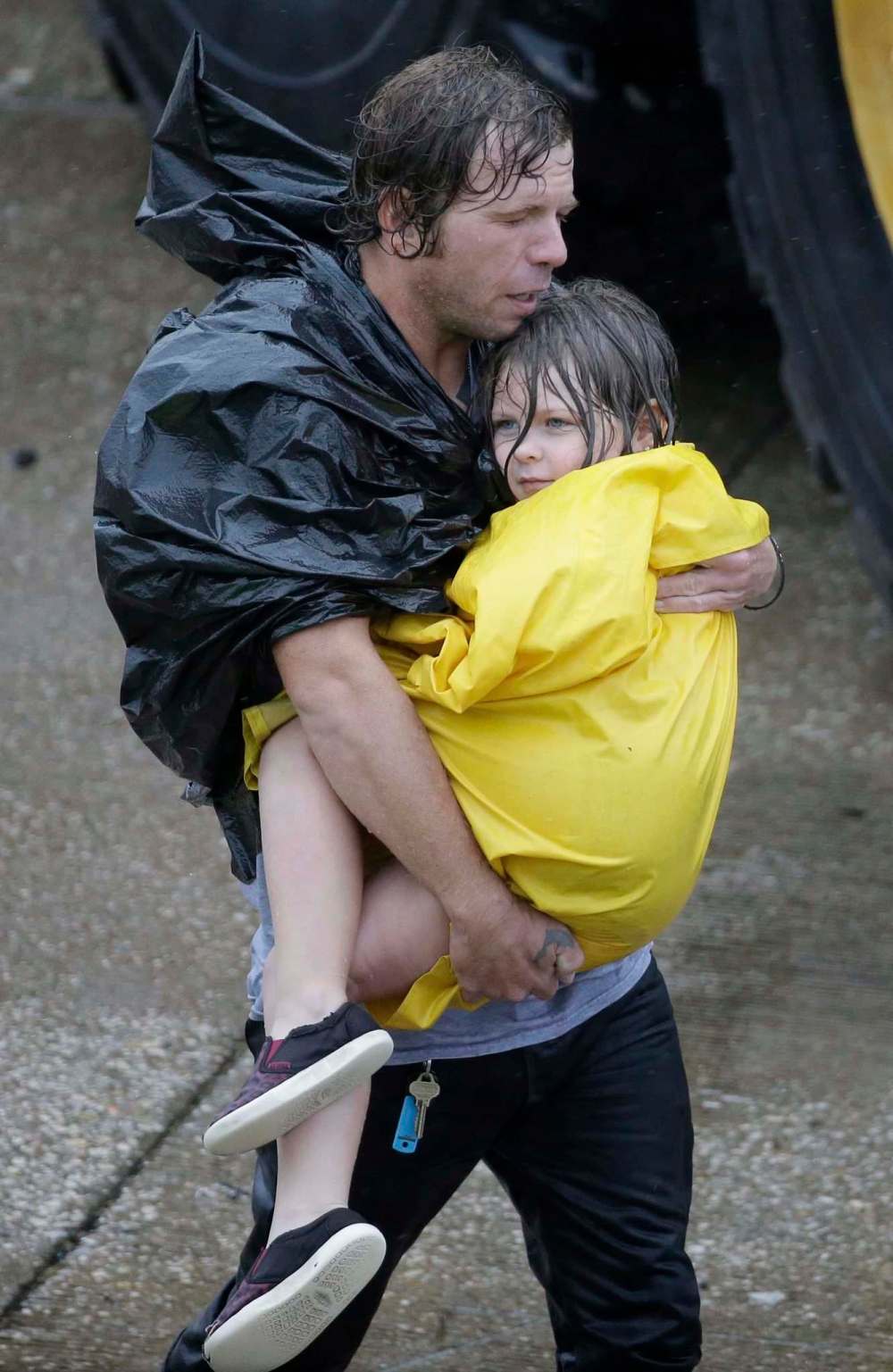
It would be exaggerating to suggest Manitoba’s past floods are on the same scale as the ruination occurring in the Houston area. The number of people in the storm’s path, and the expected property damage, dwarf anything in Manitoba’s experience. Spring flooding in the Red River Valley is predictable; our natural disasters typically arrive with at least six weeks’ advance notice.
Our floods have never accompanied hurricanes, nor featured the stunning amount of rainfall currently drenching the southeast coastal region.
But one aspect of the Texas tragedy will be all too familiar to Manitobans: we know from repeated experience the destruction that surging water can create.
Residents in parts of the world that are safe from flooding may view water solely as good, as life-giving hydration for our bodies, as essential moisture for growing crops, as a venue for such recreational pursuits as swimming, boating and skating. But residents of Manitoba and the Gulf Coast have had the unnerving experience of watching or being forced to flee as water took back the land humans thought they had claimed.

This province’s extensive experience with floods should equip people in these parts to offer advice, although, realistically, any lessons learned by Manitoba seem woefully inadequate in the face of the disaster underway in the Gulf Coast region.
We could assure the beleaguered Gulf Coast residents that outside help will arrive. In the same way military personnel came to Winnipeg in 1997 to help with the flood-fighting efforts, U.S. politicians are pledging huge resources toward the disaster and the recovery.
We could also tell Hurricane Harvey’s victims that everyday heroes will emerge. A spirit of selfless compassion emerges during catastrophes, with neighbours helping neighbours, rescuers making room in boats for stranded strangers, and citizens working tirelessly in gymnasiums turned into evacuation centres.
It’s also possible the current calamity will result in Texas engineers designing infrastructure changes that fit best with the area’s geography and drainage systems. In Manitoba, it took the flood of 1950 for the government to order construction of the Red River Floodway. Perhaps the money U.S. President Donald Trump intends to spend on the Mexican border wall would be better directed to dealing with the effects of climate change and protecting the Gulf Coast from the next big storm.
Manitobans who are moved by the plight of Texas and Louisiana can donate through relevant agencies to help with disaster relief. Those of us who pray can pray for the safety of victims. Beyond that, there’s little we can offer, other than kinship: like residents of the Gulf Coast, Manitobans know what it’s like when water unleashes its fury.