

Virtual classes leaving some behind
Advertisement
Read this article for free:
or
Already have an account? Log in here »
To continue reading, please subscribe:
Monthly Digital Subscription
$1 per week for 24 weeks*
- Enjoy unlimited reading on winnipegfreepress.com
- Read the E-Edition, our digital replica newspaper
- Access News Break, our award-winning app
- Play interactive puzzles
*Billed as $4.00 plus GST every four weeks. After 24 weeks, price increases to the regular rate of $19.95 plus GST every four weeks. Offer available to new and qualified returning subscribers only. Cancel any time.
Monthly Digital Subscription
$4.99/week*
- Enjoy unlimited reading on winnipegfreepress.com
- Read the E-Edition, our digital replica newspaper
- Access News Break, our award-winning app
- Play interactive puzzles
*Billed as $19.95 plus GST every four weeks. Cancel any time.
To continue reading, please subscribe:
Add Free Press access to your Brandon Sun subscription for only an additional
$1 for the first 4 weeks*
*Your next subscription payment will increase by $1.00 and you will be charged $16.99 plus GST for four weeks. After four weeks, your payment will increase to $23.99 plus GST every four weeks.
Read unlimited articles for free today:
or
Already have an account? Log in here »
Hey there, time traveller!
This article was published 25/05/2020 (2161 days ago), so information in it may no longer be current.
In Premier Brian Pallister’s push to reopen the province’s economy, he appears to have given limited attention to the issue of resuming in-person education in the public school system. The premier would be well advised to revisit that topic immediately.
When all is said and done, school-age children are a group that will have suffered the most from the pandemic disruption. They are the most innocent, the least able to process what is happening, and the most likely to suffer lasting problems as a result of being isolated from their friends and teachers.
The closure of schools was a public-health necessity. However, the reopening of schools is proving to be among the most challenging aspects of the pandemic. Some provinces, most notably Quebec, are moving aggressively with a nearly complete resumption of classes. However, the list of restrictions and public-health measures required to assuage parents’ concerns is long and, in some minds, excessive.
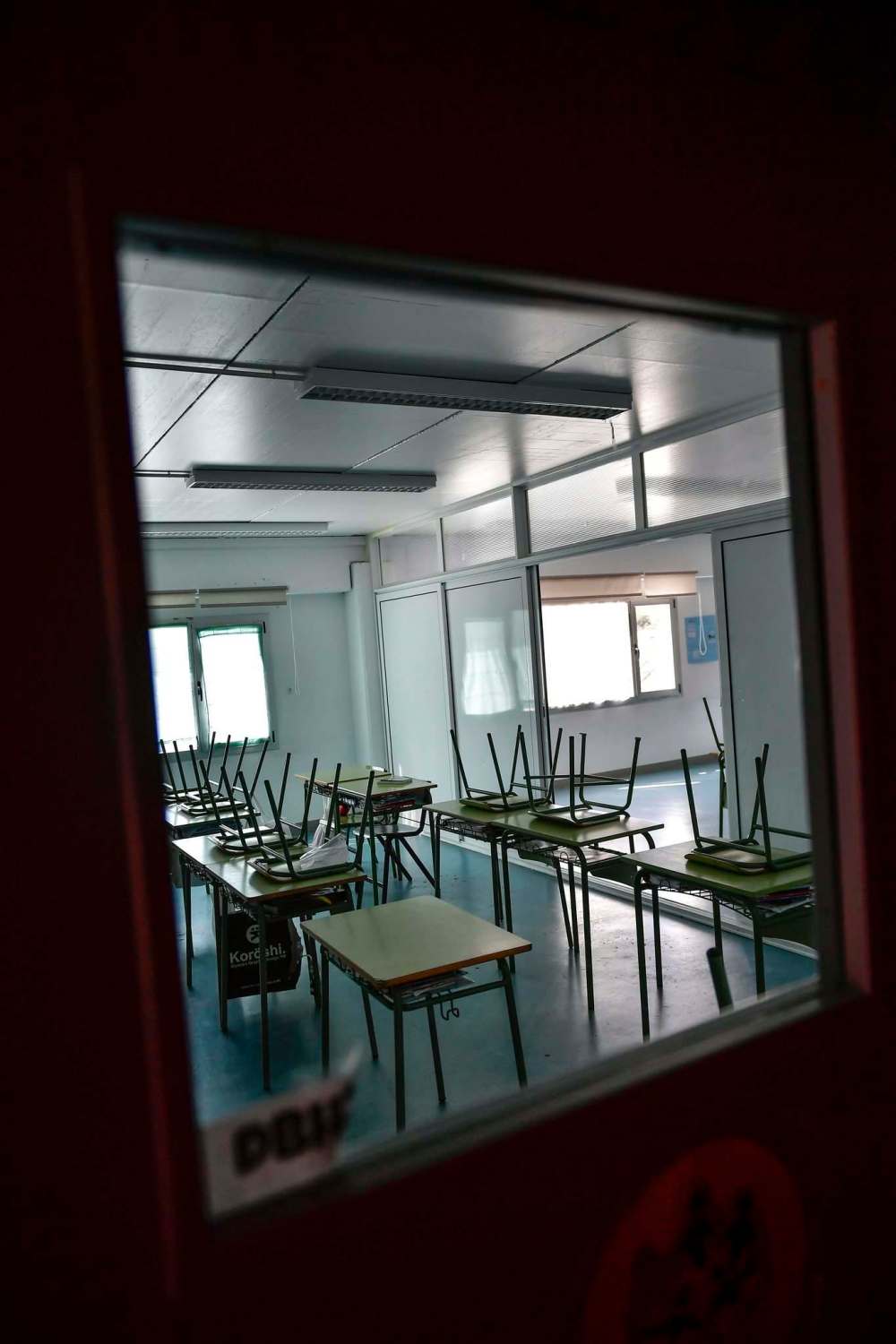
What if there’s a more surgical way of approaching the issue? Mr. Pallister’s Phase 2 shows some promise in this regard — schools will be allowed to open for staff, and some students will be able to use school Wi-Fi and computers. Outdoor school playgrounds are also going to reopen.
However, what’s missing from Manitoba’s plan is the creation of meaningful opportunities for the most vulnerable students to access much-needed in-person education, sooner rather than later.
Those with special needs, those who have struggled with virtual learning and those who lack access to computers or Wi-Fi connections need more face-to-face contact to ensure they do not fall profoundly behind their classmates. Failing them will only ensure that next fall, when it is hoped most children can return to school in some fashion, we have a large number of children whose academic progress has been stunted, perhaps permanently.

It is widely understood that many children at all ages have simply ceased trying to learn within the confines of virtual education. As the schools were emptied, Manitoba students were told they could go forward into the virtual learning environment with the comfort of knowing their final marks would not be lower than what they were before the lockdown. That served as an invitation for some children to simply ignore school work.
The realization that some students had been inadvertently encouraged to ignore school obligations then prompted the province to introduce “recovery learning” into the educational vernacular. The term refers to an as-yet-unidentified remedial program that will be used to support students who checked out of virtual classes.
Waiting until fall to deal with these estranged students, and others who kept up their school work but have struggled with the virtual environment, is a self-defeating strategy. There is time, right now, to provide extra attention to struggling students to ensure the next school year is not severely compromised.
Quebec’s effort to reopen schools does not provide a blueprint for how Manitoba should proceed. But it can inform this province on some of the measures that could be put in place to give in-person support, in a safe environment, to those students who need it most.
Even with the threat of COVID-19 still lurking in all aspects of our lives, Manitoba should be mindful of the perils of putting off today something so important to the tomorrows of so many children.