

Winnipeg’s inner city rising up
Advertisement
Read this article for free:
or
Already have an account? Log in here »
To continue reading, please subscribe:
Monthly Digital Subscription
$1 per week for 24 weeks*
- Enjoy unlimited reading on winnipegfreepress.com
- Read the E-Edition, our digital replica newspaper
- Access News Break, our award-winning app
- Play interactive puzzles
*Billed as $4.00 plus GST every four weeks. After 24 weeks, price increases to the regular rate of $19.95 plus GST every four weeks. Offer available to new and qualified returning subscribers only. Cancel any time.
Monthly Digital Subscription
$4.99/week*
- Enjoy unlimited reading on winnipegfreepress.com
- Read the E-Edition, our digital replica newspaper
- Access News Break, our award-winning app
- Play interactive puzzles
*Billed as $19.95 plus GST every four weeks. Cancel any time.
To continue reading, please subscribe:
Add Free Press access to your Brandon Sun subscription for only an additional
$1 for the first 4 weeks*
*Your next subscription payment will increase by $1.00 and you will be charged $16.99 plus GST for four weeks. After four weeks, your payment will increase to $23.99 plus GST every four weeks.
Read unlimited articles for free today:
or
Already have an account? Log in here »
Hey there, time traveller!
This article was published 12/12/2015 (3726 days ago), so information in it may no longer be current.
Manitoba will be home shortly to a wave of newcomers, Syrians who fled war and who need a secure place to start again, to raise their children. Manitobans know how to do this.
This province has welcomed thousands of immigrants each year, a product of the NDP government’s aggressive immigration policy. In some years, Manitoba has welcomed more than 10,000 immigrants as a result of the policy. Donald Trump could learn a thing here about the dividends of immigration, diversity and tolerance.
That’s what Mayor Brian Bowman was trying to say when he invited the wealthy American and Republican presidential candidate to come check out the Canadian Museum for Human Rights.
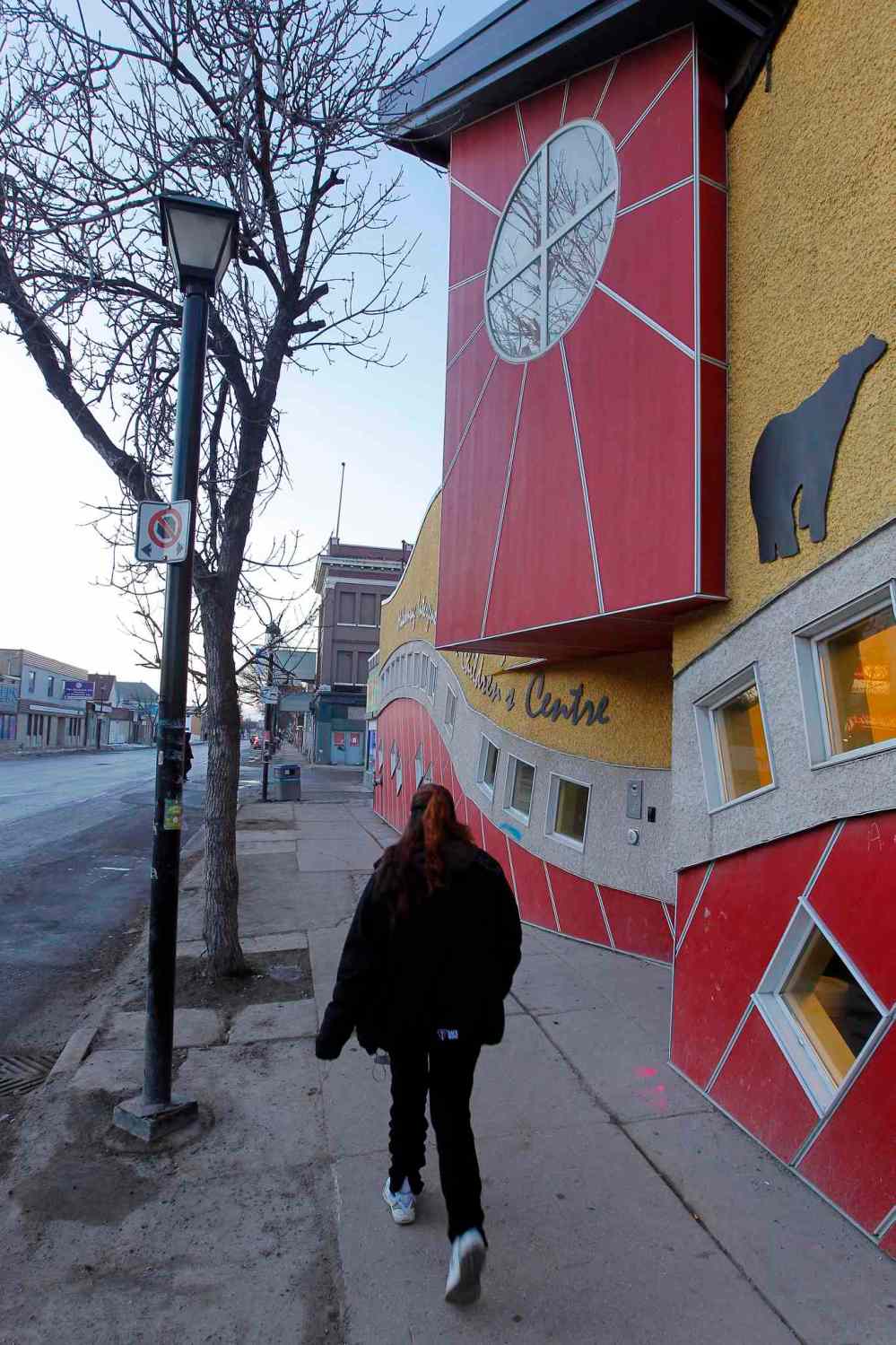
Winnipeg’s offered a new start and security for many, to be sure. But not for all.
There’s a lot of data that show Manitoba has too many people mired in misery. Aside from Winnipeg’s ignominious label of the most racist place in Canada, Manitoba has the highest rates of child poverty among provinces and the highest rates of crime. Hard to find reason to brag in that.
The statistics are disheartening. Much of this is concentrated in Winnipeg’s inner-city neighbourhoods where many new immigrants find their first homes.
But the recent analysis by the Canadian Centre for Policy Alternatives suggests life is improving for those fighting the daily grind. The dismal statistics that have punctuated the group’s previous “state of the inner city” reports are improving.
The centre’s Jim Silver and Darren Lezubski compared Statistics Canada data from 1996 to 2011 and found employment is rising, along with high school completion rates, home ownership and median incomes.
Poverty rates have dropped dramatically. More people are calling the inner city “home.”
These are signs of hope.
To be sure, some of them are glimmers, found in numbers edging up after decades of steep decline. The inner city’s population, for example, is far below that of 1971, but almost 10,000 higher than in 2001. But the poverty rate has fallen steeply, to 20 per cent from 1996’s high of 47 per cent.

Mr. Silver and Mr. Lezubski conclude the progress is likely a result of the hard work of neighbourhood groups on community revitalization and development, flowing from significant provincial investment in grants programs that focus on local solutions.
This is a leap — the authors concede data to make a firm connection are scarce. There is a stronger, proven association, however, between higher levels of education and higher incomes, and that’s reflected in this analysis.
The data reflect on the lives of the aboriginal people in the inner city, but also on the high proportion of immigrants who settle in the core when they first arrive in Winnipeg.
Winnipeggers need only stroll down streets such as Ellice Avenue and Arlington Street to see the proof. And you can see, as the centre’s report illustrates, the result of residents who are investing in their communities. Restaurants have made the inner city a dining destination, as have ethnic grocery stores, the craft shops featuring First Nations handiwork and many other businesses started by and serving an international community.
This puts flesh on the numbers. It is evidence that, as the report notes, inner-city residents are opting to stay and make it home. The statistics on poverty and education are still daunting, but Manitobans have reason to believe lives are getting better. That’s a sign the province might one day fully live up to the values espoused in the Canadian Museum for Human Rights.
History
Updated on Saturday, December 12, 2015 6:13 AM CST: Adds picture.