

Five issues may shape voting in key ridings
Advertisement
Read this article for free:
or
Already have an account? Log in here »
To continue reading, please subscribe:
Digital Subscription
One year of digital access for only $1.44 a week*
- Enjoy unlimited reading on winnipegfreepress.com
- Read the E-Edition, our digital replica newspaper
- Access News Break, our award-winning app
- Play interactive puzzles
*Billed as $5.77 plus GST every four weeks. After 52 weeks, price increases to the regular rate of $19.95 plus GST every four weeks. Offer available to new and qualified returning subscribers only. Cancel any time.
To continue reading, please subscribe:
Add Free Press access to your Brandon Sun subscription for only an additional
$1 for the first 4 weeks*
- Enjoy unlimited reading on winnipegfreepress.com
- Read the E-Edition, our digital replica newspaper
- Access News Break, our award-winning app
- Play interactive puzzles
*Your next Brandon Sun subscription payment will increase by $1.00 and you will be charged $17.95 plus GST for four weeks. After four weeks, your payment will increase to $24.95 plus GST every four weeks.
Read unlimited articles for free today:
or
Already have an account? Log in here »
Hey there, time traveller!
This article was published 03/09/2011 (5533 days ago), so information in it may no longer be current.
Our election team is expecting these five issues to be the most prominent in defining the parties’ campaigns and determining where voters will put their X.
Health care
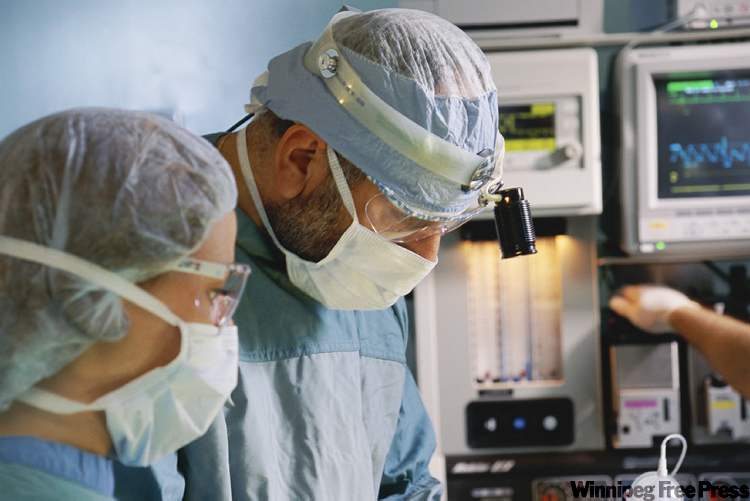
The issue: Manitobans typically say health care is their top issue, but that’s sometimes a reflexive response. Health care is the single most complex service the province provides. It’s hard to drill down. Are people worried about wait times? Access to a family doctor? Services not covered by Manitoba Health? Expanding pharmacare?
What we should be talking about: Innovative prevention programs that save money upfront, the fetal alcohol spectrum disorder epidemic, the disgraceful state of aboriginal health, the looming federal-provincial health accord, real systemic reform, the shortage of mental health services.
The politics: The NDP and Tories are already using health care as a political bludgeon. The NDP claims (with questionable veracity) that the Tories fired 1,000 nurses in the Filmon years and would do so again. The Tories claim the NDP failed to deliver on a promise to end hallway medicine. It’s politics, not a real policy debate. Look for the Liberals, led by a doctor, to have the most concrete health care promises.
The upshot: The NDP traditionally owns this issue and the party can already claim it’s started work on shrinking cancer-care wait times and ensuring every Manitoban has a family doctor. Ten years too late, say the Tories.
Crime
The issue: The overall crime rate is dropping, but Winnipeg is still the violent-crime capital of Canada, according to the newest round of Statistics Canada figures. Most of Winnipeg’s serious crimes are concentrated in the inner city and involve people who know each other, but a rash of arsons and gang violence over the summer is making crime top-of-mind for all voters.
What we should be talking about: If you believe in a crime crackdown, we should be talking about more police officers, more court staff to speed cases, more jails and better lobbying to overhaul the federal Criminal Code. If you believe attacking the root cause of crime is more effective, we should be talking about FASD, Winnipeg’s poverty problem, the plethora of mentally ill people embroiled in the justice system, treatment instead of jail time and real rehabilitation programs in prisons.
The politics: Crime was the most effective element of the Tories’ campaign in 2007 and a relentless talking point since. It likely will play a big role in the party’s campaign this time. But the NDP can claim a certain degree of tough-on-crime credibility because they’ve funded police and they’re building new jails.
The upshot: The Tories own this issue, and it could be a vote-getter in urban ridings they need to win.
Infrastructure
The issue: The same-old same-old — highways are crumbling, city streets need a multibillion-dollar cash infusion, recreation centres are ancient and now there’s a need to build better flood protection on the Assiniboine River and around lakes.
What we should be talking about: A better way to fix Winnipeg’s $3.8-billion backlog of infrastructure repairs, not to mention billions in new roads, sewers and recreation centres planned in the coming years. Voters cringe at the mention of a new deal for cities, but a report commissioned by Winnipeg and other municipalities asked for a point of the existing PST plus the levying of an additional point of PST dedicated to infrastructure. The province’s biggest CEOs agree. The infrastructure issue is fundamentally a debate about taxes.
The politics: No party wants to talk about taxes unless they are cutting them, so the infrastructure debate is likely to stagnate again this election. Both parties will promise progress on paving roads and fixing bridges — the Tories pledged a $375-million Manitoba Strategic Investment Fund on Wednesday — but without a significant new source of revenue any new work will only stall the decline, not make things better.
The upshot: It will likely be a wash for all parties, unless one of the three proposes the first bold solution in a decade of debate over infrastructure.
Fiscal management
The issue: Speaking of taxes, Manitoba is running a $490 million deficit so far this year, roughly the same as last year. That’s not as bad as many other provinces, but it’s an unusual fiscal failure for Manitoba. Meanwhile, there’s the usual clamouring from real estate agents and cottage owners to eliminate education property taxes, calls to kill the payroll tax and share the PST with cities, all of which would eat into the province’s revenue.
What we should be talking about: Elections are never a good time to have a rational discussion about tax reform — whether it makes sense to increase consumption taxes such as the PST or the levy on gas while reducing less-fair taxes such as those on property. It’s also unlikely we’ll see real ideas about how exactly the province could emerge from its lonely “have-not” status.
The politics: The Tories are casting themselves as the only ones with a realistic plan to balance the budget and they say the NDP’s pledge to get back in the black by 2014 is a pipe dream that will only lead to a tax hike.
The upshot: The NDP are vulnerable on this issue because they did fiddle with the balanced budget legislation to allow themselves to run a deficit. But the Tories are battling their 1990s reputation as ruthless fiscal managers, which may not be where middle-of-the-road Manitobans want to go.
Hydro
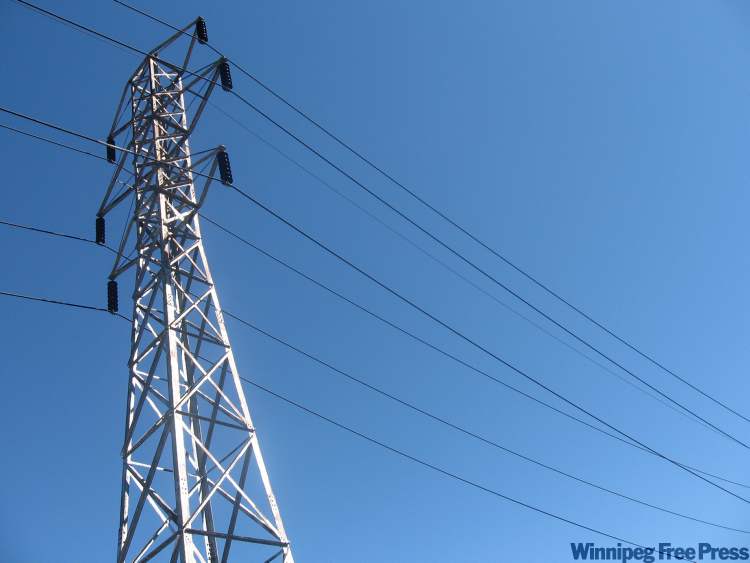
The issue: It’s the first time in years Manitoba Hydro has been a big election issue, and it should be. The company keeps power rates rock-bottom and could one day sell lucrative green power into the United States — a huge benefit to Manitobans. But it’s also about to lose its long-time CEO in Bob Brennan, and it’s embarking on a $20 billion spending spree some fear is far too ambitious.
What we should be talking about: Why we’re falling behind on wind power. Whether Manitobans might not be so terrible at conserving energy if rates reflected the real cost of power. Whether the Manitoba government ought to use some of Hydro’s profits to bolster general revenues, as other provinces do. Whether the long-promised green power market is ever going to open up in the United States and make Manitoba rich. Whether the government ought to use Hydro more deliberately as a tool of public policy or take a hands-off approach.
The politics: It’s all about the Bipole and privatization. The Tories say the NDP are squandering millions by building the Bipole power line down the west side of the province. The NDP says the Tories have a secret plan to sell off Manitoba Hydro as they did with MTS. The Tories deny this, but the debate over Hydro has so far been fairly narrow.
The upshot: Too early to tell, but the debate over Hydro probably favours the NDP. Most Manitobans are still a little fuzzy on the ins-and-outs of the Bipole so that issue might not resonate for the Tories, but tagging them as privatizers helps galvanize the NDP’s base.
Related Articles
Meet your candidate: We invited would-be MLAs to introduce themselves to you




Advertisement Advertise With Us
Advertisement Advertise With Us