

Care homes suffer from stagnant funding

Advertisement
Read this article for free:
or
Already have an account? Log in here »
To continue reading, please subscribe:

Digital Subscription
One year of digital access for only $205*
- Enjoy unlimited reading on winnipegfreepress.com
- Read the E-Edition, our digital replica newspaper
- Access News Break, our award-winning app
- Play interactive puzzles
*First annual payment billed as $205.00 + GST for one year. This annual subscription will automatically renew at $233.00 + GST every 52 weeks (10% off the regular annual price of $259.35). Offer available to new and qualified returning subscribers only. Cancel any time.
To continue reading, please subscribe:
Add Free Press access to your Brandon Sun subscription for only an additional
$1 for the first 4 weeks*
- Enjoy unlimited reading on winnipegfreepress.com
- Read the E-Edition, our digital replica newspaper
- Access News Break, our award-winning app
- Play interactive puzzles
*Your next Brandon Sun subscription payment will increase by $1.00 and you will be charged $17.95 plus GST for four weeks. After four weeks, your payment will increase to $24.95 plus GST every four weeks.
Read unlimited articles for free today:
or
Already have an account? Log in here »
Hey there, time traveller!
This article was published 05/08/2020 (2232 days ago), so information in it may no longer be current.
The province hiked personal care home fees for residents but none of that money is helping homes cope with the cost of the pandemic or the growing number of aging baby boomers with much greater needs, advocates say.
“We don’t know where it goes,” said Julie Turenne-Maynard, executive director with the Manitoba Association of Residential and Community Care Homes for the Elderly (MARCHE).
Care home fee hike
On Aug. 1, new charges took effect for residents of Manitoba personal care facilities.
The province has increased the fee payable by long-term care residents by as much as $1,660.75 a year for some.
The charge for someone who a panel has determined is in need of a personal care home increased to $95.20 a day from $90.65 for those with a higher income. For lower-income residents, it increased to $39.40 from $38.75 per day.
Source: Manitoba Health
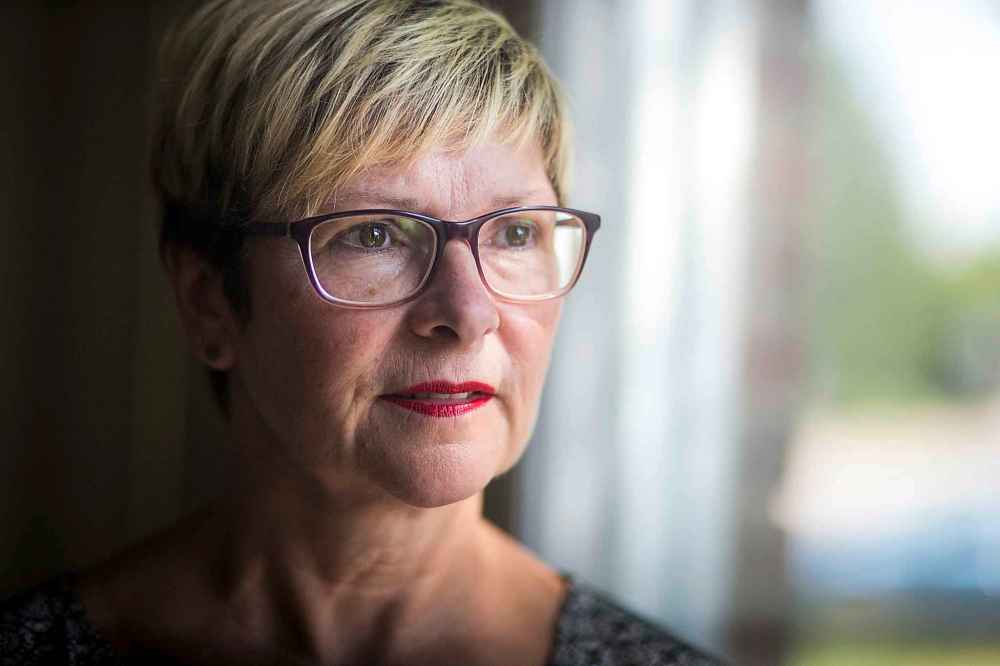
On Aug. 1, care home residents saw fee increases of between one and five per cent depending on their income but homes say they’re not receiving it.
“We have not received a funding increase for more than 15 years,” said Long Term and Continuing Care Association of Manitoba executive director Jan Legeros. “In the last two years, we’ve had funding reductions in the overall budget.”
A provincial government spokesman said personal care homes are funded directly by regional health authorities, which decide how funding is allocated. Since the onset of COVID-19, the province “has invested record amounts in the health care system, including $280 million for safety upgrades to personal care homes,” he said.
When the Pallister government was elected, it asked every facility to look for cost savings, said Turenne-Maynard. In 2017, the Winnipeg health region asked long-term care facilities to cut 0.25 per cent of their operational budget. “When you haven’t seen a funding or an inflation increase (for so many years), you don’t have any more fat to cut,” she said.
“Now, with the COVID-19 pandemic, there have been an incredible amount of expenditures that long-term care homes have had to absorb like PPE (personal protective equipment) and (other measures) to keep residents safe,” Turenne-Maynard said.
Homes for the elderly are struggling with added COVID-19 costs including more expensive food and more expensive diapers – and there are more residents who are coming into care every year who are older and in need of more care, she said.
“The levels of acuity have increased over the years,” said Turenne-Maynard. “Looking back 20 to 30 years ago, people were fairly independent and mobile and had their own cars” at their care homes, she said. “That is not the case anymore.”
Residents now are more likely to be 85 and older with more complex and acute needs, living with dementia and requiring more care. “Many people need assistance with dressing, bathing and feeding… It’s a totally different experience,” but funding levels are the same, she said.
The pandemic has exacerbated the problem, and deaths at care homes in B.C., Ontario and Quebec exposed deeper systemic problems including a lack of funding and staff shortages. Manitoba hasn’t had a deadly care home outbreak but the number of elderly baby boomers in this province is expected to grow every year until at least 2035, said Turenne-Maynard.
“This is going to keep on increasing,” she said. The province determined last year an additional 1,200 long-term care beds are needed. “There needs to be a very well thought-out strategy for what is best for elder care now and in the future.” And it’s needed now.
“Depending on how long this pandemic lasts, we’re already finding it very difficult to manage resources within facilities,” she said, noting that non-profit homes cannot run a deficit under their purchase-of-service agreements with the province.
High levels of stress, burnout and underfunding aren’t attracting new workers to the sector, Turenne-Maynard said.

“There aren’t enough people looking at long-term care as a career choice.”
She’s holding out hope that Shared Health — created to enable provincial planning and integration of services, improve patient care and coordinate support to regional health authorities across — is getting input from 11 different groups on how to improve long-term care.
“It’s going to be a hard nut to crack because we’ve been operating in a certain fashion for so many years. It can’t be changed over night.”
The province is working on a new model that works for patients, health providers and communities – “and makes sure we use our resources in the right places, as efficiently as possible,” the government spokesman said. The plan is to “modernize and standardize delivery of home and community care and that will enable more services to be delivered locally.”
carol.sanders@freepress.mb.ca
Carol Sanders
Legislature reporter
Carol Sanders is a reporter at the Free Press legislature bureau. The former general assignment reporter and copy editor joined the paper in 1997. Read more about Carol.
Every piece of reporting Carol produces is reviewed by an editing team before it is posted online or published in print — part of the Free Press‘s tradition, since 1872, of producing reliable independent journalism. Read more about Free Press’s history and mandate, and learn how our newsroom operates.
Our newsroom depends on a growing audience of readers to power our journalism. If you are not a paid reader, please consider becoming a subscriber.
Our newsroom depends on its audience of readers to power our journalism. Thank you for your support.
Carol Sanders
Legislature reporter
Carol Sanders is a reporter at the Free Press legislature bureau. The former general assignment reporter and copy editor joined the paper in 1997. Read more about Carol.
Every piece of reporting Carol produces is reviewed by an editing team before it is posted online or published in print — part of the Free Press‘s tradition, since 1872, of producing reliable independent journalism. Read more about Free Press’s history and mandate, and learn how our newsroom operates.
Our newsroom depends on a growing audience of readers to power our journalism. If you are not a paid reader, please consider becoming a subscriber.
Our newsroom depends on its audience of readers to power our journalism. Thank you for your support.
Advertisement Advertise With Us
Advertisement Advertise With Us
History
Updated on Thursday, August 6, 2020 11:02 AM CDT: Shared Health is receiving input from 11 different groups, not 13 as a previous version of this story reported.