

Manitoba COVID-19 drug trial unaffected by findings in study
Advertisement
Read this article for free:
or
Already have an account? Log in here »
To continue reading, please subscribe:
Digital Subscription
One year of digital access for only $75*
- Enjoy unlimited reading on winnipegfreepress.com
- Read the E-Edition, our digital replica newspaper
- Access News Break, our award-winning app
- Play interactive puzzles
*Billed as $5.77 plus GST every four weeks. After 52 weeks, price increases to the regular rate of $19.95 plus GST every four weeks. Offer available to new and qualified returning subscribers only. Cancel any time.
Monthly Digital Subscription
$4.99/week*
- Enjoy unlimited reading on winnipegfreepress.com
- Read the E-Edition, our digital replica newspaper
- Access News Break, our award-winning app
- Play interactive puzzles
*Billed as $19.95 plus GST every four weeks. Cancel any time.
To continue reading, please subscribe:
Add Free Press access to your Brandon Sun subscription for only an additional
$1 for the first 4 weeks*
- Enjoy unlimited reading on winnipegfreepress.com
- Read the E-Edition, our digital replica newspaper
- Access News Break, our award-winning app
- Play interactive puzzles
*Your next Brandon Sun subscription payment will increase by $1.00 and you will be charged $17.95 plus GST for four weeks. After four weeks, your payment will increase to $24.95 plus GST every four weeks.
Read unlimited articles for free today:
or
Already have an account? Log in here »
Hey there, time traveller!
This article was published 24/05/2020 (2192 days ago), so information in it may no longer be current.
A Manitoba clinical trial to test a controversial drug’s possible benefits in the fight against COVID-19 will continue despite a published study strongly suggesting there are none.
The study, led by Harvard Medical School professor Dr. Mandeep Mehra and published Friday in The Lancet medical journal, found no evidence of any benefits when treating coronavirus patients with chloroquine and hydroxychloroquine. The findings linked the drugs’ use to greater risk of death and heart arrhythmia.
The Mehra-led researchers analyzed data from more than 96,000 patients confirmed to have COVID-19 from 671 hospitals on six continents. All were hospitalized from late December to mid-April, and had died or been discharged by April 21. Just under 15,000 patients were treated with hydroxychloroquine or chloroquine, or one of those drugs combined with an antibiotic.
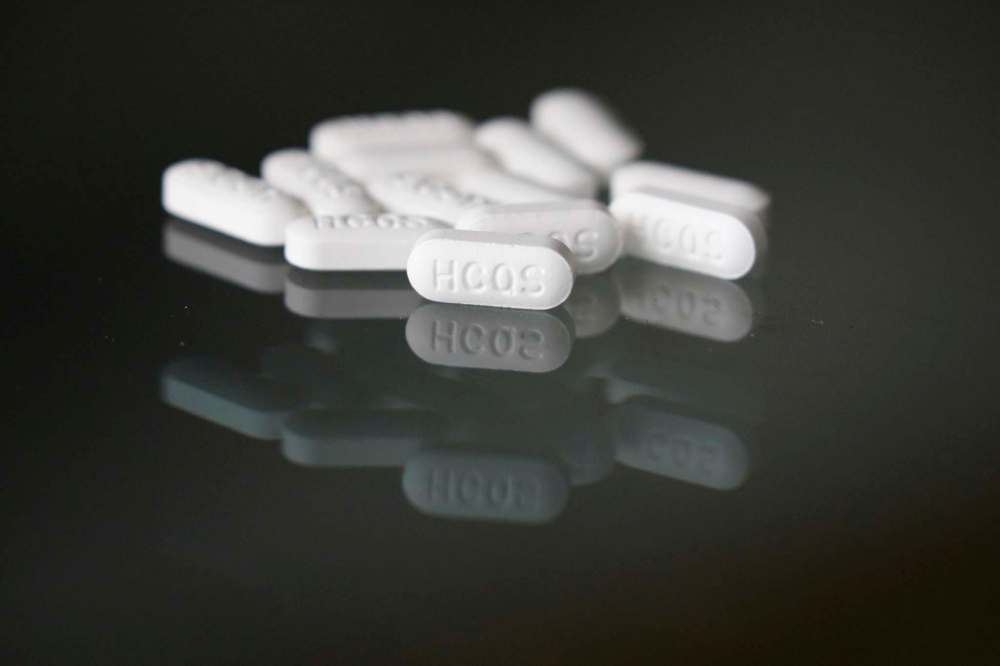
All four of those treatments were linked with a higher risk of dying in the hospital.
About one in 11 patients in the control group — who got none of the drugs — died in the hospital. About one in six patients treated with chloroquine or hydroxychloroquine alone died in the hospital.
About one in five treated with chloroquine and an antibiotic died and almost one in four treated with hydroxychloroquine and an antibiotic died.
But the findings will not derail a clinical trial based out of the University of Minnesota, the University of Manitoba and McGill University that will be considering if hydroxychloroquine is an effective prophylactic medication to be used by health-care workers who might come in contact with COVID-19 patients.
Lauren MacKenzie, the lead researcher at the University of Manitoba and an assistant professor of infectious diseases, said the Harvard-led study looked at a much different use of the drugs, in much different circumstances.
That research is what’s known as an observational study, which means researchers observe the effect of the treatment without trying to change who is or isn’t exposed to, MacKenzie told the Free Press in an email Friday.
That type of study is known to be subject to selection bias, “in that the control group and the intervention group are typically not the same, which is why the intervention group receives the intervention.”
Those who received the treatment were likely much sicker to begin with, she said.
The Minnesota-Manitoba-McGill study is a randomized control trial and will be following only healthy individuals who have not contracted COVID-19.
“One conclusion of this Lancet study from the author and the journal editors stated that ‘urgent randomized controlled trials are needed,’ which is precisely what our trial is,” MacKenzie said.
She said her clinical trial is not allowing anyone with a known heart arrhythmia to participate, which wasn’t the case in the study published Friday.

And the doses used in The Lancet study were also much higher, she said.
The medications gained notoriety when U.S. President Donald Trump endorsed them as treatment options before their effectiveness against COVID-19 had been tested by researchers.
Chloroquine is used to prevent or treat malaria. The related drug hydroxychloroquine is used as a treatment for auto-immune diseases, such as lupus and arthritis.
sarah.lawrynuik@freepress.mb.ca
Twitter: @SarahLawrynuik