

Province, Ottawa temporarily adding $5 to front-line caregivers’ hourly pay
Advertisement
Read this article for free:
or
Already have an account? Log in here »
To continue reading, please subscribe:
Monthly Digital Subscription
$1 per week for 24 weeks*
- Enjoy unlimited reading on winnipegfreepress.com
- Read the E-Edition, our digital replica newspaper
- Access News Break, our award-winning app
- Play interactive puzzles
*Billed as $4.00 plus GST every four weeks. After 24 weeks, price increases to the regular rate of $19.95 plus GST every four weeks. Offer available to new and qualified returning subscribers only. Cancel any time.
Monthly Digital Subscription
$4.99/week*
- Enjoy unlimited reading on winnipegfreepress.com
- Read the E-Edition, our digital replica newspaper
- Access News Break, our award-winning app
- Play interactive puzzles
*Billed as $19.95 plus GST every four weeks. Cancel any time.
To continue reading, please subscribe:
Add Free Press access to your Brandon Sun subscription for only an additional
$1 for the first 4 weeks*
*Your next subscription payment will increase by $1.00 and you will be charged $16.99 plus GST for four weeks. After four weeks, your payment will increase to $23.99 plus GST every four weeks.
Read unlimited articles for free today:
or
Already have an account? Log in here »
Hey there, time traveller!
This article was published 27/11/2020 (1964 days ago), so information in it may no longer be current.
Front-line workers caring for vulnerable Manitobans will receive a temporary hourly wage increase of $5, courtesy of the federal and provincial governments.
The $35-million Caregiver Wage Support Program is expected to assist 20,000 full- and part-time workers who earn less than $25 an hour, Families Minister Heather Stefanson said Friday.
Among those eligible for the benefit are health-care aides and housekeeping staff in long-term care facilities, group-home staff, child-welfare services workers, homeless shelter staff and people employed in women’s shelters.
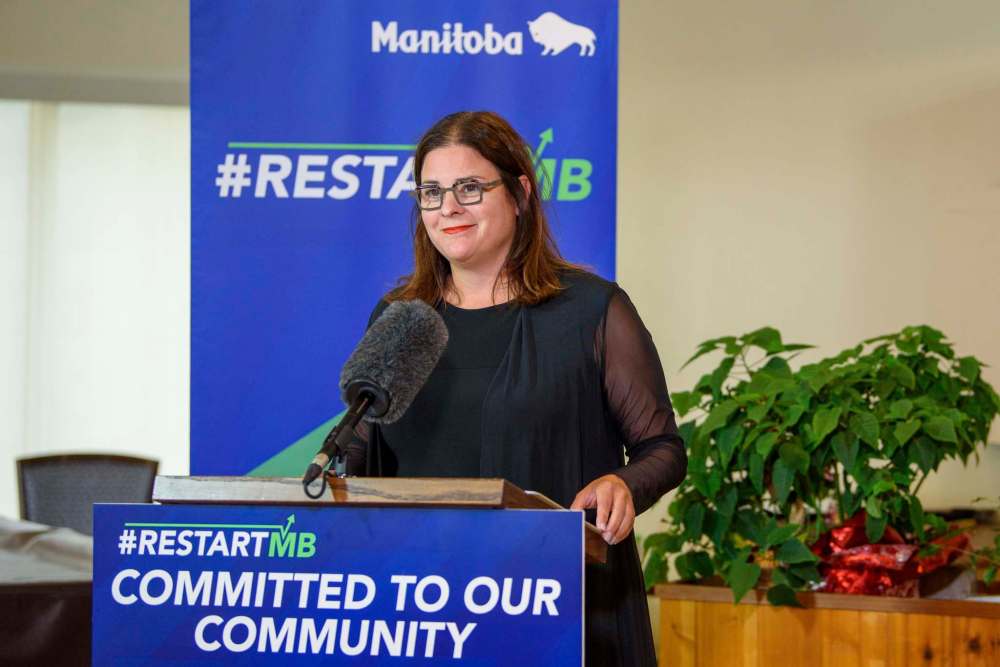
“Our front-line workers in these sectors are heroes in our community,” Stefanson said. “We need them now more than ever.”
The wage top-up will be based on the number of hours an employee works between Nov. 1 and Jan. 10.
The province is contributing $18 million to the program, Ottawa the remaining $17 million.
There will be two program-intake periods, the first closing Dec. 14 and the second on Jan. 18. Workers will receive the benefit directly from the province in the week after each intake period ends.
Eligible Manitobans working full-time will receive $1,800 over the next few months — $900 in the first intake period and $900 in the second— after taxes, Stefanson said.
“On a per-hour basis, this is one of the most generous wage-support programs across the country,” she said.
The temporary measure was welcomed by unions representing affected workers, but they said it does not address chronically low wages in the sector.
“We welcome the new program, as it recognizes the sacrifices front-line workers are making during the COVID-19 pandemic, but we are concerned that the benefit does not cover enough workers, does nothing to increase wages long term and does not cover sick-time pay,” said Abe Araya, president of CUPE Manitoba.
The union said it hopes the wage-support program will be extended beyond the announced period and expanded to help other workers, including those in home care, hospitals and community clinics. It said the program should also be amended to include sick days.
Kevin Rebeck, president of the Manitoba Federation of Labour, said while he’s glad to see the measure, the sector’s workers deserve a permanent wage hike.
“Our front-line workers risk their lives for us every day. They care for our loved ones, providing them vital health care and supports in so many ways. And this (provincial) government has continually failed those workers,” he said.
Public-sector workers have made no wage gains since the Progressive Conservatives were first elected in 2016, and the province’s minimum wage is now one of the lowest in Canada, Rebeck said.
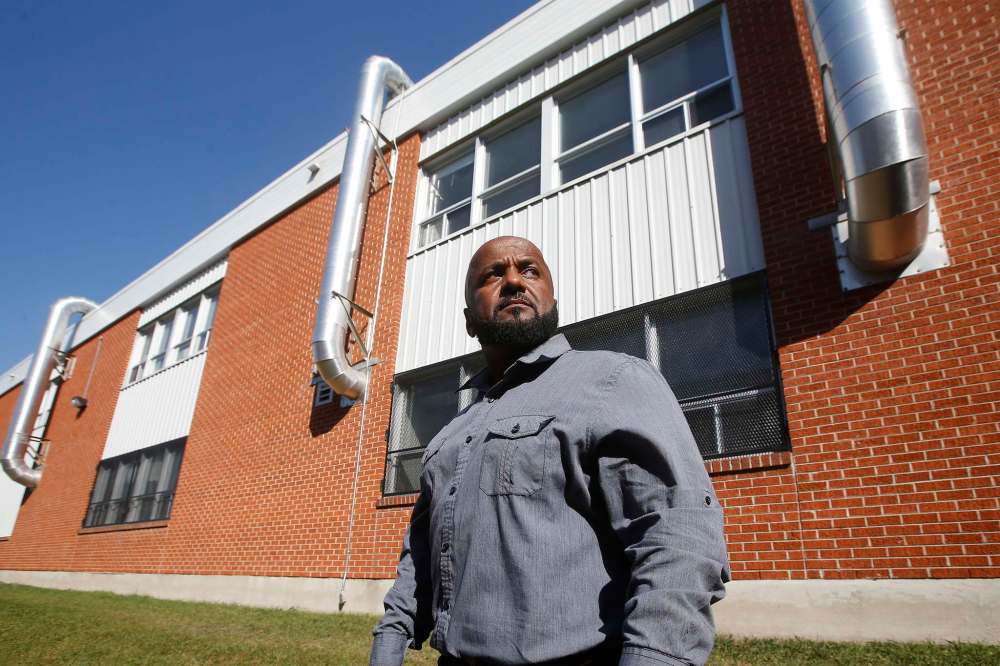
Deena Brock, provincial co-ordinator with the Manitoba Association of Women’s Shelters, said the program will be seen as much-appreciated recognition by workers.
“It’s hugely important because our staff are generally very low on the pay scale,” she said.
Provincially funded family violence shelters have not seen their grants increase in recent years, Brock noted, so salaries have remained static.
“The shelter system needs to be able to pay a competitive wage with benefits and offer a safe working environment with decent hours,” she said.

Meanwhile, Stefanson rejected suggestions that the program might encourage workers to go to work when they are ill. She said there are federal and provincial programs designed to compensate employees who need to be home because they’re sick.
What the program should do is encourage those who are not ill to take on extra hours, the minister said.
More information on the program, including how to register, can be found at https://manitoba.ca/covid19/programs/caregiver-wage-support.html.
larry.kusch@freepress.mb.ca