

HAMMERING HOME HIS POINT
Dave Schultz -- the ultimate goon -- wants fighting banned
Advertisement
Read this article for free:
or
Already have an account? Log in here »
To continue reading, please subscribe:
Digital Subscription
One year of digital access for only $1.44 a week*
- Enjoy unlimited reading on winnipegfreepress.com
- Read the E-Edition, our digital replica newspaper
- Access News Break, our award-winning app
- Play interactive puzzles
*Billed as $5.77 plus GST every four weeks. After 52 weeks, price increases to the regular rate of $19.95 plus GST every four weeks. Offer available to new and qualified returning subscribers only. Cancel any time.
To continue reading, please subscribe:
Add Free Press access to your Brandon Sun subscription for only an additional
$1 for the first 4 weeks*
- Enjoy unlimited reading on winnipegfreepress.com
- Read the E-Edition, our digital replica newspaper
- Access News Break, our award-winning app
- Play interactive puzzles
*Your next Brandon Sun subscription payment will increase by $1.00 and you will be charged $17.95 plus GST for four weeks. After four weeks, your payment will increase to $24.95 plus GST every four weeks.
Read unlimited articles for free today:
or
Already have an account? Log in here »
Hey there, time traveller!
This article was published 04/09/2011 (5379 days ago), so information in it may no longer be current.
SASKATOON — Dave (The Hammer) Schultz earned an NHL paycheque with two flying fists and a fearsome reputation.
Today, the former hockey enforcer thinks that type of player might be a dying breed — sometimes literally, given the tragic off-season deaths of Derek Boogaard, Rick Rypien and now Wade Belak.
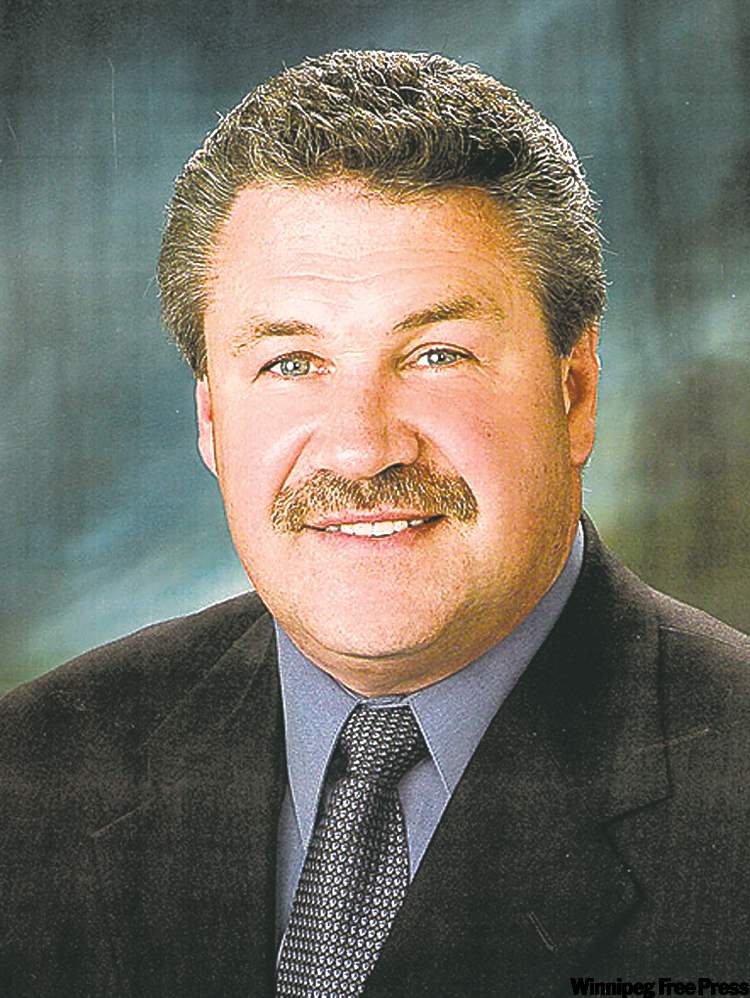
“(Fighting) will disappear one day,” Schultz, a native of Waldheim, Sask., predicted Thursday from his New Jersey home. “If they do fight, they’ll have to face stiffer penalties. Under the circumstances of what’s happening, particularly with the instigator rule, what’s the purpose? A little bit of entertainment?
“Guys getting their heads beat in? These guys watch how other guys fight, they watch video. You get hit by a punch from a guy who is 250 pounds and is trained to punch, you’re going to get hurt.”
The rash of deaths has led to speculation about the nature of hockey violence and its role in what ultimately happened to the three players — the effect of concussions and chronic pain, and whether it contributed to the NHL’s dark summer.
All three players were NHL enforcers who played junior hockey in Saskatchewan; they were all known for their fistic handiwork, and all three died young.
Boogaard died from what was ruled an accidental drug overdose. Rypien, who suffered from long-term depression, was found dead in his home. Belak, 35, committed suicide Wednesday in Toronto.
“I’ve read these articles today,” said Schultz, who recorded an NHL-record 472 penalty minutes in 1974-75. “Is it a coincidence that it’s those three guys, instead of Stevie Yzerman and three great players? I don’t know. Will it be looked into properly?”
Schultz said hockey is more violent now than when he played, even though fighting was commonplace in the 1970s. His Philadelphia Flyers won two Stanley Cups while carrying the “Broad Street Bullies” name tag.
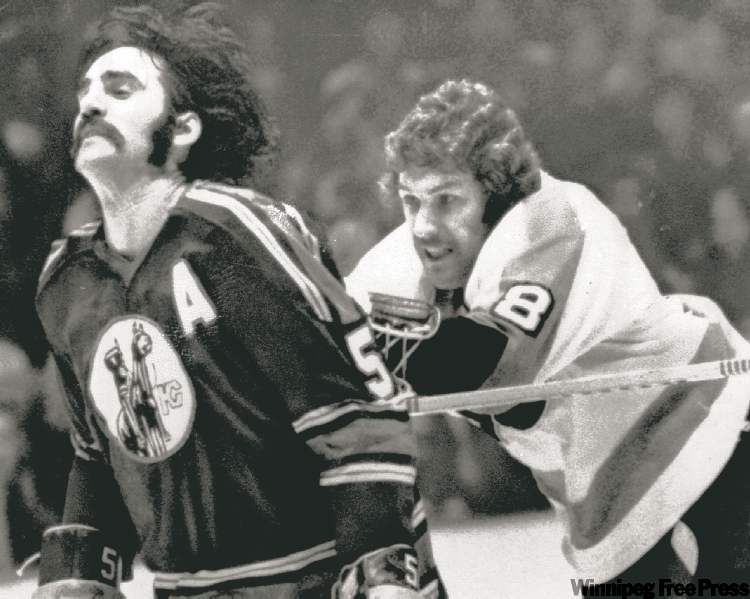
But Schultz said players are much bigger today, train at fighting, and “take certain drugs, something that ends in -oids. Nobody talks about it, nobody brings it up.
“If two guys got in a fight (in the 1970s), you know what injuries occurred? One of the guys got his feelings hurt,” Schultz added. “That’s about it. I couldn’t have hurt a guy with my fists. We weren’t that strong. It’s not like they are today — they’re so big. I was 195 pounds; I wasn’t 240 or 250. I was in Montreal, doing a show with Georges Laraque, and I said to him ‘You’re going to kill somebody — look at the size of you!’ It’s now a serious problem. Guys are getting concussions, getting their brains rattled by punches. Even when I fought Clark Gillies, he couldn’t hurt me. I guess he could have if he’d hit me right… but it’s different (now).”
Schultz, who played without a helmet, said he suffered just one concussion during his career — that when Terry O’Reilly elbowed him in the head while he perched in the slot. He calls it “a mild concussion” and says he didn’t miss a game.
He wonders if crackdowns on hooking and holding have sped the game up too much, creating new problems in the process.
“Guys come flying in there and nobody’s holding them up, and guys are getting hit hard,” he said.
He also ponders whether eliminating the instigator penalty might cut back cheap shots and impromptu blows to the head.
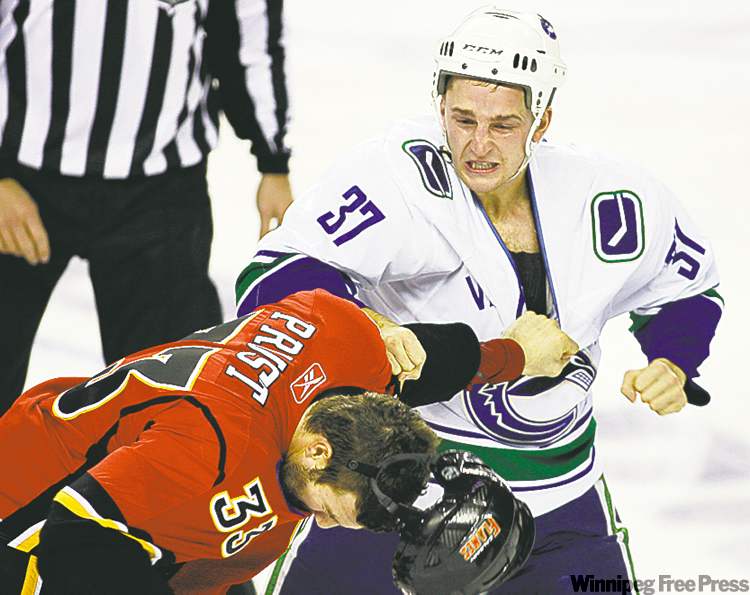
“With the instigator rule, you don’t need fighting,” Schultz said. “You have to have it choreographed, almost. Not many players are willing to go after somebody who just did something. Get rid of the instigator rule, and then see how things work. See if guys take cheap shots at some of the players. You’ll have Georges Laraque looking down at you, and you just might want to change your underwear. And, you might not do it at all.”
Schultz — who collected 2,294 penalty minutes during 535 NHL regular-season games — responds in the affirmative when asked whether he could do today what he did in the 1970s, especially given his relatively small frame. What he’d do, he says, is play at 210 pounds instead of 195, and train for speed.
He had a 20-goal season in the NHL, so he figures he could hold his own on the puck-management side of things.
But he stresses that with the added size of players today, the game carries extra dangers for just about everybody.

“Sometimes little guys do fight, and they get beat up,” he said. “I know a guy a couple of years ago who got a concussion in the American (Hockey) League, next day got called up to the NHL, and what was he going to say? I have a concussion? No. He went up and got beat on again. There’s guys who are taking a beating. If a big guy can hit hard enough, he’ll rattle his brain.”
And, given all that, Schultz understands the need to hash out what’s happened this summer, and what’s going to happen with the game in the future.
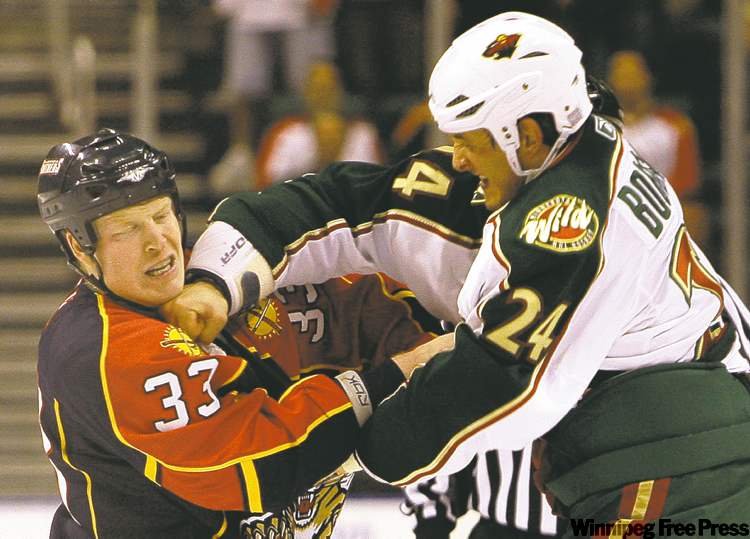
“There’s a lot of issues, but I’m so far removed from the game,” he said. “You see players getting hurt, affecting their careers, and it’s something to talk about.”
— Postmedia News