

A look back at ‘slanguage’ trends of 2021 with an eye to what’s next
Advertisement
Read this article for free:
or
Already have an account? Log in here »
To continue reading, please subscribe:

Digital Subscription
One year of digital access for only $205*
- Enjoy unlimited reading on winnipegfreepress.com
- Read the E-Edition, our digital replica newspaper
- Access News Break, our award-winning app
- Play interactive puzzles
*First annual payment billed as $205.00 + GST for one year. This annual subscription will automatically renew at $233.00 + GST every 52 weeks (10% off the regular annual price of $259.35). Offer available to new and qualified returning subscribers only. Cancel any time.
To continue reading, please subscribe:
Add Free Press access to your Brandon Sun subscription for only an additional
$1 for the first 4 weeks*
- Enjoy unlimited reading on winnipegfreepress.com
- Read the E-Edition, our digital replica newspaper
- Access News Break, our award-winning app
- Play interactive puzzles
*Your next Brandon Sun subscription payment will increase by $1.00 and you will be charged $17.95 plus GST for four weeks. After four weeks, your payment will increase to $24.95 plus GST every four weeks.
Read unlimited articles for free today:
or
Already have an account? Log in here »
Hey there, time traveller!
This article was published 05/01/2022 (1700 days ago), so information in it may no longer be current.
Slanguage trends — youth-inspired phrases, slogans, hashtags and emojis that have viral impact across platforms such as TikTok, Instagram and Twitch — are continually evolving, said trend expert Carly Stojsic.
“Their themes are reflective of where culture and society are at,” Stojsic said. “It’s clear that IRL themes of mass-polarization and social issues affecting our communications and communities are driving new slanguage.” She says the launch of new platforms and technology accelerates slanguage evolution, both in how fast new things are adopted and old things are dropped.
The term twin flames, for example, became part of the vernacular when Megan Fox and Machine Gun Kelly continually used it to describe their whirlwind relationship and deep connection. Twin flames describes an intense soul connection with someone who reflects everything good and bad from within you.
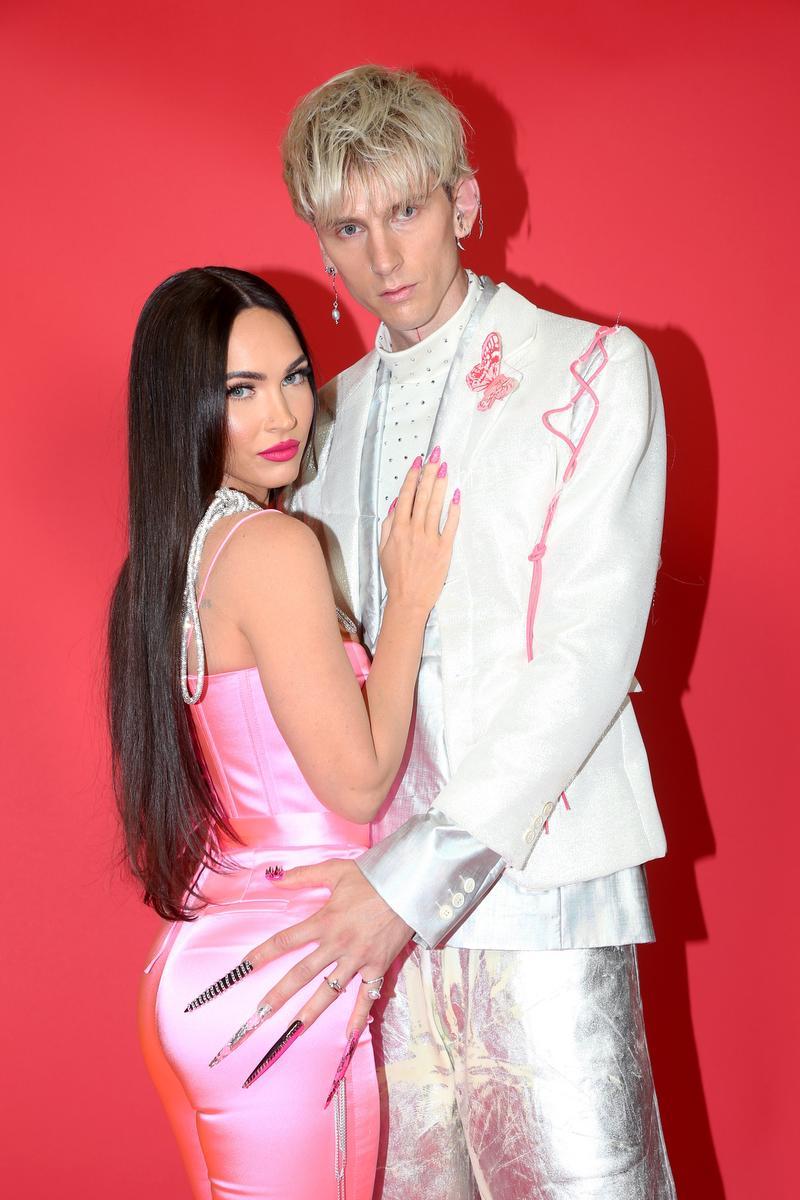
Thanks to this couple using it in interviews and Instagram (IG) posts, we’re suddenly interested in what a twin flame is, how it differs from a soul mate and how to know if you’ve found your twin flame.
“Flipping,” or “to flip,” which can also be expressed merely by posting a steak emoji — made popular by Amanda Hirsch of @NotSkinnyButNotFat, an IG personality and podcaster — means that you’re flipping back and forth about your gut feeling about something.
Hirsch, for example — who documents pop culture gossip on her IG stories — will post a story about a celeb or couple she’s a fan of and then when they do something she finds off-putting, she’ll post her signature, telltale steak emoji on top of another story, to signify her change of heart.
In a recent end-of-year segment on E! News Snapchat show “The Rundown,” Hirsch introduces herself and says, “And like a steak, I flip,” then makes the sizzle sound a steak makes. She goes on to say that though she’s the number one “Kravis stan” (biggest fan of celeb couple Kourtney Kardashian and Travis Barker) she admits there are moments that make her question. “The foot fetish, made me flip you guys,” Hirsch said.
Shipping or “to ship” someone, which can also be expressed with the cruise ship emoji — another Hirsch favourite — means you approve of someone’s relationship. She posts the emoji when posting about new celeb couples with a new or post offering insight into their relationships.
Language learning app Babbel, has a team of experts studying social media’s influence on language. They say Gen Z has created their own culture of slang words.
Some examples from their research:
- Vibe check, to assess the vibe someone gives off. For example: “She cut in front of me in line. She did not pass the vibe check”;
- Main character, a TikTok trend that encourages you to romanticize and idolize yourself as the main character in your own life;
- Panini, another TikTok trend, that has users develop nicknames for the pandemic to cope during difficult times. Other examples include panoramic, panorama, pantaloon;
- And “periodt,” which is used to emphasize the end of a statement.
“While some phrases, like lives in my mind rent-free, can be attributed to our sheer exhaustion over calamitous events over the last 19 months, this one touches on bandwidth,” Stojsic said. “It references the need to find room in our brains to welcome delightful and surprising aspects of life.”
She thinks in a different, earlier age, we wouldn’t be framing phrases the same way. “We’re trying to find more positive ways to reframe our narratives and experiences, both personally and collectively. This is all part of normalizing change,” Stojsic said.
Given the recent daily onslaught of polarization and conflict, she says a term like “periodt” (mostly used as an interjection to signal the end of a discussion or to emphasize a point) can feel like the new “talk to the hand.”
“It’s more campy but shares the same vibe of punctuating an argument. And we’ve had a lot of these online,” Stojsic said. Popular slanguage tends to be adopted when the sentiment is almost universal.
Stojsic says it’s incumbent on younger generations to incorporate terms into their conversation with their elders with definitions, actually giving them the green-light to use it, rather than boomers awkwardly trying to pepper them into conversations to induce connection, which can be cringey, she says. So maybe hold off on telling your son that you “ship” his relationship with his new girlfriend if you’re a big fan of theirs.
In terms of, well, terms we can expect to emerge in 2022, Taylor Hermerding, a linguistic expert at Babbel said FOQA, (fear of quarantining again) and FOAL (fear of another lockdown), to spring into use as Ontario enters another lockdown.
“This prediction is based on FODA, the acronym that stands for fear of dating again, a term invented early in 2021 to describe anxiety and fear felt by those people who had been single and unable to date since the pandemic began,” Hermerding said.
From a trend forecasting perspective, Stojsic said, “Youth culture doesn’t linger on trends for very long, so get ready for a whole new bag of slanguage in the coming months.”
Jen Kirsch is a Toronto-based writer and a freelance contributor for the Star. Follow her on Twitter: @jen_kirsch