

Friendly Cuba soaked in history
11-city tour reveals varied tapestry
Advertisement
Read this article for free:
or
Already have an account? Log in here »
To continue reading, please subscribe:
Digital Subscription
One year of digital access for only $75*
- Enjoy unlimited reading on winnipegfreepress.com
- Read the E-Edition, our digital replica newspaper
- Access News Break, our award-winning app
- Play interactive puzzles
*Billed as $5.77 plus GST every four weeks. After 52 weeks, price increases to the regular rate of $19.95 plus GST every four weeks. Offer available to new and qualified returning subscribers only. Cancel any time.
Monthly Digital Subscription
$4.99/week*
- Enjoy unlimited reading on winnipegfreepress.com
- Read the E-Edition, our digital replica newspaper
- Access News Break, our award-winning app
- Play interactive puzzles
*Billed as $19.95 plus GST every four weeks. Cancel any time.
To continue reading, please subscribe:
Add Free Press access to your Brandon Sun subscription for only an additional
$1 for the first 4 weeks*
- Enjoy unlimited reading on winnipegfreepress.com
- Read the E-Edition, our digital replica newspaper
- Access News Break, our award-winning app
- Play interactive puzzles
*Your next Brandon Sun subscription payment will increase by $1.00 and you will be charged $17.95 plus GST for four weeks. After four weeks, your payment will increase to $24.95 plus GST every four weeks.
Read unlimited articles for free today:
or
Already have an account? Log in here »
Hey there, time traveller!
This article was published 16/01/2010 (5967 days ago), so information in it may no longer be current.
(Graphic artist Leesa Dahl attended the 29th annual tourism fair in Havana, Cuba. FITCuba is an important event in the Cuban tourism industry and this year, more than 200 journalists from all over the world took part in a week-long,11-city tour of the island.)
VARADERO
The sun has already gone to bed when Cubana Airlines Flight 183 from Toronto touches down at the Aeropuerto Internacional Jaun Gualberto Gomez in Varadero. Airport personnel are wearing surgical masks to ward off the infectious H1N1 influenza. But since all flights out of Mexico are banned from landing here, they’re all likely in the clear.
It’s a Saturday night on the largest island in the Antilles, and while inching along the blackened tarmac I’m invited by some fellow travellers to join them at the popular Hotel Internacional, a dynamic continental cabaret that features a nightly dinner, show and disco. I’m tempted, but it’s very late and, by the time our shuttle bus reaches the all-inclusive Villa Cuba Hotel on Las Americas Avenue, a surly hotel clerk is single-handedly checking in busloads of weary travellers.
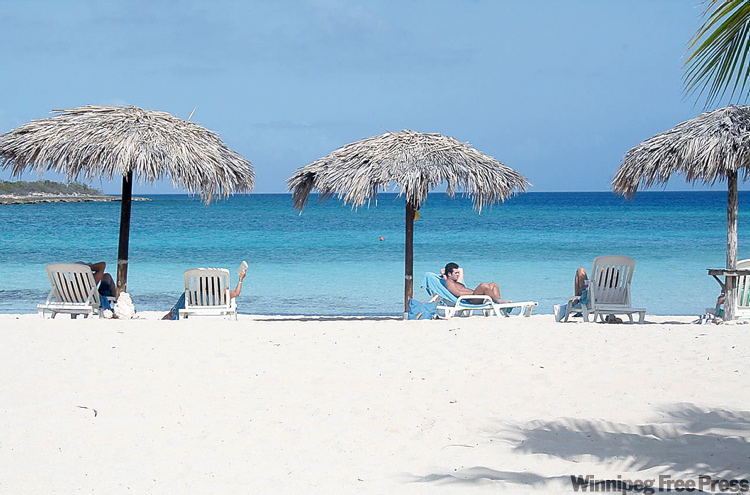
Sleep doesn’t come, so the next morning while the folks at Cuba Tourism are busy tracking down an English-speaking tour guide for our group of journalists, I resolve to take a leisurely stroll down to the beach. This is Varadero, after all, and I’ve been told that the 18-kilometre stretch of land between the Bay of Cardenas and the Nicholas Channel of the Atlantic Ocean is something to see.
Indeed! The white sand beaches along this breathtaking stretch of the Gulf of Mexico go on… and on… and on. And with little else to do, I roam aimlessly down its shore for nearly three blissful hours. In retrospect, they would be the last relaxing moments I would see for a week.
Where to stay: Villa Cuba Hotel, Las Americas Avenue: A friendly, relaxed all-inclusive resort on the beaches of Varadero. Go to: www.cuba.tc/Varadero/VillaCuba.html or e-mail cubacon@enet.cu
If you can drag yourself off the wondrous beach, be sure to jump aboard a two-story Varadero Beach Tour tourist bus to get a taste of the entire Hicacos Peninsula. A shuttle bus runs daily from 9 a.m. to 9 p.m.
MATANZAS
The next day, after an exquisite lunch at the deluxe Barcelo Solymar Hotel, we’re informed that our scheduled walking tour of the colonial “City of Bridges” has been downgraded to a quick bus excursion through its city streets.
No worries! I grab a window seat and brace myself for an astonishing hour-and-a-half journey to Cuba’s second-largest province.
Matanzas is located 32 kilometres west of Varadero and is considered the country’s most industrialized city. Due to the intensive development of sugar plantations during the colonial era, it still maintains a strong African tradition.
“Spanish colonizers brought Africans here to work in the sugar plantations,” explains Julia Alvarez, our well-informed, English-speaking tour guide who joined us on our tour bus a day earlier.
These days, the sugar plantations that dot the countryside are for local use only and as a result, the country’s largest industry continues to be tourism.
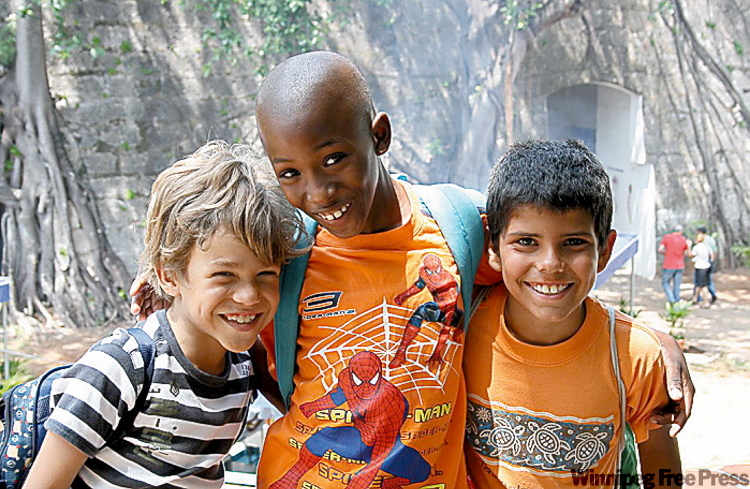
All the same, we pass by curious Cuban children who wave cheerfully at the side of the roads during our vehicular tour of Matanzas, and later catch a quick glimpse of Cuba’s shimmering Matanzas Bay, a 600-metre-deep inlet that serves as a port for Venezuelan oil tankers. It’s simply spectacular!
Afterward, we continue east along Cuba’s Central Highway, a 1,126-kilometre stretch of roadway that runs from the western province of Pinar Del Rio to Santiago de Cuba, the second-most populated province on the island’s east side. It is also the same thoroughfare that carries us across the Puente de Bacunayagua, a 110-metre-high bridge that connects Matanzas to our next destination.
HAVANA
There are no fewer than three million people living in Cuba’s capital, an historic city that is under extensive repair since the onslaught of Hurricane Paloma in 2008.
They’re slowly rebuilding this town on the southern coast, but since the U.S. severed diplomatic ties with Cuba way back in 1961, the country continues to suffer from unusual travel-industry constraints and disadvantages.
“Every year we deal with natural disasters like hurricanes and influenza,” says Marrero Cruz, a former army colonel who was recently appointed the country’ minister of tourism.
He says that despite anti-Cuban campaigns from the States, his country continues to progress and develop. For instance, Cuba’s 18 tourism schools are turning out a high level of industry workers. “Airport services are now competitive and the country recently developed its first 18-hole golf course in Varadero,” says Cruz.
Where to stay: Hotel Cubanacan Comodoro: A charming bungalow complex in the trendy Miramar district.
SANTA CLARA
It’s nearing noon at the historic Che Guevara Revolutionary Square in Santa Clara City, a charming village located in the most central region of the country. The mercury has already reached 33 C here at this towering concrete mausoleum, a momentous memorial that was erected in the late ’80s to commemorate the Argentinean revolutionary who helped overthrow Cuba’s oppressive dictatorship.
It’s a fascinating tribute to the charismatic Cuban hero who, more than four decades after his execution, still merits a four-hour documentary on his contentious life.
REMEDIOS
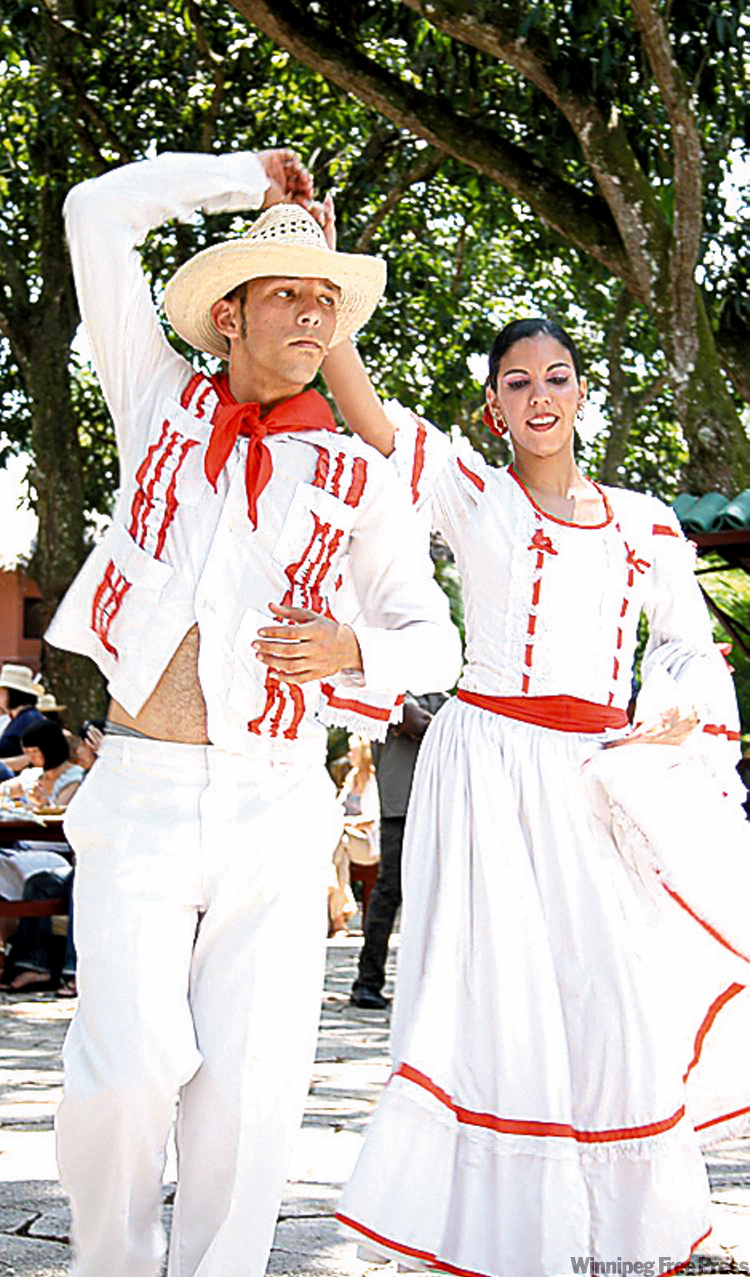
Soon after, we come across a party at the Plaza Marti in Remedios It’s supposed to take place in December, but on this scorching afternoon in May the Spanish-speaking folks of Remedios have graciously agreed to re-enact the annual Las Parrandas de Remedios for a group of sluggish journalists, most of whom are humbled by the ambitious display of dazzling costumes, traditional Cuban music and dance.
Like other Cuban cities, the people here are exceptionally warm and welcoming. And when a young Cuban boy in the crowded street stops me to ask where I am from, he offers a friendly, flirtatious remark: “You are beautiful.”
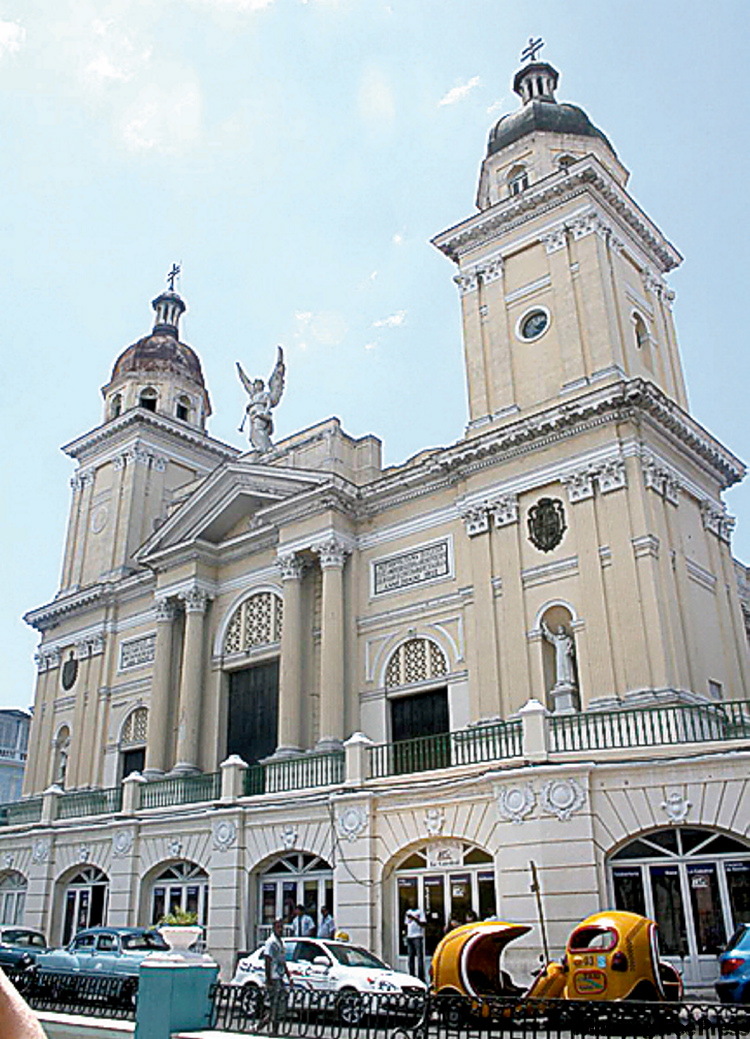
Plaza Marti (named for the Cuban national hero who fought against the threat of United States expansion into Cuba) is the only square in Cuba that is surrounded by two churches: the Iglesia San Juan Bautista de Remedios and Iglesia Buen Viaje.
Outside the square lies a network of dusty, unpaved streets, each lined with rows upon rows of traditional colonial homes.
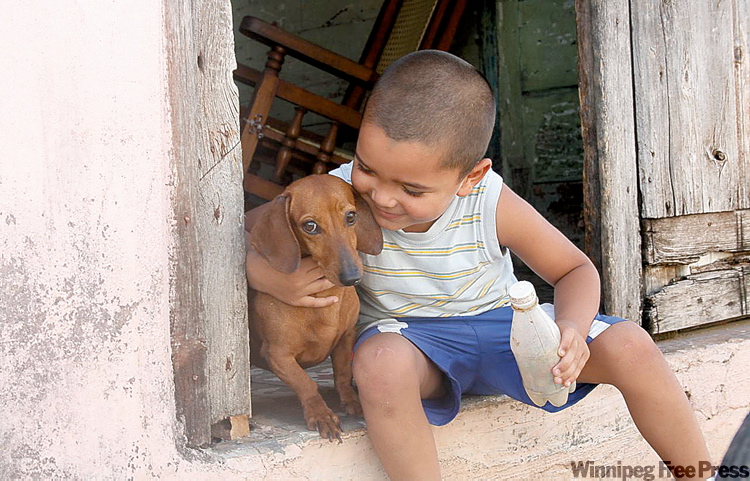
Cuba’s eighth-oldest city is also home to the country’s oldest bar. The open-air Café El Louvre faces the town’s charming centre and serves delightfully refreshing mohitos.
CIENFUEGOS
Far too soon, we say adios to Remedios and, as our bus heads south through Cuba’s lush interior, we pass countless thatched-roof dwellings that are home to thousands of impoverished Cuban families.
We’re told that more than 11 million Cubans are living in casas made of concrete blocks, flagstone or wood. Some, like those found in Havana’s affluent El Vedado neighborhood, are detached houses while most are substandard units composed of separate rooms. In these cuarterias, occupants often share some or all of the facilities.
An hour-and-a-half later, we arrive at the southern coast of Cuba where the sultry sun is slowly setting on a captivating little maritime town dubbed The Pearl of the South.
French settlers from Louisiana founded the city of Cienfuegos in 1819, making it Cuba’s youngest city. Situated on the Caribbean Sea nearly 250 kilometres east of Havana, Cienfuegos boasts a picturesque port, a historical castle and a very well-preserved historical centre. Here you’ll find the El Palatino Bar-Cafeteria, a roomy open-air cafe renowned for its refreshing Palatino, a flavorful green cocktail made with pineapple, mint and a shot of Havana Club No. 3 rum.
TRINIDAD
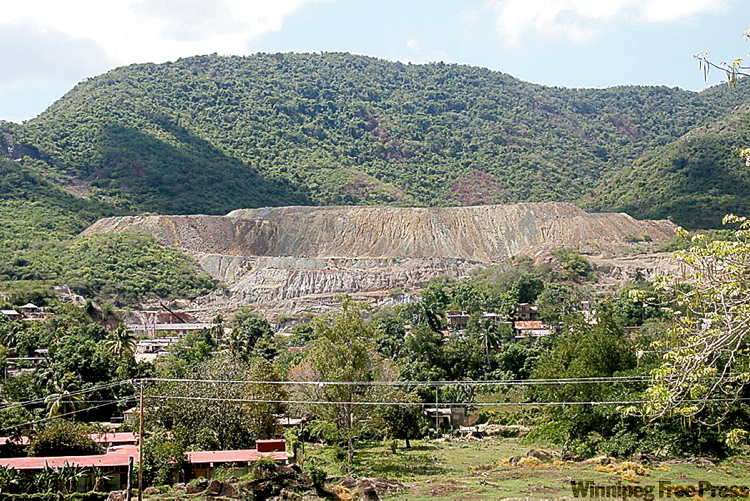
It’s after midnight when we pull into this 500-year-old colonial city. Needless to say, we’re famished and dinner at the Hotel Brisas Trinidad Del Mar is splendid.
Outside, late-night walking tours along the darkened cobblestone streets are offered but at this point, it’s nearly impossible to exult in the pastel-coloured, Spanish colonial architect that this city is famous for.
Where to stay: Ancon Hotel: An all-inclusive three-star resort in Ancon Beach.
CAMAGUEY
The next morning, our bus sets out precisely at 8:30 a.m. We’re in for a bleary-eyed three-and-a-half-hour journey to the nation’s third-largest city but en route, Alvarez enlightens us with a few fascinating details on the country’s controversial food-rationing system.
Libreta de Abastecimiento is designed to provide all households with the minimum quantity of food and supplies. It was implemented in 1962, she says.
“With a Cuban Card, everyone receives rice, beans, meat, chickens, eggs, sugar, milk and coffee. And you’re given this every month whether you are working or not,” she says.
When we arrive in Camaguey, we’re told that because of the old city’s intricate street network many visitors here go astray. In fact, the layout looks a lot like a maze, and we’re told that the narrow, short streets are what distinguish Camaguey from other Cuban cities.
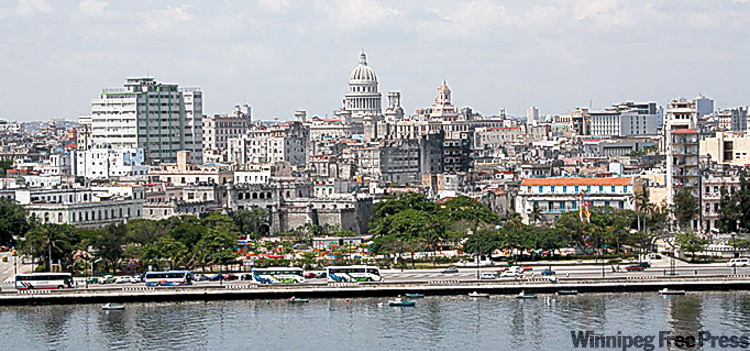
Historically, the city was rebuilt after continuous attacks from pirates. It was determined that a confusing layout with winding alleys and forked streets would make it easier to defend. Sadly, I return with no visual record of this lovely village because someone on our bus has accidentally taken my camera.
BAYAMO
The residents and horses of Cuba’s second-oldest city are waiting patiently when our tour bus arrives nearly four hours late. We’re behind schedule, again, but the folks here are ostensibly unbothered. Cheerfully, they escort hundreds of journalists through their narrow streets by horse and buggy, a deeply rooted Bayamo tradition.
The nighttime jaunt begins at the Plaza de la Revolucion, the heart of the city, and passes by the Plaza del Himno Nacional, a city square named for the inaugural playing of the national anthem. It’s dark, but the small south-eastern city is bustling with cheering children and waving cyclists. The horse-and-buggy ride comes to an end at the city’s modern pedestrian zone. Paseo, or The Boulevard, is six exquisite blocks of restaurants, museums, ice-cream parlours and shops.
SANTIAGO DE CUBA
The story here goes that some 400 years ago, a statue of the Virgin Mary was found floating off the coast of Cuba. A pair of Indians and a slave boy rescued the statue, which was said to be perched on a board with the inscription “I am the Virgin of Charity.”
Since that time, Chachita has been ascribed countless Cuban miracles, including the emancipation of slaves in 1731.
These days, the Virgin of Charity statue sits in an ornate church at the top of a hill in El Cobre, a small mining town about 19 kilometres outside of Santiago de Cuba.
Be wary of overzealous vendors on the way up the hill, and be sure to exit at the church’s rear to get a snapshot of the magnificent surrounding landscape. The Sierra Maestra of El Cobre is the highest mountain range in Cuba and runs westwards toward the city of Niquero.
Where to stay: Melia Santiago de Cuba. Go to: www.melia-santiagodecuba.com <http://www.melia-santiagodecuba.com/> or e-mail melia.Santiago@solmeliacuba.com
HOLGUIN
We’re heading north toward Hotel Playa Pesquero, one of Holguin’s many four- and five-star beach hotels, when our trusty tour bus breaks down. We’re let off in front of the Calixto Garcia Park, a small city park where hundreds of locals wait for one of the city’s many “Camel buses.”
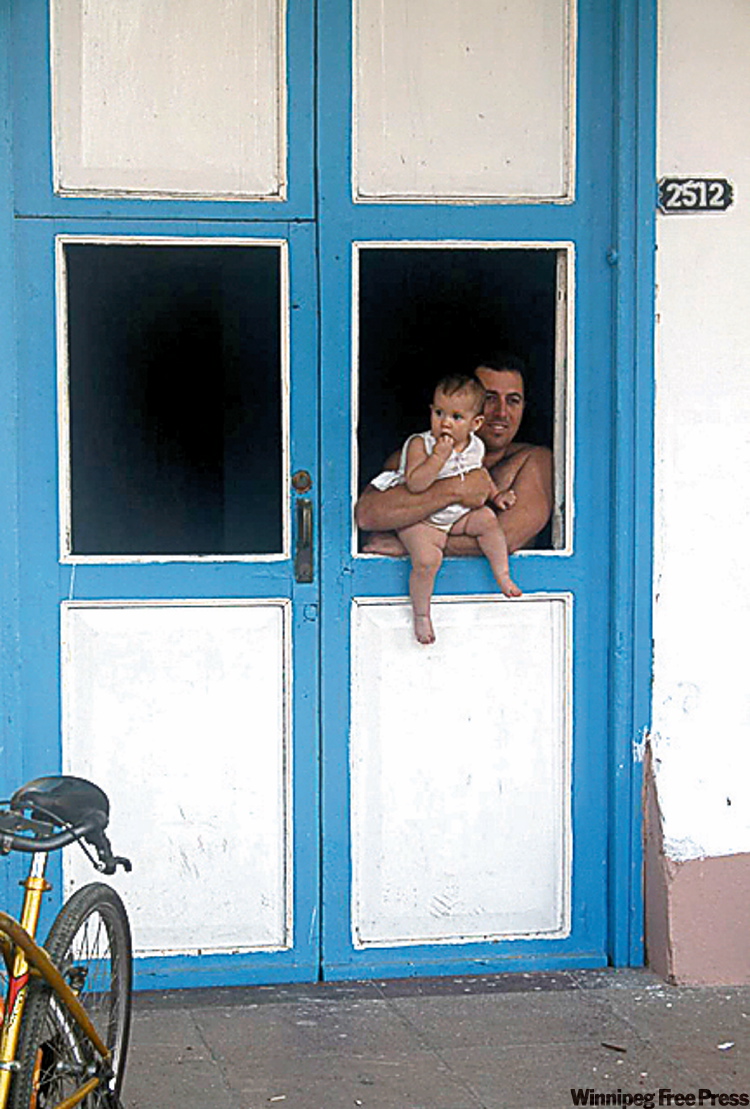
I’m convinced that Cuba’s fourth-largest province is definitely its loveliest. And with its close proximity to the Atlantic Ocean, this town should definitely give Varadero beachgoers a run for their money.
Where to stay: Hotel Play Pesquero, a top quality five-star beach resort on the coast of the Atlantic Ocean. E-mail: jefe.ventas@ppesquero.tur.cu