

Castles, caves and magic
Land of King Arthur and his knights steeped in 6th century mystery
Advertisement
Read this article for free:
or
Already have an account? Log in here »
To continue reading, please subscribe:
Monthly Digital Subscription
$1 per week for 24 weeks*
- Enjoy unlimited reading on winnipegfreepress.com
- Read the E-Edition, our digital replica newspaper
- Access News Break, our award-winning app
- Play interactive puzzles
*Billed as $4.00 plus GST every four weeks. After 24 weeks, price increases to the regular rate of $19.95 plus GST every four weeks. Offer available to new and qualified returning subscribers only. Cancel any time.
Monthly Digital Subscription
$4.99/week*
- Enjoy unlimited reading on winnipegfreepress.com
- Read the E-Edition, our digital replica newspaper
- Access News Break, our award-winning app
- Play interactive puzzles
*Billed as $19.95 plus GST every four weeks. Cancel any time.
To continue reading, please subscribe:
Add Free Press access to your Brandon Sun subscription for only an additional
$1 for the first 4 weeks*
*Your next subscription payment will increase by $1.00 and you will be charged $16.99 plus GST for four weeks. After four weeks, your payment will increase to $23.99 plus GST every four weeks.
Read unlimited articles for free today:
or
Already have an account? Log in here »
Hey there, time traveller!
This article was published 21/05/2011 (5431 days ago), so information in it may no longer be current.
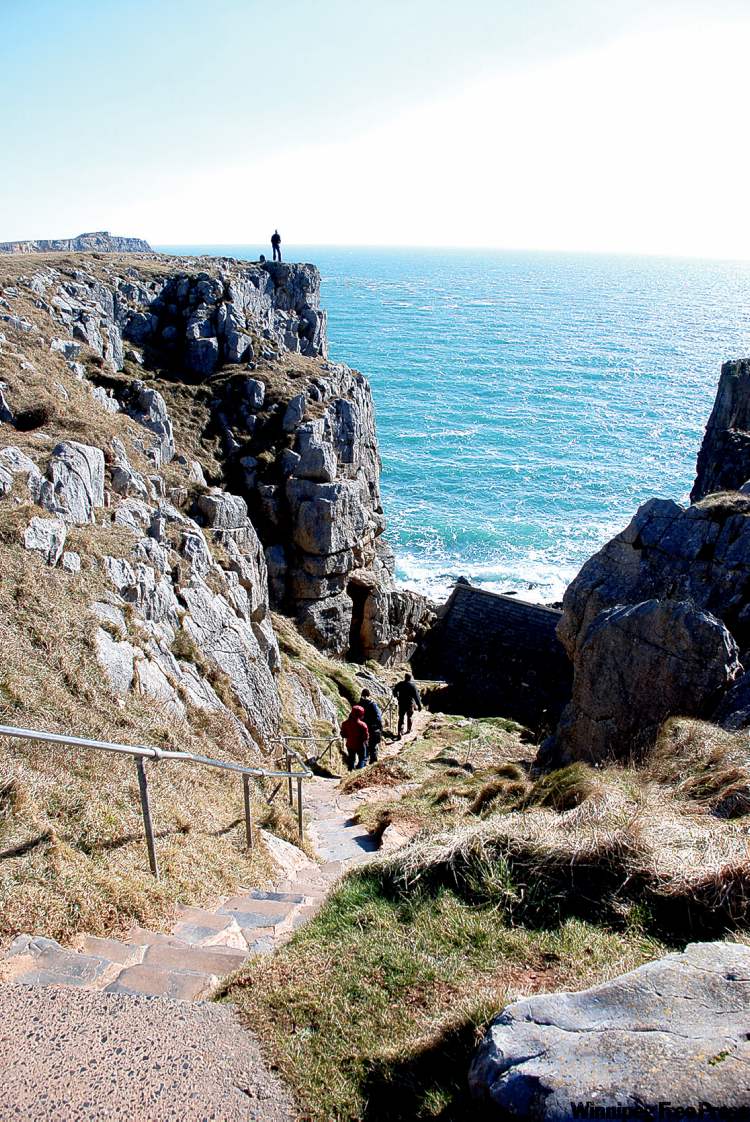
Legend has it that if you walk inside the tomb at St. Govan’s Chapel in Wales and turn around without touching the walls, your wish will be granted.
Situated on the southernmost point of Britain’s Pembrokeshire coast, St. Govan’s Chapel dates to about the 13th century, with parts of the structure dating to as early as the 6th century AD. It was on this windswept point in the 6th century that Sir Gawain — nephew of legendary King Arthur and one of Knights of the Roundtable — is said to have retired and lived as a hermit following Arthur’s death. His body may have been buried on the site and some believe it is he who grants the wishes.
The United Kingdom is steeped in history and legend but none are more compelling than those relating to King Arthur and his Knights of the Round Table. For centuries, people have attempted to discover the exact location of such legendary Arthurian sites as the city of Camelot and Camlan, the site of Arthur’s last battle. So much myth and legend surrounds these stories that some question whether the sites truly exist in this world, while others claim to know their exact locale.
One thing is certain — exploring the land of Arthur is an adventure that captures the imagination of young and old alike.
St. Govan’s Chapel
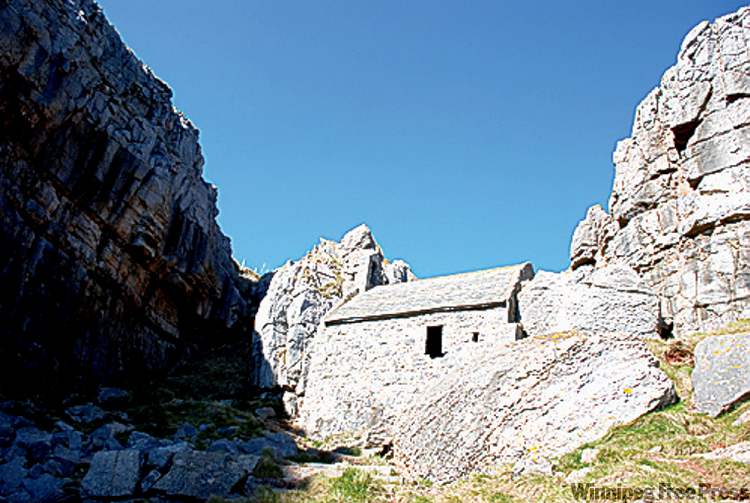
St. Govan’s Chapel is situated on a beautiful and desolate stretch of land on the Pembrokeshire Coast of Wales, about 120 kilometres west of the capital city of Cardiff. The tiny stone chapel measures only 3.5 metres by 5.5 metres and is nestled between craggy cliffs along the coast. A flight of worn stone steps leads down to the ancient stone chapel where you can test out the legend of the chapel’s ability to grant wishes.
Llyn Dinas
Located north of Beddgelert in the Nant Gwynant Pass in Wales, Llyn Dinas is a mountain lake that is said to be the site of a great battle between Owein, one of Arthur’s greatest warriors and a giant. It is also the site where usurper King Vortigern is said to have hidden the throne of Britain. You can search for evidence of the hidden throne as you enjoy a walk around the lake.
Arthur’s Seat
Once a site of military action in the 6th century, the large hill that rises 250 metres above the city of Edinburgh as part of Holyrood Park has been known as Arthur’s Seat for centuries. There is some speculation as to whether it is named for King Arthur or just a local hero who happened to bear the same name, but regardless the spot offers an incredible view of the countryside and the sea to the east.
Edinburgh Castle also factors into several Arthurian tales and in at least one it was said to have been occupied by seductive women who tempted knights who passed by.
Merlin’s Cave
Tennyson once described a scene where the infant Arthur was carried on waves towards a distant shore where Merlin plucked him from the water and carried him safely to shore.
Local legend has associated some caves near the Tintagel Cliffs in Cornwall, England with this scene. These caves fill with water at every high tide and seem to be the kind of place you might expect a great wizard to hide.
Cadbury Castle
Once an ancient castle, Cadbury is today an isolated limestone and sandstone hill in Somerset, England. The summit is 150 metres above sea level and commands a stunning view of the countryside. What sets this site apart from so many others in England is the fact that Cadbury is one of the best known of the possible Camelot sites. According to the writings of a sixteenth century expert on British history, the town and castle that once stood at this site was known as Camelot. Recent archeological evidence has uncovered fortifications dating to the 6th century — the time of Arthur.
IF YOU GO
More Great Sites: For more information on the legends and sites associated with King Arthur and the Knights of the Round Table, visit: www.kingarthursknights.com.