

Saimyoji temple endured ‘flames of war’
Main hall constructed during the Kamakura period a designated national treasure
Advertisement
Read this article for free:
or
Already have an account? Log in here »
To continue reading, please subscribe:
Monthly Digital Subscription
$1 per week for 24 weeks*
- Enjoy unlimited reading on winnipegfreepress.com
- Read the E-Edition, our digital replica newspaper
- Access News Break, our award-winning app
- Play interactive puzzles
*Billed as $4.00 plus GST every four weeks. After 24 weeks, price increases to the regular rate of $19.95 plus GST every four weeks. Offer available to new and qualified returning subscribers only. Cancel any time.
Monthly Digital Subscription
$4.99/week*
- Enjoy unlimited reading on winnipegfreepress.com
- Read the E-Edition, our digital replica newspaper
- Access News Break, our award-winning app
- Play interactive puzzles
*Billed as $19.95 plus GST every four weeks. Cancel any time.
To continue reading, please subscribe:
Add Free Press access to your Brandon Sun subscription for only an additional
$1 for the first 4 weeks*
*Your next subscription payment will increase by $1.00 and you will be charged $16.99 plus GST for four weeks. After four weeks, your payment will increase to $23.99 plus GST every four weeks.
Read unlimited articles for free today:
or
Already have an account? Log in here »
Hey there, time traveller!
This article was published 02/06/2018 (2873 days ago), so information in it may no longer be current.
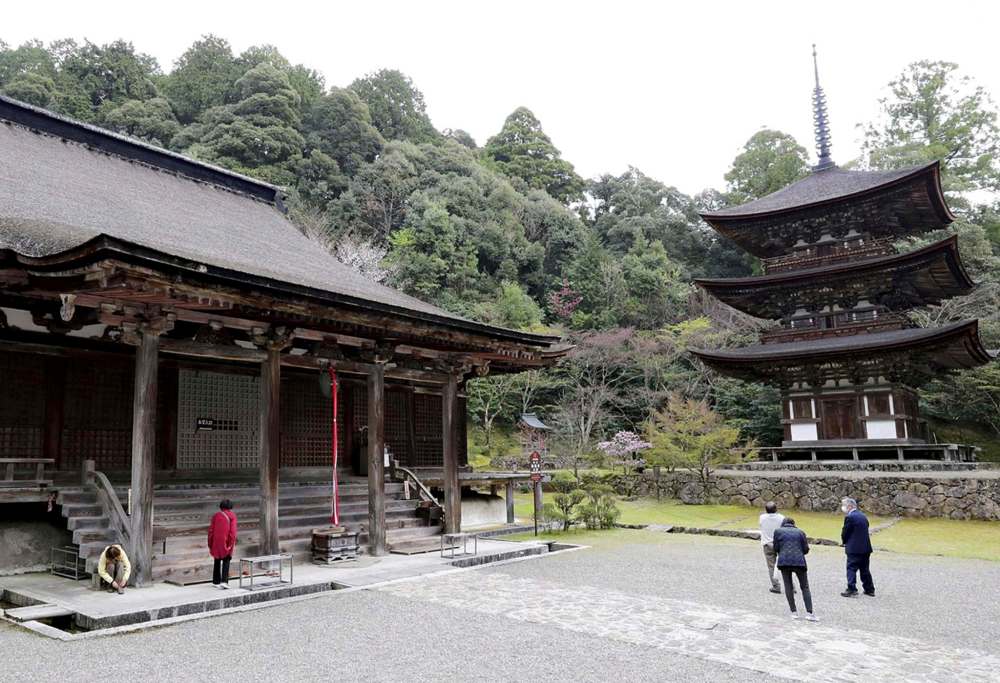
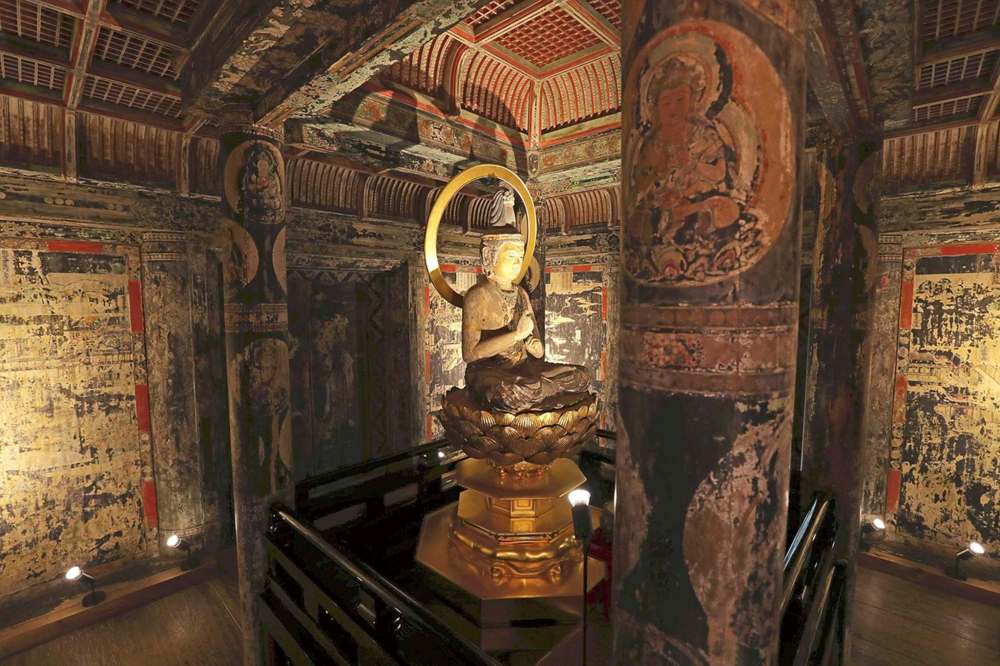
KORA, Japan — Visitors may feel as if they are looking at a 3D mandala upon entering Saimyoji temple in Kora, Shiga Prefecture. The first storey of a three-storey pagoda at the temple depicts the world of Buddha through richly coloured murals and paintings of Bosatsu (Bodhisattva) and other Buddhist icons.
The pagoda, a designated national treasure, was constructed during the Kamakura period (late 12th century to early 14th century). I recently visited the temple to take in the world of Buddha and see the pagoda for myself before it was closed to the public earlier this month.
Saimyoji was founded in 834 and is one of the three Koto Sanzan temples east of Lake Biwa. The other two, Kongorinji in Aisho and Hyakusaiji in Higashiomi, are nearby. All three are associated with the Tendai sect of Buddhism. According to historical documents, the temple prospered during the medieval period when it had 17 main buildings and 300 residential facilities for monks.
Upon entering the three-storey pagoda, I was overwhelmed by the dazzling display of colours. A massive Dainichi Nyorai Buddha statue is seated on a shumidan dais in the centre of the space, with the dais’s four corner pillars each decorated with eight images of Bosatsu. The ceiling is grid-patterned and adorned with images of flowers painted with gold, vermilion and other bright colours.
The four walls also display eight murals that each depict an important scene from the Hokekyo, or Lotus Sutra, which is important to the Tendai sect. The wooden doors and beams running between the pillars are also decorated with paintings of a bird inhabiting the Pure Land and an imaginary flower called a hosoge, among other images.
The paintings, however, have peeled considerably, which was perhaps inevitable given they are 700 years old. I understand why they are designated as an important cultural property and are recognized separately from the pagoda building itself.
Saimyoji faced its greatest crisis in 1571, when the mighty warlord Oda Nobunaga dispatched an army to the temple after destroying Hieizan Enryakuji, the headquarters of the Tendai sect in present-day Otsu.
All of the temple’s buildings burned to ashes except for the pagoda, the main hall and the Nitenmon gate. The main hall was built during the Kamakura period, while the gate was constructed during the Muromachi period (early 14th century to late 16th century). Today, the main hall is designated as a national treasure and the gate as an important cultural property.
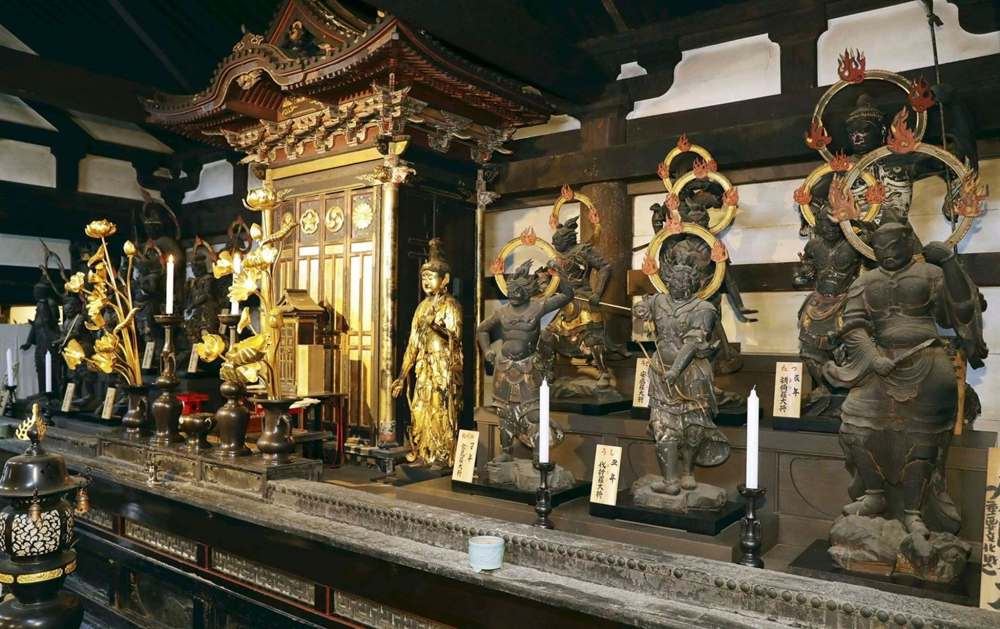
Legend has it that the temple priests themselves burned a large amount of firewood to create the impression that the entire temple grounds were ablaze, discouraging Nobunaga’s army from continuing its attack.
“It’s a miracle the vivid colours of the murals remain even after enduring the flames of war,” said Eisho Nakano, 60, the temple’s chief priest.
Many in Oda’s awesome army were likely in awe of Buddha and did not want to burn down the elegant buildings and paintings, Nakano said. “I believe they pretended to be deceived and withdrew before attacking.”
Nakano’s explanation made sense as I observed these great treasures for myself. The army really must have been reluctant to destroy them. Thanks to this miracle and good fortune, people today can appreciate the murals depicting the world of Buddha, which have been objects of faith since medieval times.
A group of Buddhist statues enshrined in the main hall’s rear area will be open to the public from July 1 to Sept. 30. For details, call the temple at 0749-38-4008.
— Japan News