

Castles and culture
Dig deep into northeast Germany and celebrate Chemnitz
Advertisement
Read this article for free:
or
Already have an account? Log in here »
To continue reading, please subscribe:

Digital Subscription
One year of digital access for only $205*
- Enjoy unlimited reading on winnipegfreepress.com
- Read the E-Edition, our digital replica newspaper
- Access News Break, our award-winning app
- Play interactive puzzles
*First annual payment billed as $205.00 + GST for one year. This annual subscription will automatically renew at $233.00 + GST every 52 weeks (10% off the regular annual price of $259.35). Offer available to new and qualified returning subscribers only. Cancel any time.
To continue reading, please subscribe:
Add Free Press access to your Brandon Sun subscription for only an additional
$1 for the first 4 weeks*
- Enjoy unlimited reading on winnipegfreepress.com
- Read the E-Edition, our digital replica newspaper
- Access News Break, our award-winning app
- Play interactive puzzles
*Your next Brandon Sun subscription payment will increase by $1.00 and you will be charged $17.95 plus GST for four weeks. After four weeks, your payment will increase to $24.95 plus GST every four weeks.
Read unlimited articles for free today:
or
Already have an account? Log in here »
Hey there, time traveller!
This article was published 04/05/2024 (865 days ago), so information in it may no longer be current.
It’s deep, it’s dark, it’s eerie, it’s fun.
It’s 100 metres down the shaft at the Sauberg Mine in Ehrenfriedersdorf, Germany.
We’ve arrived at this incredible subterranean Ore Mountains destination on the same cable-car elevator that tin miners used to take to work.
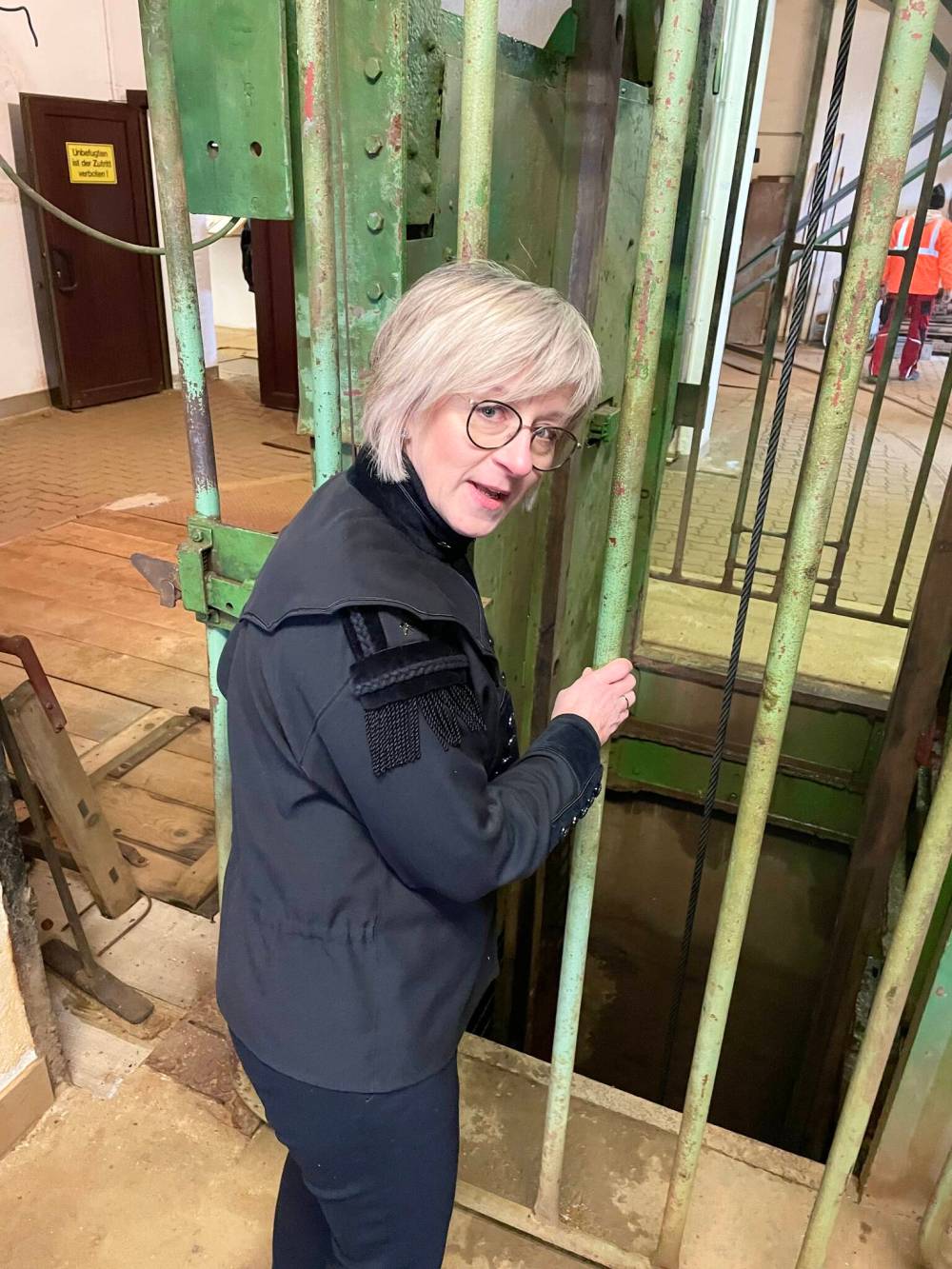
Mayor Silka Franzl looks down the elevator shaft that takes tourists down 100 metres at the Sauberg Mine,
But, since the mine was abandoned in 1990 and eventually reopened as an attraction, it’s tourists who now descend to the depths in this specialized cage elevator operated by a motor attached to a massive, noisy spool of burly, braided metal cable.
In the mine shaft tourists can wander around in the murk, ride a small tram and even have a play at drilling for tin ore.
It’s a unique way to give tourists a thrill and teach them about the Chemnitz region’s colourful mining history and culture.
After all, mining, even if it’s now defunct, is part of Chemnitz’s culture and Chemnitz has earned the European Union’s esteemed European Capital of Culture title for 2025.
Chemnitz, population: 250,000, was also the host city for this year’s Germany Travel Mart, a huge conference for the country to promote itself to media and tour operators.
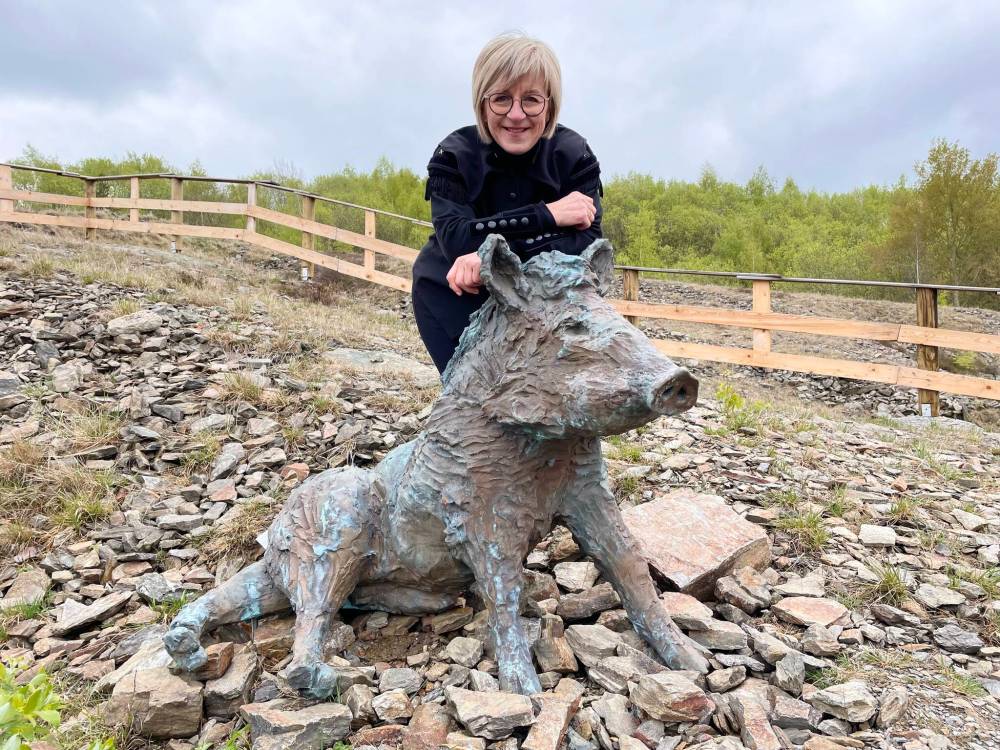
Mayor Silka Franzl with a sculpture of the pig that sniffed out the first tin at the mine site.
As well, it was an opportunity for Chemnitz to show off what it has and what it has planned for its reign as European Capital of Culture.
Besides plunging 100 metres toward the Earth’s core, that also means 1,000 events and 120 projects throughout the year from castle visits, reflecting on its East Germany history, a myriad of sculpture installations, concerts, art exhibitions and festivals (including a chocolate one, yum), car races, wine, sports, opera, ballet, high tech and small business.
“It’s an invitation for everyone to come here and leave some of their money,” said Veronika Hiebl from the Chemnitz 2025 Committee with a laugh.
“Our motto is: C the Unseen, and up to now Chemnitz is the unseen, waiting to be discovered.”
The European Capital of Culture title can go two ways — to a famous destination like Amsterdam, Athens or Glasgow or to a lesser-known city that wants to put itself on the map like Graz, Austria or Mons, Belgium.
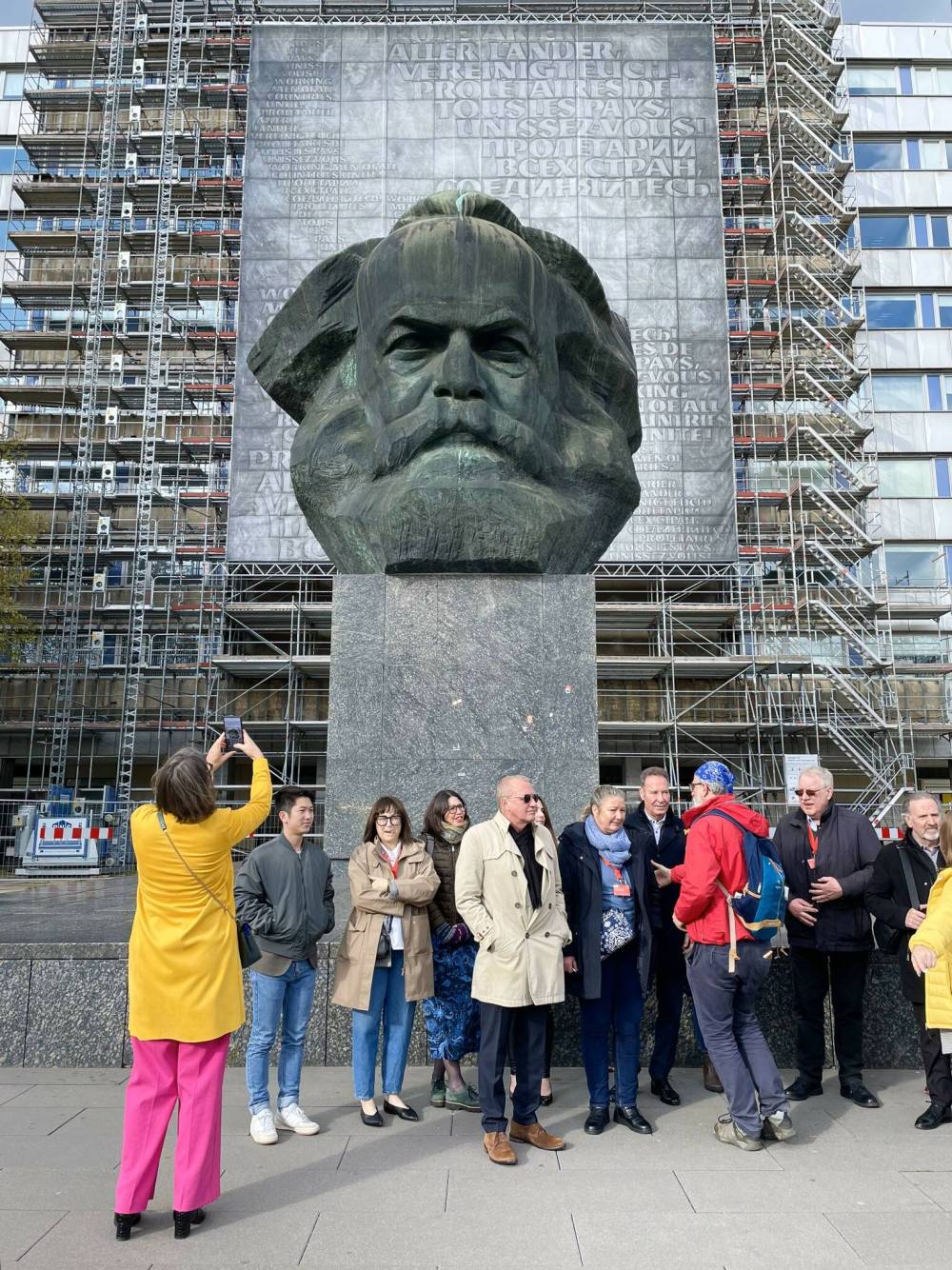
The Karl Marx Monument is Chemnitz’s most famous landmark.
When the region was part of East Germany from post-Second World War 1948 to German reunification in 1989 when the Berlin Wall fell, Chemnitz’s name was changed by the socialist party to Karl-Marx-Stadt to honour the communist philosopher and economist.
Karl Marx never actually visited Chemnitz, but a 40-ton, bronze bust sculpture of him 7.1 meters high on a 4.5-metre platform remains the city’s most famous landmark.
Germany is literally littered with castles — 25,000 across the nation and hundreds of them in Saxony surrounding Chemnitz.
In German, the word for castle is ‘schloss.’
So, we went schloss hunting with Chemnitz-Zwickau-Region marketing manager Benjamin Schreiter, who did double-duty as guide on the Valley of Castles tour.
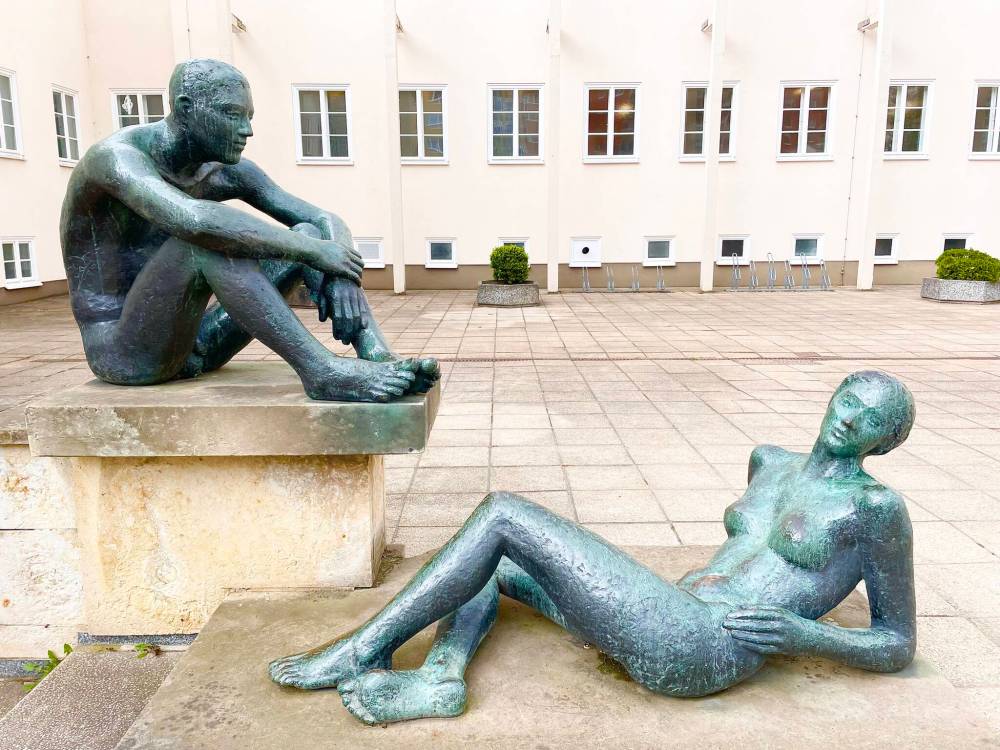
The Bronzene Paar (Bronze Pair) statues lounge at the entrance to the Stadtbad public swimming pool in Chemnitz.
We hit up three castles — the former residence of the Schonburg-Waldenburg princes, Schloss Waldenburg; a former summer home of the Prince of Saxony, Schloss Rochlitz; and the former seat of the Count of Schonburg, Schloss Rochburg.
Rather than being the setting for the shenanigans of aristocracy, the castles today are regal tourist attractions where you can dine and drink Riesling at on-site restaurants, see a concert, host a conference or get married.
“Castles are not relics of the past, but vibrant hubs of cultural activity,” said Schreiter.
“So, this area has been well-positioned for centuries as a cultural capital and being the European Capital of Culture next year helps put a label on it.”
Chemnitz is located in northeastern Germany, a one-hour train ride from the nearest airport in Leipzig or a five-hour train from the international hub of Frankfurt.
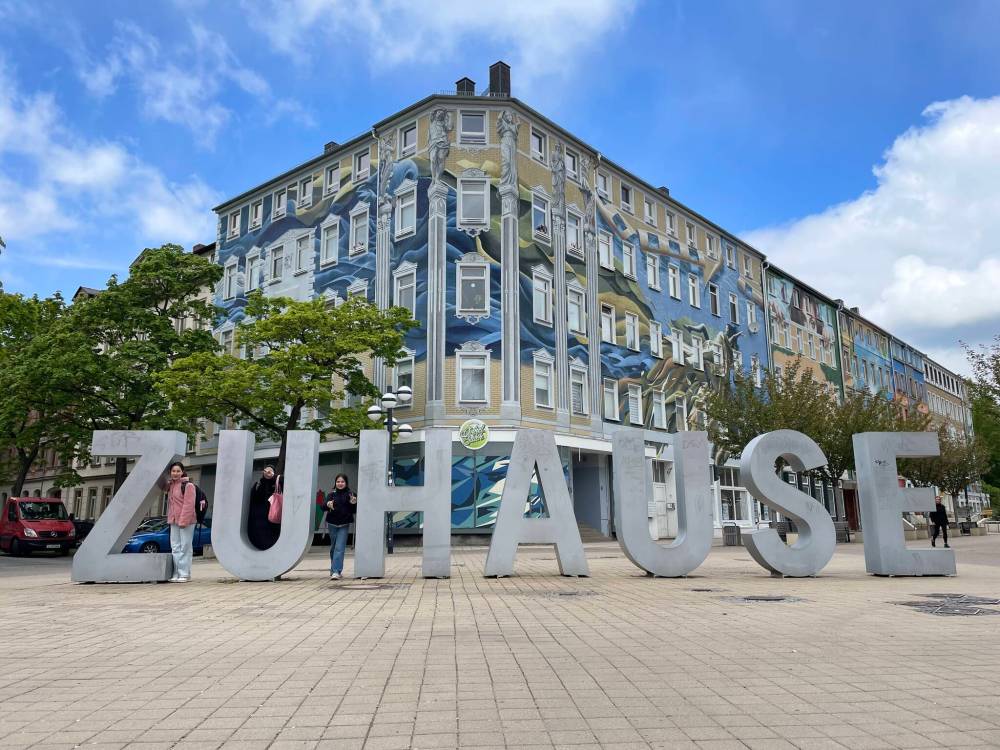
The Zuhause (at home) sign used as part of Chemnitz’s bid to be the European Capital of Culture.
Lufthansa, Air Canada and Condor fly between the German cities of Frankfurt and Munich and the Canadian cities of Vancouver, Calgary, Toronto, Montreal and Halifax.
Check out www.germany.travel.
smacnaull@nowmediiagroup.ca
Supplied
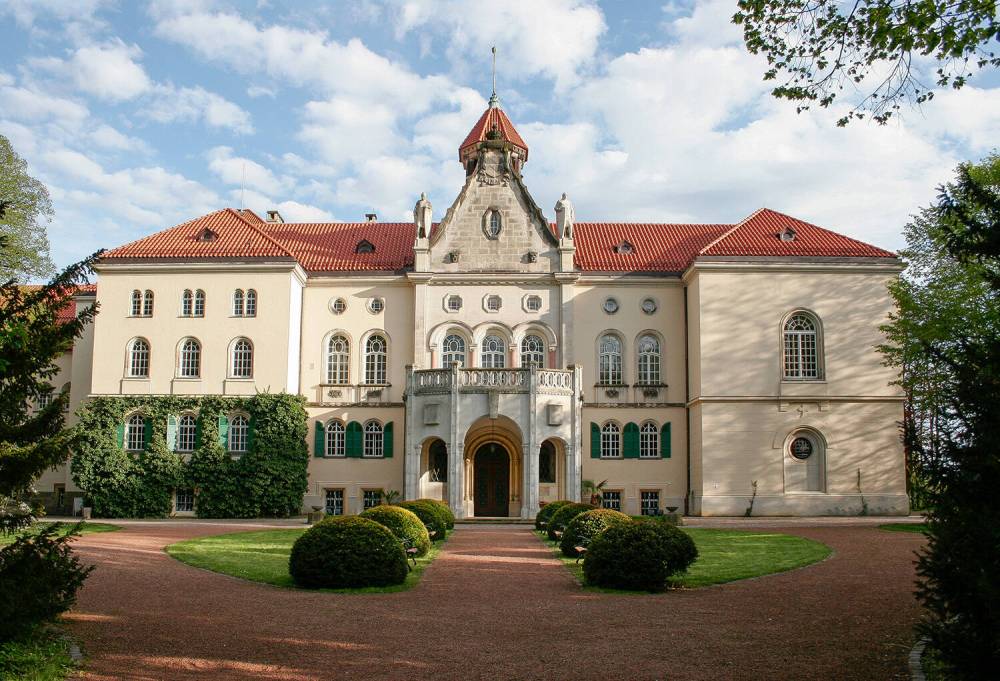
Castle Waldenburg was the former home of the Schonburg-Waldenburg princes.
Supplied
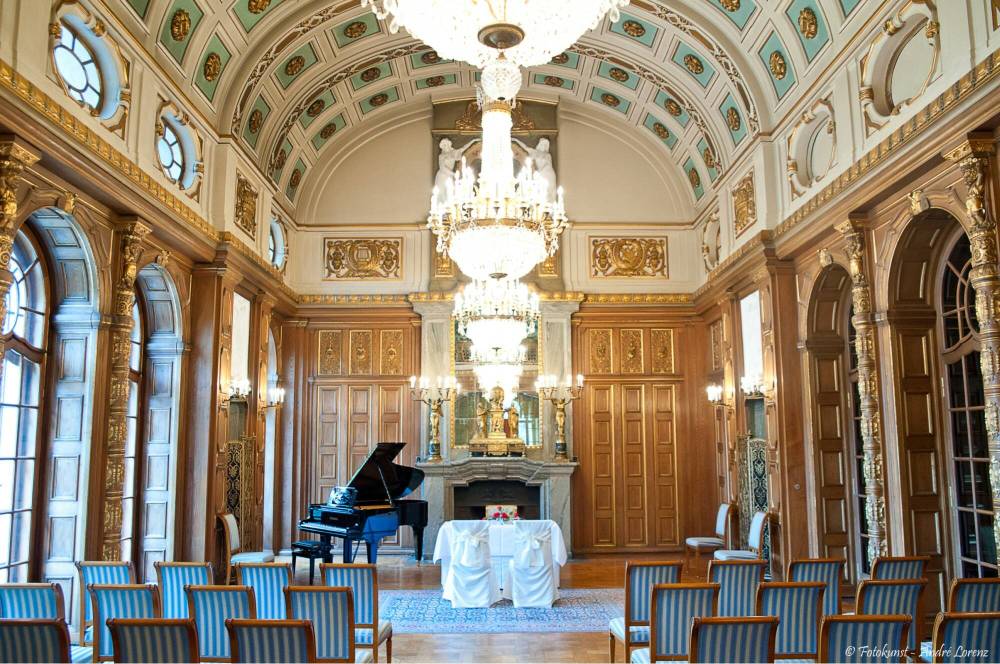
Castle Waldenburg is now a multi-purpose venue for tours, weddings, conferences, concerts and banquets.