

A magical mystery tour
Modern-day pilgrimage takes you through the early years of English musicians
Advertisement
Read this article for free:
or
Already have an account? Log in here »
To continue reading, please subscribe:
Digital Subscription
One year of digital access for only $1.44 a week*
- Enjoy unlimited reading on winnipegfreepress.com
- Read the E-Edition, our digital replica newspaper
- Access News Break, our award-winning app
- Play interactive puzzles
*Billed as $5.77 plus GST every four weeks. After 52 weeks, price increases to the regular rate of $19.95 plus GST every four weeks. Offer available to new and qualified returning subscribers only. Cancel any time.
To continue reading, please subscribe:
Add Free Press access to your Brandon Sun subscription for only an additional
$1 for the first 4 weeks*
- Enjoy unlimited reading on winnipegfreepress.com
- Read the E-Edition, our digital replica newspaper
- Access News Break, our award-winning app
- Play interactive puzzles
*Your next Brandon Sun subscription payment will increase by $1.00 and you will be charged $17.95 plus GST for four weeks. After four weeks, your payment will increase to $24.95 plus GST every four weeks.
Read unlimited articles for free today:
or
Already have an account? Log in here »
Hey there, time traveller!
This article was published 03/08/2019 (2632 days ago), so information in it may no longer be current.
If you are into pop-culture tourism, a.k.a. “Location Vacation,” and are fans of the Beatles, Elton John and Queen, there’s no better time to walk in their footsteps than now.
And the place to take a modern-day pilgrimage in memory of these music legends is Great Britain, where it all began.
All three are once again receiving extensive media coverage thanks to three movies that recently hit cinemas — Yesterday, which reimagines a world without the Beatles; the Elton John biopic Rocketman; and the Oscar-winning Bohemian Rhapsody, which tells the story of Queen.
The destinations these music icons were known to have frequented have strong emotional ties for many, with some of the spots withstanding the test of time.
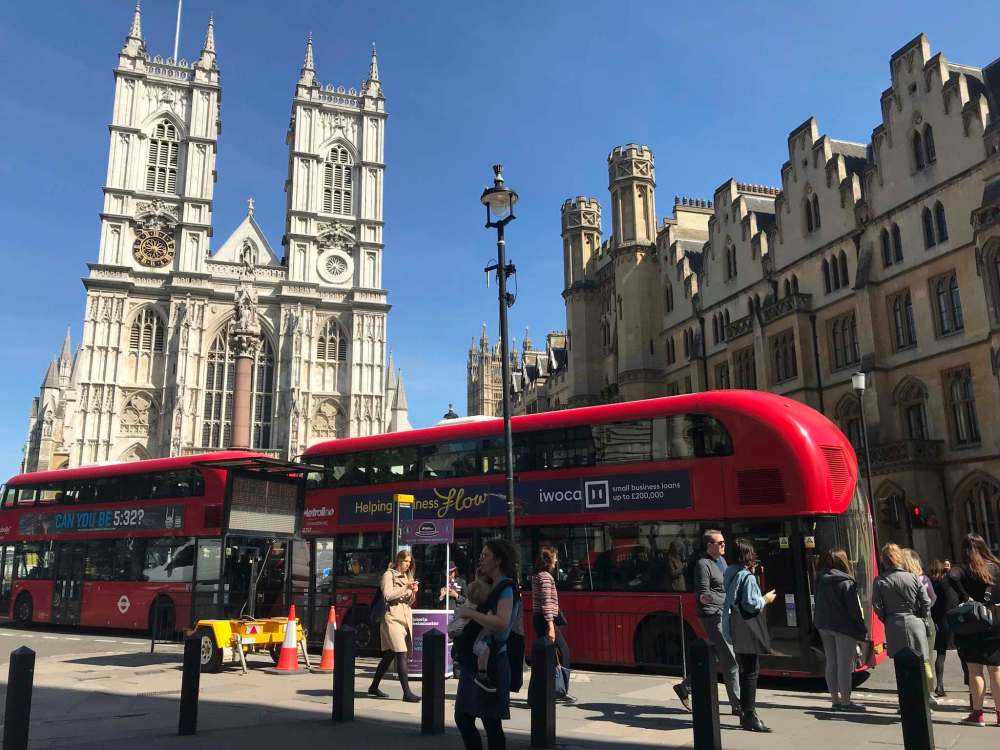
Take Abbey Road in London, for instance.
It will be 50 years this September since the Beatles released Abbey Road, the classic album whose cover features the Fab Four walking across the street in front of Abbey Road Studios.
Fans have continued to flock to this famous crossing, causing mayhem for motorists as they take turns darting into traffic to literally walk in their idols’ footsteps. And while many fans will also try to leave their mark by writing on the stone pillars in front of the legendary recording studio, still in operation today, a painter comes regularly to repaint it white (unsuccessfully, of course, as busloads of tourists armed with markers are a daily feature here).
In August, the studio will be open to the public for tours in honour of the 50th anniversary. Meanwhile, a live cam (abbeyroad.com/crossing) continues to show all the comings and goings of arguably the most well-known road crossing in the world.
While I’ve done the famous “zebra crossing” on my own in the past, my most recent visit was part of the London Rock Tours, which offered not only easy access to Britain’s music past, but lively commentary from an all-knowing, rock-obsessive guide named Lee Sargent.
According to Sargent, a highlight at the crossing will happen (and you’ll want to tune in to the webcam if you can’t make it in person) on Aug. 8 at 11:38 a.m. London time, which was the exact time the famous image was photographed.
“I’ve got six tours booked for that day. It’s going to be the biggest scrum of all,” he says.
Sargent tells us the shot of the Beatles walking away from the studio was one of six pictures taken — it was the fifth that made the album jacket cover.
It’s minute details like this that made the tour worthwhile, plus the fact it brings clients to not only the well-known music sites, but the more obscure as well.
Like seeing the alley where singer and Mick Jagger’s former girlfriend Marianne Faithfull lived on the streets during her years as a heroin addict in the mid-1970s. It’s no longer a homeless hangout, but home to the Good Housekeeping Institute.
At many of the popular British music landmarks we stopped at, it became obvious gentrification has taken over and the actual studio, record shop or club no longer exists. Instead, there was just a plaque on the wall to remind visitors that something special once happened here. And sometimes there was absolutely no evidence left behind.
For instance, at Musicland Record Shop on Berwick Street in Soho, where a young Elton John frequented so often he was offered a job, there’s no hint attesting to its special place in his life. Gone are the rows of vinyl albums John would have thumbed through and in their place are wedding gowns for sale. John apparently loved Musicland so much he continued working there for awhile after hitting it big in the early 1970s. It’s strange to think the recording artist was literally selling his own record to customers in the early days.
Continuing our London music scene tour through this famous West End neighbourhood, we arrive at Trident Studios — one of the first recording studios to offer artists eight-track capabilities, which was double the standard at the time.
At least here there’s a small sign on the window listing some of the most well-known songs to have been recorded, from the Beatles’ Hey Jude, Queen’s Bohemian Rhapsody, Carly Simon’s You’re So Vain and David Bowie’s Changes. There’s also a plaque for Bowie, noting he recorded his albums Hunky Dory and The Rise and Fall of Ziggy Stardust and the Spiders from Mars and the iconic single Space Oddity at Trident Studios.
Around the corner, we pass by the Ship Pub, which hasn’t changed much since Bowie used it as his office and many artists would come to hang out, Sargent says. He explained pubs were important to artists since private clubs didn’t have liquor licences in the early 1960s. He adds the Ship was also popular with Queen in the late 1960s and early ‘70s since they, too, were recording at Trident Studios.
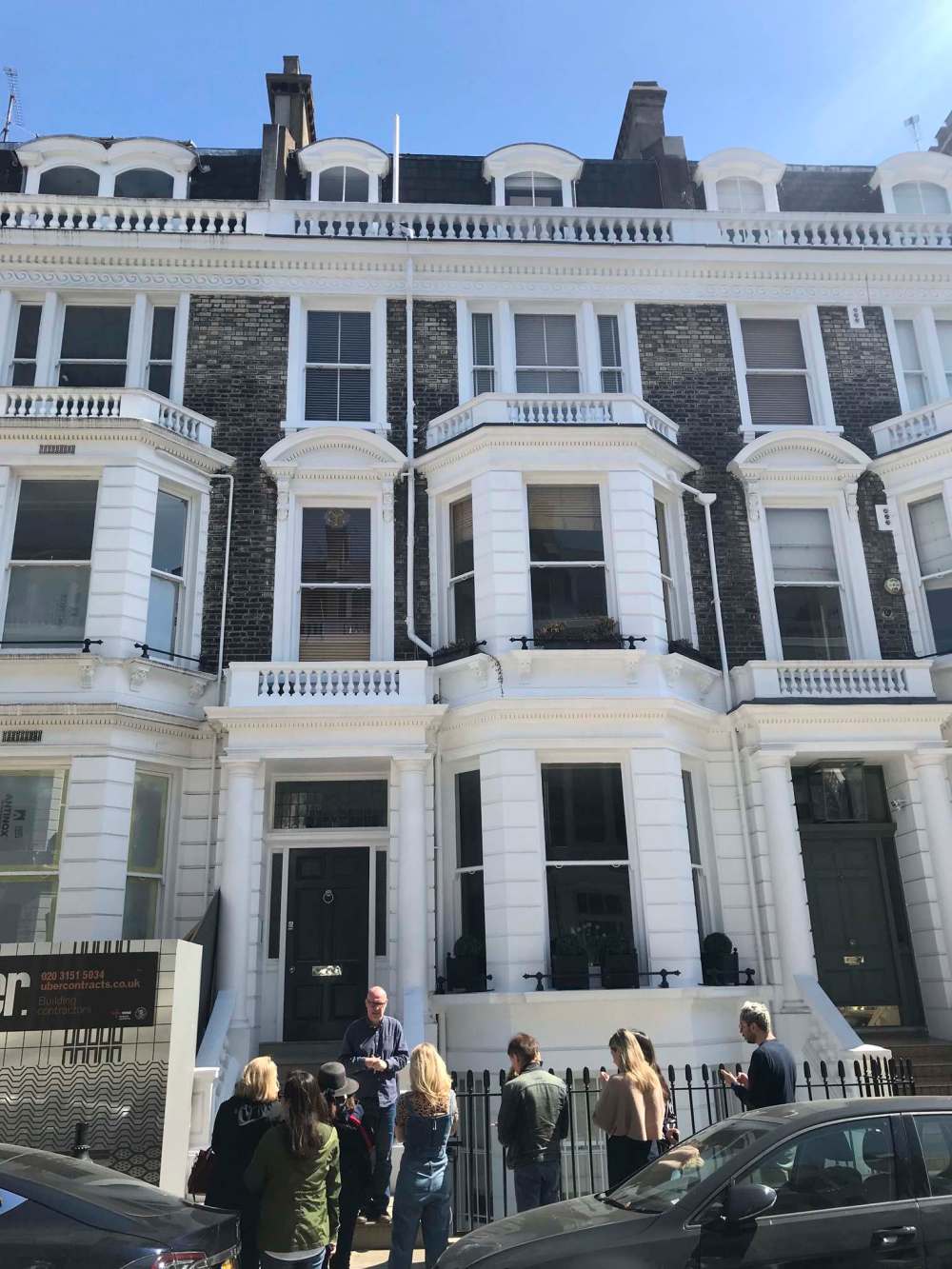
After the all-day-long London Rock Tours ends, with stops at homes once owned by Queen’s Freddie Mercury, as well as a slew of other British singers, I come to the conclusion it’s not possible to have such a high concentration of musical hot spots in another city. But I’m soon proven wrong when we move on to the Beatles’ holy mecca of Liverpool.
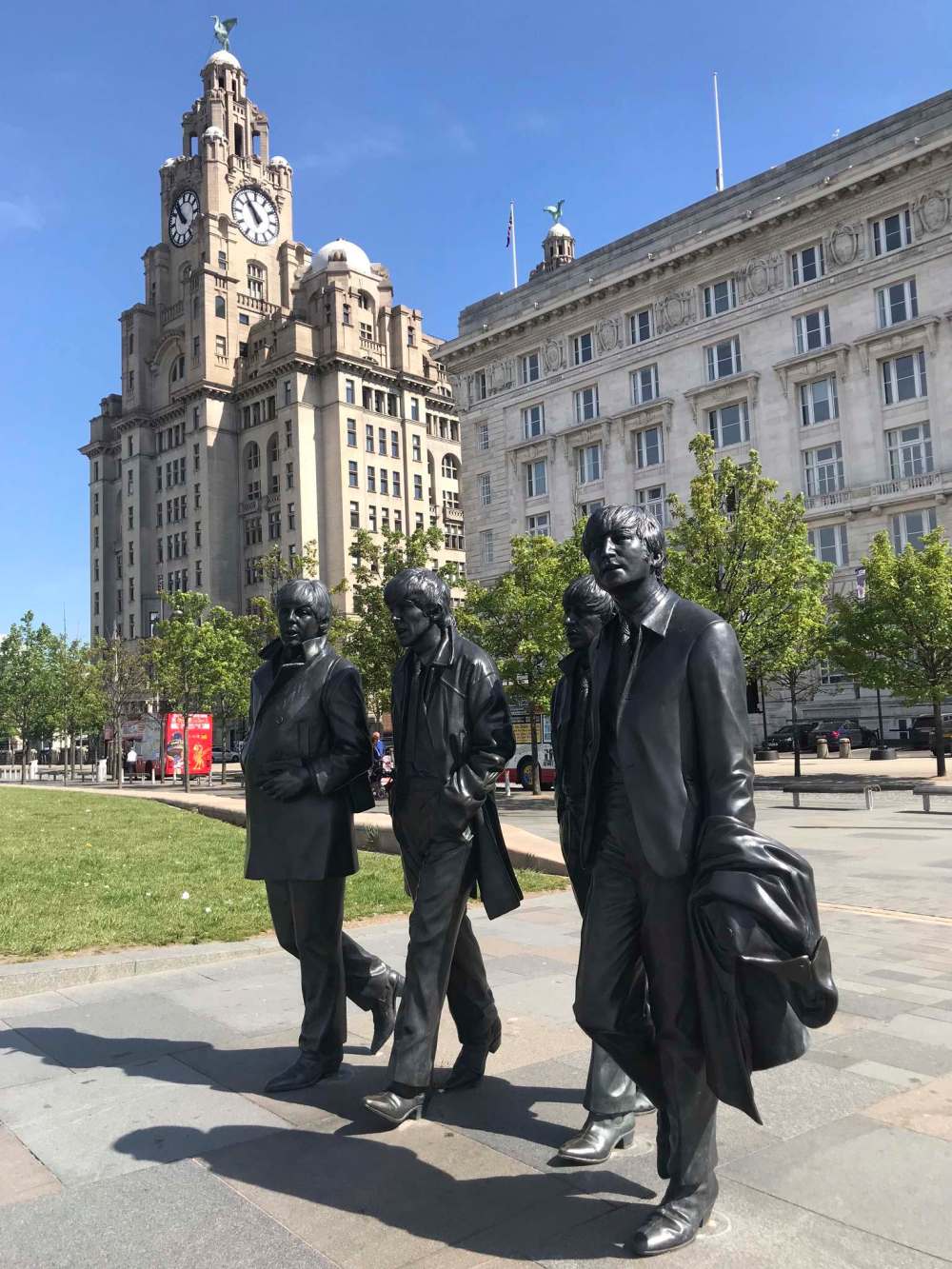
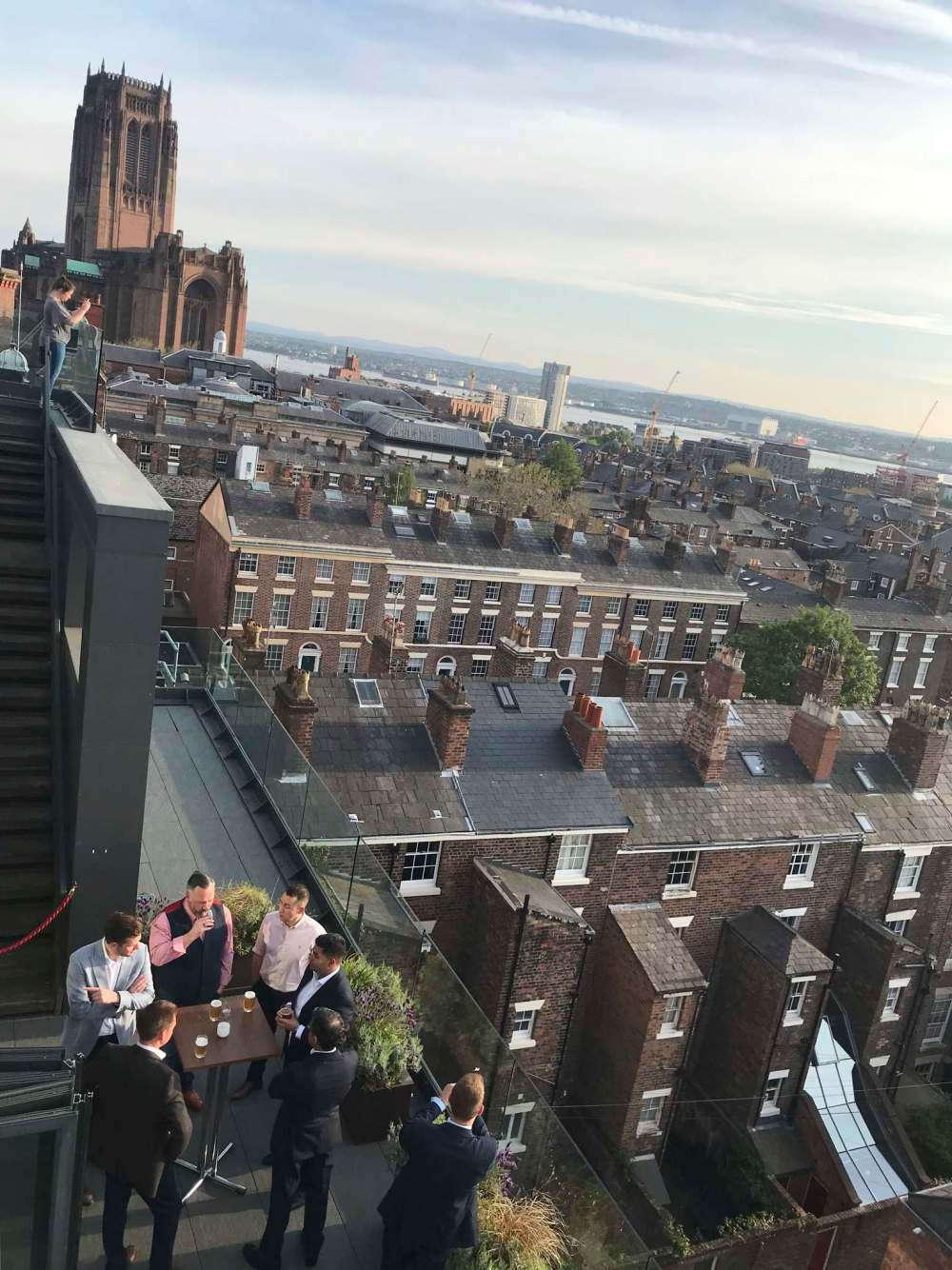
As the birthplace of the Beatles, it ranks high on the list for Location Vacations. A fact well-capitalized upon by the city, which has a themed museum, The Beatles Story, at Albert Dock, and a replica of the Cavern Club to show fans the club the band played in 292 times as they honed their skills. It’s located on Mathew Street in the heart of Liverpool, located near where the original one once stood.
Also on Mathew Street is one of the newest Beatles must-visit venues, the Magical Beatles Museum, which opened in July and is owned by Pete Best and his brother Roag Best. Any Beatle fan will recognize the name Pete Best as the original drummer of the band from 1960 to ‘62, who was replaced by Ringo Starr.
While Pete was nowhere in sight the day I visited, I did get to meet his brother Roag, who bragged, “We are Liverpool and the world’s most authentic Beatles museum.”
Roag says the museum houses 20 per cent of his family’s Beatles memorabilia, and would need a space five times the size to showcase it all. Still, they plan to keep it fresh by rotating pieces.
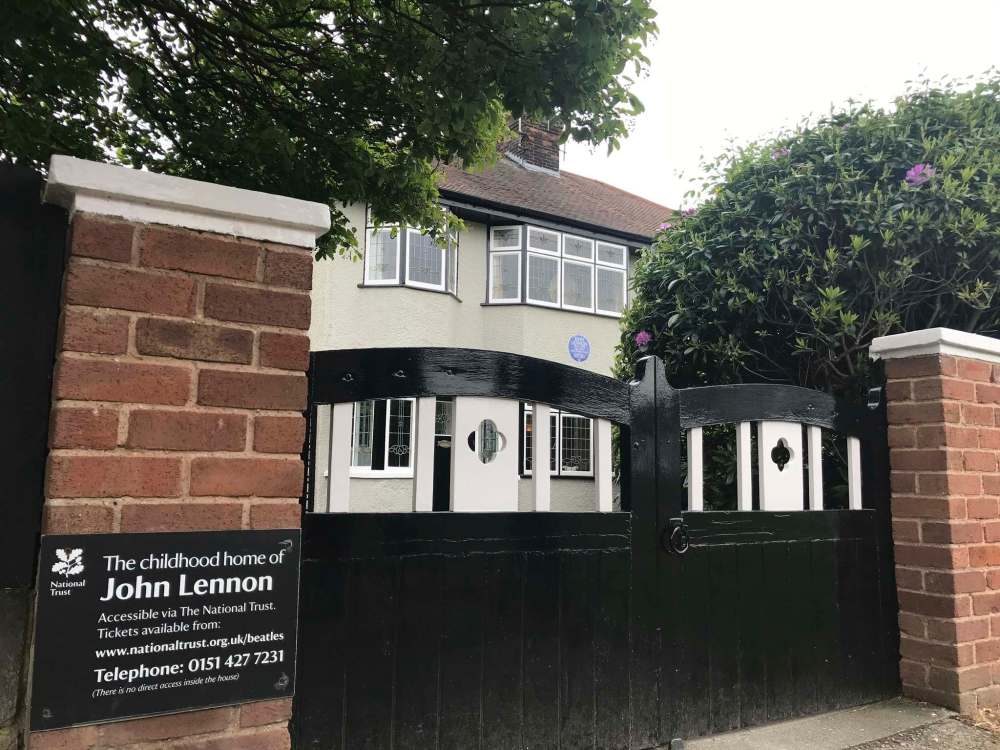
Going back to the Beatles’ very beginning in Liverpool, a stop to the childhood homes of John Lennon and Paul McCartney is a definite must. Lennon’s middle-class home, where he lived with his beloved Aunt Mimi, has been lovingly maintained with an English garden out front, while McCartney’s modest home is on a former government-owned council estate. While you can see the exteriors any time, the interiors of both houses can only be seen with tours led by the United Kingdom’s National Trust (best to book well in advance of your trip).
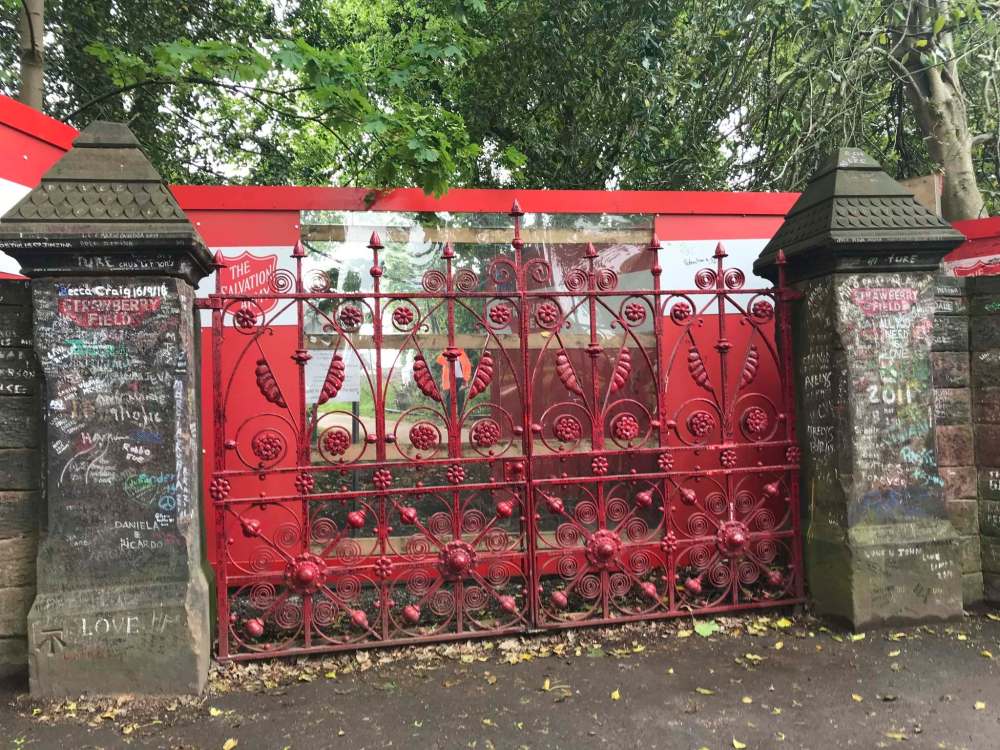
Not far from Lennon’s former home is Strawberry Fields, which was once a children’s orphanage, and which inspired the song Strawberry Fields Forever. While visitors today can pose in front of its bright red gates, there are plans to open another Beatles exhibit here, which will focus mainly on John Lennon’s connection to the site, in November.
Another famous Liverpool location to visit is the actual Penny Lane, which was an area McCartney and Lennon would pass frequently by bus on their way to school. Without a doubt, stops at both proved to be my own magical mystery tour, recalling moments from my youth listening to the Beatles.
kpemberton@shaw.ca