

Changes in business travel disrupting industries
Corporate trips now include time for leisure, which affects hotel, insurance markets
Advertisement
Read this article for free:
or
Already have an account? Log in here »
To continue reading, please subscribe:
Digital Subscription
One year of digital access for only $1.44 a week*
- Enjoy unlimited reading on winnipegfreepress.com
- Read the E-Edition, our digital replica newspaper
- Access News Break, our award-winning app
- Play interactive puzzles
*Billed as $5.77 plus GST every four weeks. After 52 weeks, price increases to the regular rate of $19.95 plus GST every four weeks. Offer available to new and qualified returning subscribers only. Cancel any time.
To continue reading, please subscribe:
Add Free Press access to your Brandon Sun subscription for only an additional
$1 for the first 4 weeks*
- Enjoy unlimited reading on winnipegfreepress.com
- Read the E-Edition, our digital replica newspaper
- Access News Break, our award-winning app
- Play interactive puzzles
*Your next Brandon Sun subscription payment will increase by $1.00 and you will be charged $17.95 plus GST for four weeks. After four weeks, your payment will increase to $24.95 plus GST every four weeks.
Read unlimited articles for free today:
or
Already have an account? Log in here »
Hey there, time traveller!
This article was published 17/08/2019 (2624 days ago), so information in it may no longer be current.
Changes in consumer travel trends, both relating to business and pleasure, can have complicating effects on the industries that serve and protect their clients.
According to the Global Business Travel Association (GBTA), business travel today accounts for 23 per cent of all trips taken worldwide.
GBTA projects by next year, global business-travel spending will reach more than US$1.6 trillion. The increasing popularity of bleisure travel (business combined with leisure), often with spouses or partners, will keep driving those numbers even higher.
Travel experts estimate as many as half of all business trips are already incorporating bleisure aspects of some kind — a far cry from the days of executives flying in and out of a scheduled meeting destination as fast as possible.
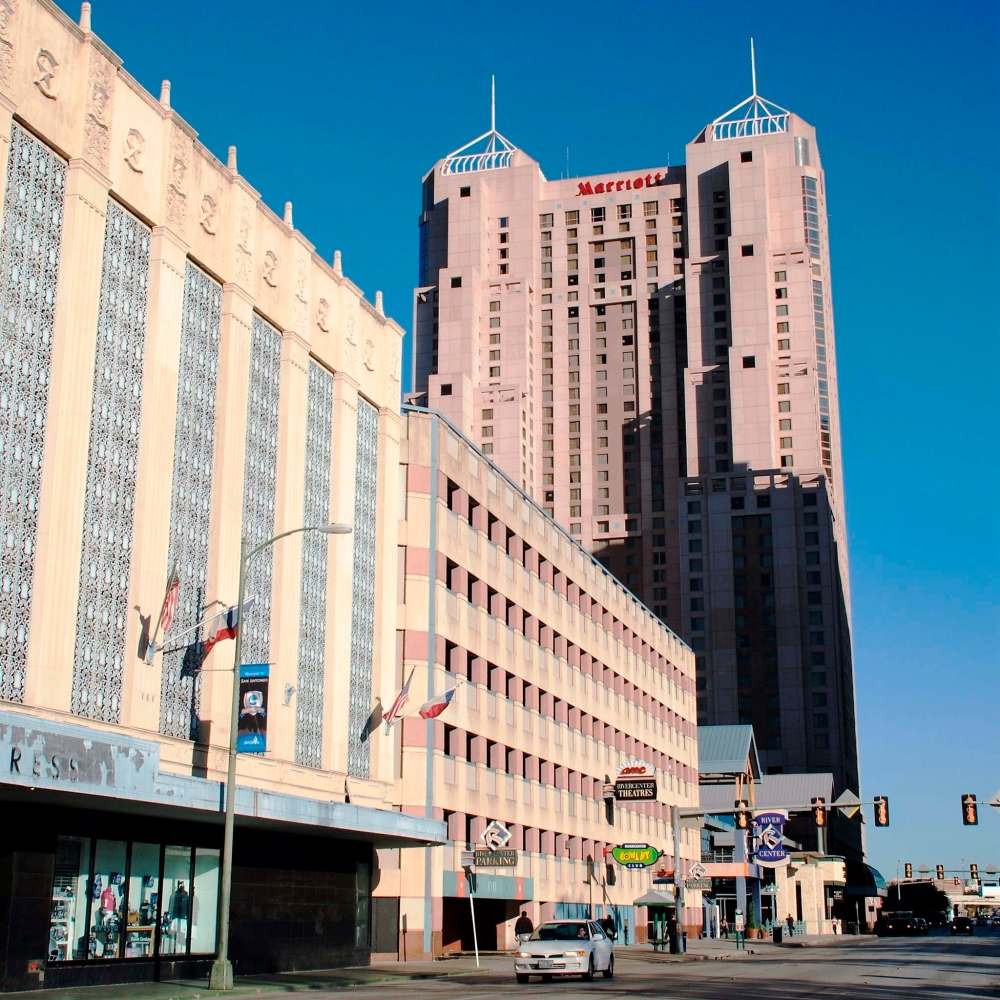
One would think this growth would make hoteliers happy. It would — except there’s a major trend hotel properties are struggling to contend with. Short-term rental companies, for more than a decade, have seen the vacation consumer gobble up home/apartment stay options wherever they are available. The space, price and exclusivity have made them desirable choices. Hotels were already feeling the pinch from these home-share options, but now it seems even corporate travellers are looking to these as well — for many of the same reasons. While most chains have so far not been able to counter this trend, one major hospitality company is making a major step forward in trying to erode, and recapture, this business.
Last year, the Marriott chain introduced its new concept, Homes and Villas by Marriott International, with more than 500 two-bedroom units. It now has 2,500 units to choose from throughout Europe and in both North and South America. Early indications show it will be very successful for Marriott as it continues to grow.
Choice Hotels purchased an existing home-sharing organization three years ago — and is now marketing it under the brand name Vacation Rentals by Choice Hotels.
While these alternatives have been created to address the drop in consumer bookings, these moves are also geared to capture the fall-off from the important, higher-spending corporate travel market.
The move towards more bleisure travel has also been a boon to the insurance industry, as longer trips with partners is really good for growth in that sector.
According to Dan Keon, vice-president of market management for Allianz Global Assistance Canada, “On a business trip, you are not as likely to experience a broken arm from a parasailing accident, but there are other inherent factors that can impact your health while travelling for work, not the least of which is stress.” Keon points out that jetlag, changing climates, disruption of eating patterns and short-duration trips can all contribute to stress and exacerbate other health issues.
As the bleisure travel sector expands, employers are also having to adjust their thinking. Corporations in Canada and many other countries are legally obligated to protect their employees when they’re required to travel. Many Canadian companies are not fully aware of how important this recent addition to our corporate legislation is. Normal travel insurance may not cover issues where protests or fear of kidnapping may create a necessity for getting the traveller out of the country quickly — even if they are not injured.
A number of companies have started to address these issues. Corporations that retain these services must now decide if the spouse should also be covered and for how long should conditions on foreign grounds become a serious issue. Medjet, for example, defines the responsibilities related to duty of care as a company’s moral and legal obligation to provide a safe environment and crisis solutions for its employees when they are travelling for business reasons. These programs are not insurance programs and can be expensive. They are not related to business travel accident coverage, but instead fill the gap in coverage most of those policies leave. Corporations must now decide how supportive they will be in both accommodation and coverage.
Many travellers may not be aware that their own travel insurance policies will not address issues such as these and may want to know how they can access this extra protection.
Leah Holovach of Canada One Travel in Winnipeg says they have an option with a program called CAP, or Crisis Assistance Plus, through a company called FocusPoint International. Non-corporate consumers can book directly through their website at canadaone.travel.
If you would like to follow my Voices of Travel podcasts, you can subscribe to them on iTunes or Google Play.
pradinukr@shaw.ca