

It will be a long road to recovery
No surprise: 2020 worst travel year in measured history of tourism
Advertisement
Read this article for free:
or
Already have an account? Log in here »
To continue reading, please subscribe:
Monthly Digital Subscription
$1 per week for 24 weeks*
- Enjoy unlimited reading on winnipegfreepress.com
- Read the E-Edition, our digital replica newspaper
- Access News Break, our award-winning app
- Play interactive puzzles
*Billed as $4.00 plus GST every four weeks. After 24 weeks, price increases to the regular rate of $19.95 plus GST every four weeks. Offer available to new and qualified returning subscribers only. Cancel any time.
Monthly Digital Subscription
$4.99/week*
- Enjoy unlimited reading on winnipegfreepress.com
- Read the E-Edition, our digital replica newspaper
- Access News Break, our award-winning app
- Play interactive puzzles
*Billed as $19.95 plus GST every four weeks. Cancel any time.
To continue reading, please subscribe:
Add Free Press access to your Brandon Sun subscription for only an additional
$1 for the first 4 weeks*
*Your next subscription payment will increase by $1.00 and you will be charged $16.99 plus GST for four weeks. After four weeks, your payment will increase to $23.99 plus GST every four weeks.
Read unlimited articles for free today:
or
Already have an account? Log in here »
Hey there, time traveller!
This article was published 26/12/2020 (1938 days ago), so information in it may no longer be current.
It is today and over the coming days that normal years would see thousands of snowbirds begin, or return to, their regular winter accommodations after the holidays.
Vacationers would begin packing for their Florida family trips — or for escape holidays at one of the all-inclusive resorts in Mexico or the Caribbean.
Little of that is happening this year. The World Tourism Organization (UNWTO) has just released a report that reveals that 2020 has been the worst travel year in the measured history of tourism. International arrivals fell by 72 per cent, with worldwide destinations welcoming almost a billion fewer visitors than last year.
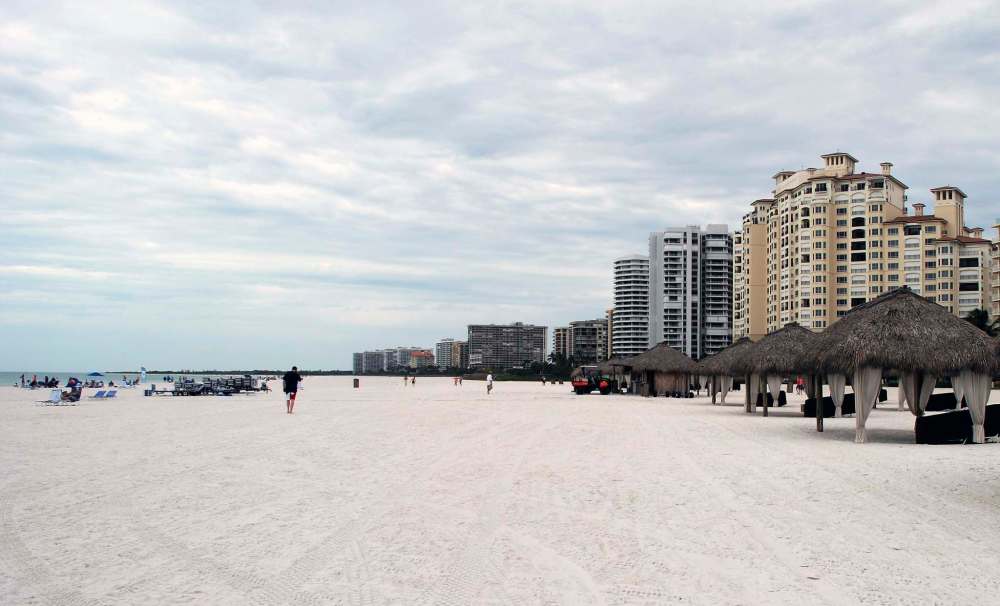
COVID-19 fears have kept people around the world anchored close to home. Continued good news associated about new vaccines is growing consumer confidence — but according to Zarab Pololikashvili, secretary-general of the UNWTO, a travel rebound is seen to be a long way off.
“There is still a long road to recovery,” he said. “It is ever clearer that tourism is one of the most affected sectors by this unprecedented crisis. We need to step up our efforts to safely open borders while supporting tourism jobs and businesses.”
In the early stages, a detriment to travel seemed to be that travel insurance policies to address COVID issues were not available. The insurance industry finally responded by introducing various levels of basic insurance policies, which were made available to try and satisfy these concerns. Airlines, tour operators and resorts began announcing their own free policy coverages for their passengers and clients.
It has made a difference, but has not altered the travel dynamic to any significant degree — especially as related to some destinations. In a study undertaken by The Travel Health Association of Canada (THIA), even COVID coverage will not overcome fears of travelling to the United States — which annually has seen more Canadians travelling to the US than any other destination.
The study, conducted by Ipsos with travellers from throughout Canada, found that 79 per cent of Canadians (and 90 per cent of boomers) said they would not travel to the U.S. this winter, even if their travel health insurance policy provided coverage for COVID-19.
It is the boomers especially who tend to spend winters in the southern states and are willing to spend freely on restaurants, golf courses and other forms of entertainment.
Statistics Canada figures had already shown that there had been a continuing decline in travel to the US by Canadians prior to this year — but the pandemic has had what is likely to be a long-term impact on Canadian tourism to that market.
Still Canadians do want to travel. Eighty per cent of respondents are looking to travel domestically this year
When Ipsos asked where Canadians plan to travel to first when the pandemic subsides, respondents identified Canada (37 per cent), Europe (22 per cent), the Caribbean (16 per cent) and Asia (10 per cent) as their top destinations.
However, travellers do want to be confident they will have proper and adequate coverage for potential COVID infections when they do decide to travel. This is especially important because of the initial lack of availability to purchase such coverage — and the array of confusing information that seemed to come with the initial announcements for limited protection in these policies.
Will McAleer, THIA’s executive director and spokesperson responded to me with this comment, “The travel health insurance industry evolved dramatically from the pandemic’s outset when March Break travel was interrupted. Support centres (at various insurance companies) became the only resource for travellers scrambling to return. A growing number of our members are (now) offering specialized COVID-19 coverage, either within or as a rider to their policies.” But he added, “Many companies are waiting for the Canadian government to reduce the level three travel advisory before offering new insurance products.”
His comments underscore UNWTO’s recommendations that, “A coordinated approach to easing and lifting restrictions on travel whenever it is safe to do so is essential. This will not only open destinations up to tourism again, but clear and consistent rules between countries will go a long way towards building back trust in international travel, and boosting consumer confidence.”
pradinukr@shaw.ca