

Manitoba providing $1.3 million for community-based sexual assault crisis program
Advertisement
Read this article for free:
or
Already have an account? Log in here »
To continue reading, please subscribe:
Monthly Digital Subscription
$0 for the first 4 weeks*
- Enjoy unlimited reading on winnipegfreepress.com
- Read the E-Edition, our digital replica newspaper
- Access News Break, our award-winning app
- Play interactive puzzles
*No charge for 4 weeks then price increases to the regular rate of $19.95 plus GST every four weeks. Offer available to new and qualified returning subscribers only. Cancel any time.
Monthly Digital Subscription
$4.99/week*
- Enjoy unlimited reading on winnipegfreepress.com
- Read the E-Edition, our digital replica newspaper
- Access News Break, our award-winning app
- Play interactive puzzles
*Billed as $19.95 plus GST every four weeks. Cancel any time.
To continue reading, please subscribe:
Add Free Press access to your Brandon Sun subscription for only an additional
$1 for the first 4 weeks*
*Your next subscription payment will increase by $1.00 and you will be charged $16.99 plus GST for four weeks. After four weeks, your payment will increase to $23.99 plus GST every four weeks.
Read unlimited articles for free today:
or
Already have an account? Log in here »
Hey there, time traveller!
This article was published 02/04/2023 (1014 days ago), so information in it may no longer be current.
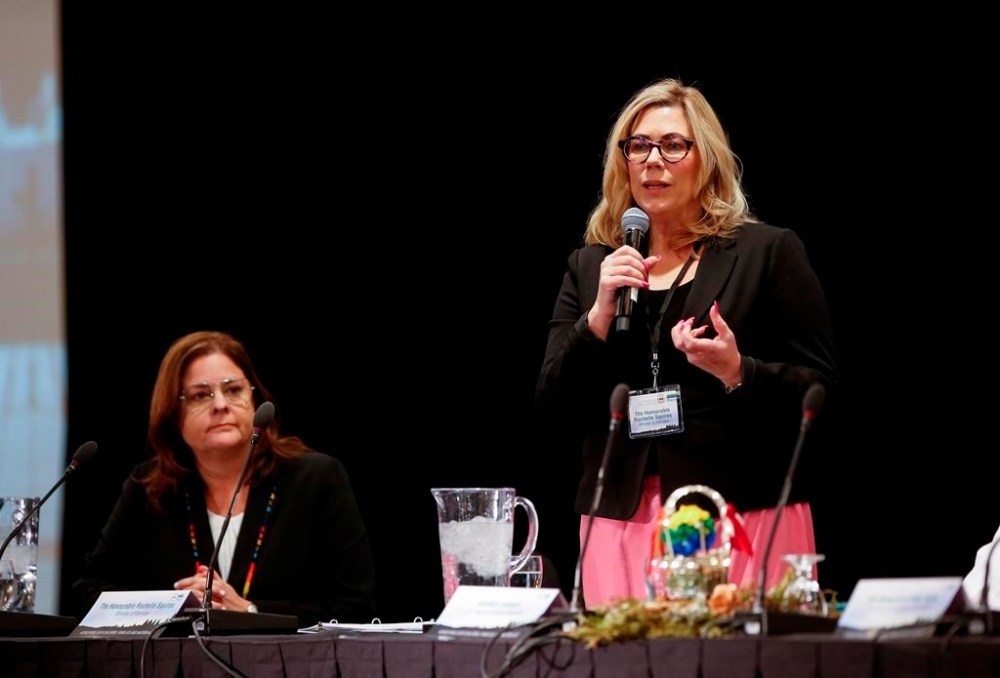
WINNIPEG – Manitoba’s families minister has announced $1.3 million for a new community-based sexual assault crisis response and healing program to give survivors treatment options outside a hospital setting.
Rochelle Squires says the new program, which will provide forensic examination services following assaults and intimate partner violence, will complement the existing Sexual Assault Nurse Examiner program at Winnipeg’s Health Sciences Centre, which has recently faced criticism over workload.
Squires said Sunday at the funding announcement in Winnipeg that for some Indigenous people and those from marginalized communities, “accessing care through a hospital ER doesn’t always feel like a safe or a viable option.”
Last month, more than a third of the nurses affiliated with the HSC’s program quit, and their union has said some sexual assault victims were being told to not shower and to come back later because no one was available to examine them.
The Manitoba government announced additional funding for the hospital’s program last year, but there have been delays in getting nurses working due to challenges with hiring and training.
Squires says Sunday’s funding will support an initial site at Klinic Community Health, whose nurses already provide third-party reporting services for victims who don’t want to go directly to police, as well as a community spoke site at Ka Ni Kanichihk.
“Over the past few months, we have heard from nurses, advocates, community service providers and survivors that existing forensic nurse examiner services are not sufficient to address demand, and the lack of community-based options is creating gaps in service,” Squires said Sunday at Klinic Community Health.
“As a survivor of sexual assault myself, I know first-hand the importance of ensuring that the right trauma-informed service is available to someone after experiencing this most horrific and traumatic act of violence, and to get on the way to their journey of healing.”
Squires also noted plans for future phases include the development of spoke sites across Manitoba and establishing longer-term programming.
Ayn Wilcox, executive director of Klinic, said April 24 will mark her organization’s 50th anniversary and she couldn’t think of a better way to celebrate.
“This program is a positive step to addressing the needs of those most impacted, but it is just the beginning. In addition to providing culturally-grounded accessible services, we must work together to address the root causes of violence so that everyone can live a good life,” Wilcox said at the announcement.
This report by The Canadian Press was first published April 2, 2023.