

COC supports national safe-sport inquiry, national fencing execs grilled in Ottawa
Advertisement
Read this article for free:
or
Already have an account? Log in here »
To continue reading, please subscribe:

Digital Subscription
One year of digital access for only $205*
- Enjoy unlimited reading on winnipegfreepress.com
- Read the E-Edition, our digital replica newspaper
- Access News Break, our award-winning app
- Play interactive puzzles
*First annual payment billed as $205.00 + GST for one year. This annual subscription will automatically renew at $233.00 + GST every 52 weeks (10% off the regular annual price of $259.35). Offer available to new and qualified returning subscribers only. Cancel any time.
To continue reading, please subscribe:
Add Free Press access to your Brandon Sun subscription for only an additional
$1 for the first 4 weeks*
- Enjoy unlimited reading on winnipegfreepress.com
- Read the E-Edition, our digital replica newspaper
- Access News Break, our award-winning app
- Play interactive puzzles
*Your next Brandon Sun subscription payment will increase by $1.00 and you will be charged $17.95 plus GST for four weeks. After four weeks, your payment will increase to $24.95 plus GST every four weeks.
Read unlimited articles for free today:
or
Already have an account? Log in here »
Hey there, time traveller!
This article was published 01/06/2023 (1222 days ago), so information in it may no longer be current.
Canadian Fencing Federation executives were the latest sport leaders called on the carpet by a parliamentary committee to answer for its safe sport record, while the Canadian Olympic Committee’s chief executive officer stated his support for a national inquiry.
Members of Parliament grilled CFF president Yann Bernard in Ottawa on Thursday because some athletes have alleged a longstanding toxic, bullying and abusive environment.
COC chief executive officer David Shoemaker was also among witnesses questioned by MPs.
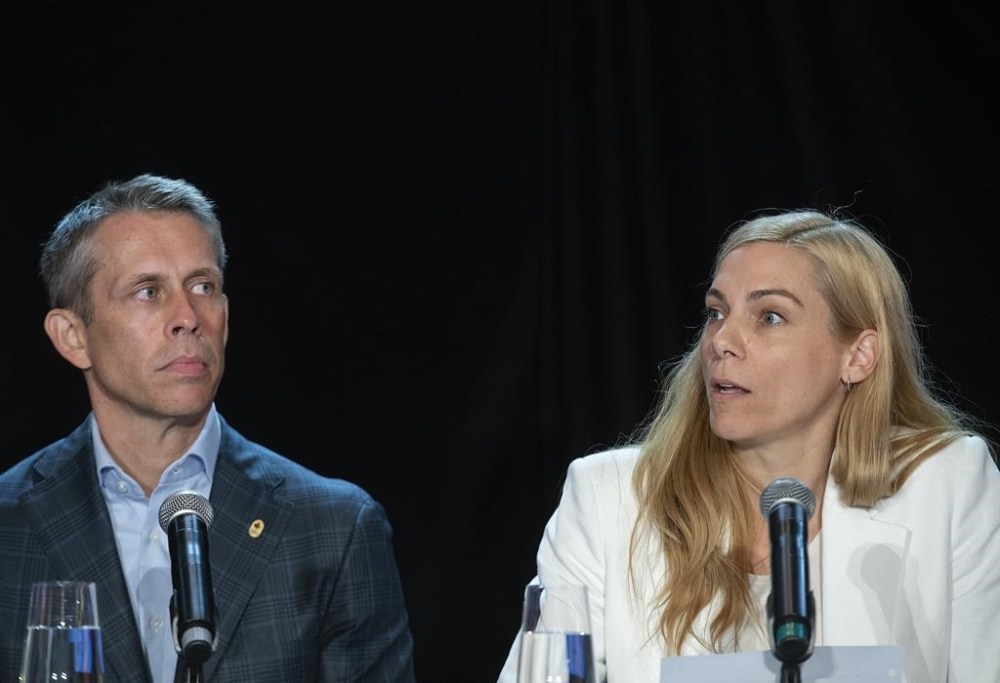
He joined a chorus of voices from the sports community in supporting a national inquiry into safe sport.
When Canadian sports minister Pascale St-Onge released a slate of reforms last month to address the safe-sport crisis, she said a national inquiry “is a legitimate request and I’m working to be able to announce this as soon as I can.”
“I deeply believe that sport, when done right, is an incredible force for good,” Shoemaker said Thursday. “An unsafe sport system is an unacceptable sports system.
“I do think that an inquiry that hears survivors and is trauma-informed should happen. I’m glad Minister St-Onge has committed to one.”
The recent avalanche of athlete complaints about maltreatment and abuse, including sexual abuse, in their sports has thrown Canadian high-performance sport into turmoil.
Tearful athletes across several sports have testified at both Heritage and Status of Women committee hearings about the abuse and harassment they experienced from coaches and other team personnel, how those in power turned a blind eye to it, and their fear of repercussions if they complained.
The fencing federation follows Hockey Canada, Canada Soccer and Gymnastics Canada, which have been questioned by MPs in recent months about personnel and financial decisions and also how they handle misconduct.
Former fencer Emily Mason of Vancouver told committee MPs on April 24 that she was a “broken individual” when she left the sport at age 17.
“Again and again, we have also heard that survivors are afraid,” Mason said during her April testimony.
“They are afraid that if they come forward they will face not only personal retribution from their abusers but also the risk of losing their national team spots.
“This is because under the current CFF selection policy, national members may be chosen by majority vote of CFF officials and staff rather than by results or official rankings.”
She represents Fencing for Change, which is a group of about 50 current and past Olympic and national-team fencers.
“With every passing day, there are more children who are placed into these environments,” she said in April. “More children who are experiencing the same things that we have and continue to every single day that a national inquiry is not called and we’re not taking action. That is not acceptable.”
Bernard oversees a small national sports organization with an annual budget of $1.4 million and one full-time employee.
He was questioned on what the CFF is doing about the concerns of Fencers For Change, and how the federation managed allegations of misconduct against a former coach.
Bernard said all members of the organization have been told that if they’d witnessed situations of abuse or maltreatment “we’re there to hear and listen to them and the fear of retaliation or reprisals would not exist with the current leadership.
“We invited people to use the mechanisms that we have and reminding them how it functions. It’s independent and anonymous.
“Perhaps 20 years ago there was no mechanism and perhaps 10 years ago, people didn’t have trust in them. Today, there are results that flow from that.”
Bernard said Mason had accepted an invitation to a board meeting, but she wanted to wait until after Thursday’s hearing to determine whether Fencers For Change could work with the CFF.
“We have to better understand what prevented them from complaining in the past, so it never happens again,” Bernard said.
Conservative MP Martin Shields and committee chair Hedy Fry told Bernard to submit reports issued from its external complaints body to the committee.
The COC doesn’t have authority over national sports organizations operations or personnel, but is responsible for preparing athletes for the Olympic Games environment and looking after their needs on the ground there.
The COC funds 99 per cent of its annual $50-million annual operating budget via private sector sponsorship, Shoemaker said.
The COC is the second-largest funder of Canadian high-performance sport behind taxpayers, who spend over $200 million annually on athletes and competitions.
The COC has spent $50 million over the last eight years on safe sports projects, Shoemaker said, including a governance model that takes equity, diversity and inclusivity into account, and which St-Onge has made mandatory for national sports organizations.
The Office of the Sport Integrity Commissioner (OSIC) established almost a year ago and the upcoming requirement for a registry of sanctioned individuals are important and needed changes, Shoemaker said.
But there is a danger of athletes falling through the safe-sport cracks at the provincial, territorial and club levels, he added.
“I believe deeply that an under-resourced system is a safe-sport risk,” Shoemaker said. “It’s going to require a high degree of co-operation between the federal and provincial and territorial governments.
“Change is happening. It has been too slow for the witnesses who shared their tragic stories before this committee.
“All of us in sport, especially those of us in leadership positions, bear responsibility for that. We have to ensure that going forward doesn’t happen again.”
This report by The Canadian Press was first published June 1, 2023.
Related Articles
Winnipeg hockey coach charged with sexually exploiting teen player
Advertisement Advertise With Us
Advertisement Advertise With Us