

B.C. disaster response outdated and inaccessible for evacuees: ombudsperson report
Advertisement
Read this article for free:
or
Already have an account? Log in here »
To continue reading, please subscribe:

Digital Subscription
One year of digital access for only $205*
- Enjoy unlimited reading on winnipegfreepress.com
- Read the E-Edition, our digital replica newspaper
- Access News Break, our award-winning app
- Play interactive puzzles
*First annual payment billed as $205.00 + GST for one year. This annual subscription will automatically renew at $233.00 + GST every 52 weeks (10% off the regular annual price of $259.35). Offer available to new and qualified returning subscribers only. Cancel any time.
To continue reading, please subscribe:
Add Free Press access to your Brandon Sun subscription for only an additional
$1 for the first 4 weeks*
- Enjoy unlimited reading on winnipegfreepress.com
- Read the E-Edition, our digital replica newspaper
- Access News Break, our award-winning app
- Play interactive puzzles
*Your next Brandon Sun subscription payment will increase by $1.00 and you will be charged $17.95 plus GST for four weeks. After four weeks, your payment will increase to $24.95 plus GST every four weeks.
Read unlimited articles for free today:
or
Already have an account? Log in here »
Hey there, time traveller!
This article was published 03/10/2023 (1089 days ago), so information in it may no longer be current.
VANCOUVER – Emergency support programs for disaster evacuees in British Columbia are outdated, under-resourced, inaccessible and poorly communicated, according to a report by the province’s ombudsperson.
Ombudsperson Jay Chalke’s report on the government’s response to wildfires and severe flooding in 2021 analyzed the fairness in delivering assistance programs and says there was unclear and confusing communication, unreasonable delays and a lack of flexibility about how help was delivered.
Chalke said after the report’s release on Tuesday that the process of delivering assistance does not take into account the distinct needs of Indigenous evacuees, elderly people or those with physical and cognitive disabilities.
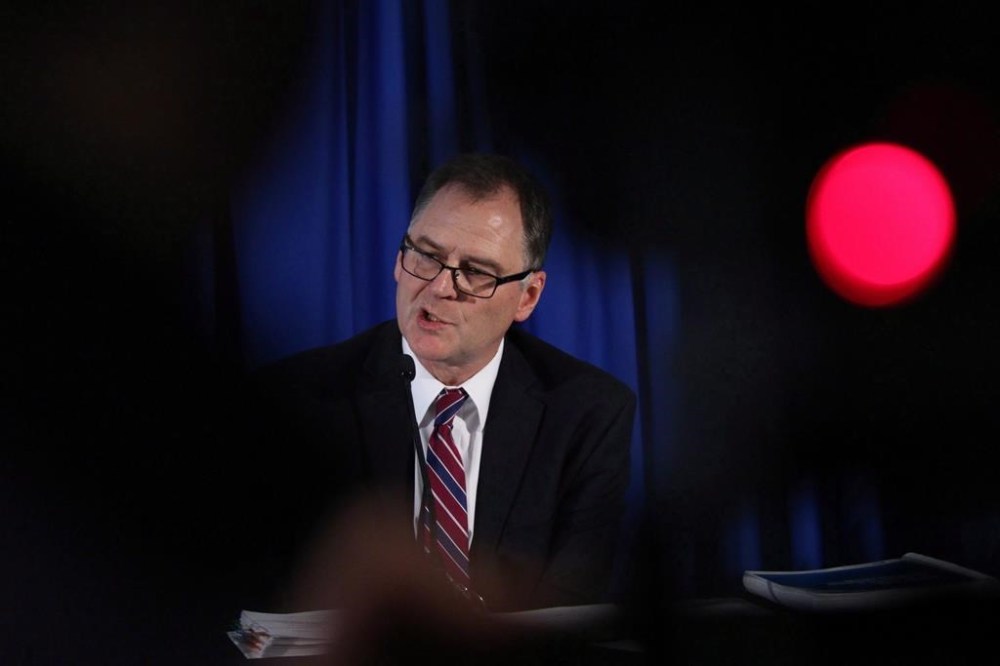
“A major takeaway from this report is that (in) trying to deliver government programs, especially in extreme situations like this, equity needs to be built into that process,” he told a news conference.
“A one-size-fits-all approach that we’ve seen in the past in terms of emergency support is short-sighted and doesn’t do nearly enough to meet the needs of a diverse public that it is trying to serve.”
Chalke said the report followed an 18-month investigation that included analysis of government documents, a public questionnaire with 500 respondents, meetings with local governments and First Nations authorities and interviews with emergency management professionals.
It focused on examining two specific emergency assistance programs: Emergency Support Services, which provides short-term support within 72 hours, and the Disaster Financial Assistance Program, which provides financial support for rebuilding after events where people don’t have insurance or enough insurance to cover their losses.
Chalke said the investigation revealed the province “urgently needs a comprehensive plan for long-term displacement,” noting that 90 per cent of people accessing services needed aid for more than 72 hours.
“That number is startling and it’s a stark reminder that many of our programs are not built for today’s climate reality,” he said. “And not just by a small margin, but for the vast majority of people they needed support for longer.”
The report made 20 recommendations for the government, including ensuring reception centres are accessible, and support is responsive to the needs of all evacuees.
Chalke said B.C.’s Emergency Management Ministry has accepted all of the recommendations and committed to their implementation.
“I’m encouraged that the government has accepted all 20 and we will be monitoring government’s implementation of those recommendations in the months and years to come,” Chalke said.
The report was delivered on the same day the New Democrat government introduced new disaster management legislation, which Emergency Management Minister Bowinn Ma said will deliver a modernized approach aligned with international best practices to ensure communities are safer and more resilient.
She said the legislation looks to update what constitutes an emergency to reflect current realities and risks, while providing better tools for response and recovery.
Chalke said he had only seen the legislation about an hour before he took questions from reporters on his report, but said the new bill “clearly takes into account climate change and climate-related emergencies.”
“Our report is really about what happens on the ground. It’s not really about legislation,” he said, that would likely take “months or even years” to enact.
“The legislation takes you so far, but there’s still more work to be done by policymakers and then by people who are actually implementing over time. So (it’s a) good start, but there’s more to do.”
This report by The Canadian Press was first published Oct. 3, 2023.