

First Nation solar farm in B.C. expected to save 1.1 million litres of diesel a year
Advertisement
Read this article for free:
or
Already have an account? Log in here »
To continue reading, please subscribe:

Digital Subscription
One year of digital access for only $205*
- Enjoy unlimited reading on winnipegfreepress.com
- Read the E-Edition, our digital replica newspaper
- Access News Break, our award-winning app
- Play interactive puzzles
*First annual payment billed as $205.00 + GST for one year. This annual subscription will automatically renew at $233.00 + GST every 52 weeks (10% off the regular annual price of $259.35). Offer available to new and qualified returning subscribers only. Cancel any time.
To continue reading, please subscribe:
Add Free Press access to your Brandon Sun subscription for only an additional
$1 for the first 4 weeks*
- Enjoy unlimited reading on winnipegfreepress.com
- Read the E-Edition, our digital replica newspaper
- Access News Break, our award-winning app
- Play interactive puzzles
*Your next Brandon Sun subscription payment will increase by $1.00 and you will be charged $17.95 plus GST for four weeks. After four weeks, your payment will increase to $24.95 plus GST every four weeks.
Read unlimited articles for free today:
or
Already have an account? Log in here »
Hey there, time traveller!
This article was published 19/04/2024 (871 days ago), so information in it may no longer be current.
ANAHIM LAKE, B.C. – A First Nation in central British Columbia will build what the federal government says will likely be the largest off-grid solar project in Canada.
Nearly $16 million in federal and provincial funding is going toward the solar farm in Anahim Lake, home to the Ulkatcho First Nation, where power is currently diesel generated.
Infrastructure Canada says in a news release that the project will reduce the need for diesel generation in the remote community by about 64 per cent, equal to 1.1 million litres less of diesel a year.
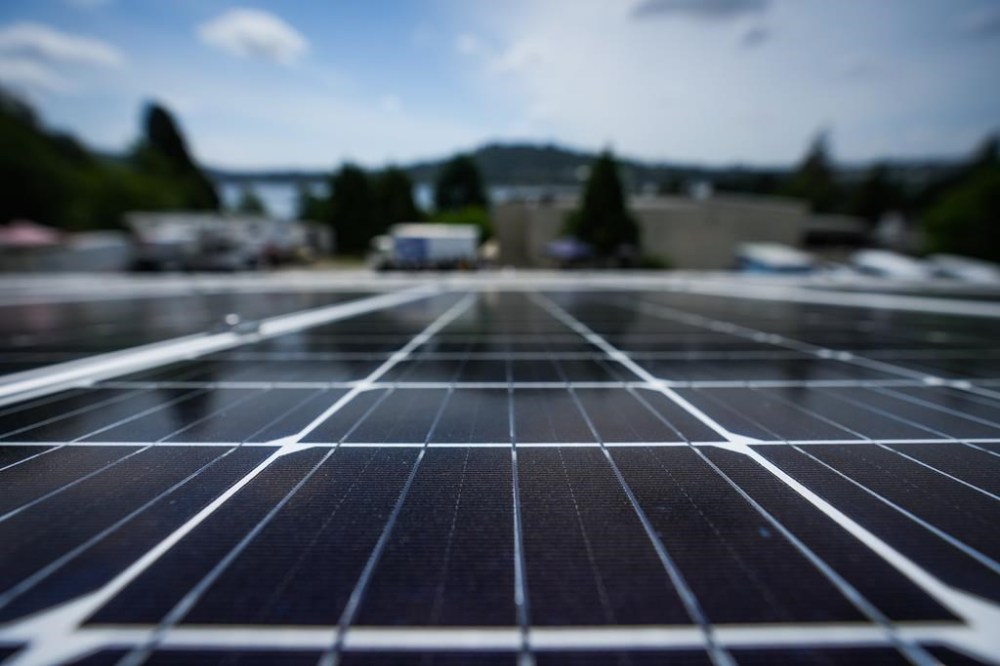
The power plant will be built by the Ulkatcho Energy Corporation.
BC Hydro says the project is expected to generate 3.8 megawatts, enough to power approximately 350 homes.
The statement says BC Hydro will buy the solar energy and integrate it into power lines and a battery storage system to serve the community.
This report by The Canadian Press was first published April 19, 2024.