

The NCAA settles lawsuit with Tennessee and Virginia over compensation rules for recruits
Advertisement
Read this article for free:
or
Already have an account? Log in here »
To continue reading, please subscribe:
Monthly Digital Subscription
$1 per week for 24 weeks*
- Enjoy unlimited reading on winnipegfreepress.com
- Read the E-Edition, our digital replica newspaper
- Access News Break, our award-winning app
- Play interactive puzzles
*Billed as $4.00 plus GST every four weeks. After 24 weeks, price increases to the regular rate of $19.95 plus GST every four weeks. Offer available to new and qualified returning subscribers only. Cancel any time.
Monthly Digital Subscription
$4.99/week*
- Enjoy unlimited reading on winnipegfreepress.com
- Read the E-Edition, our digital replica newspaper
- Access News Break, our award-winning app
- Play interactive puzzles
*Billed as $19.95 plus GST every four weeks. Cancel any time.
To continue reading, please subscribe:
Add Free Press access to your Brandon Sun subscription for only an additional
$1 for the first 4 weeks*
*Your next subscription payment will increase by $1.00 and you will be charged $16.99 plus GST for four weeks. After four weeks, your payment will increase to $23.99 plus GST every four weeks.
Read unlimited articles for free today:
or
Already have an account? Log in here »
Hey there, time traveller!
This article was published 31/01/2025 (422 days ago), so information in it may no longer be current.
The NCAA has settled the lawsuit with the attorneys general of Tennessee and Virginia and other states over its rules prohibiting name, image and likeness compensation for recruits.
Notice that a settlement has been reached in principle with a term sheet signed was filed Friday with the U.S. District Court for the Eastern District of Tennessee, in Greeneville. A status report had been due Friday. The settlement will be finalized along with a request for a permanent injunction by March 17, according to the filing.
“The NCAA has reached a settlement that resolves the issues Tennessee and the other involved states raised without posing an obstacle to completing the House, Carter and Hubbard settlements,” the NCAA said in a statement. “We anticipate full terms will be released later in the spring.”
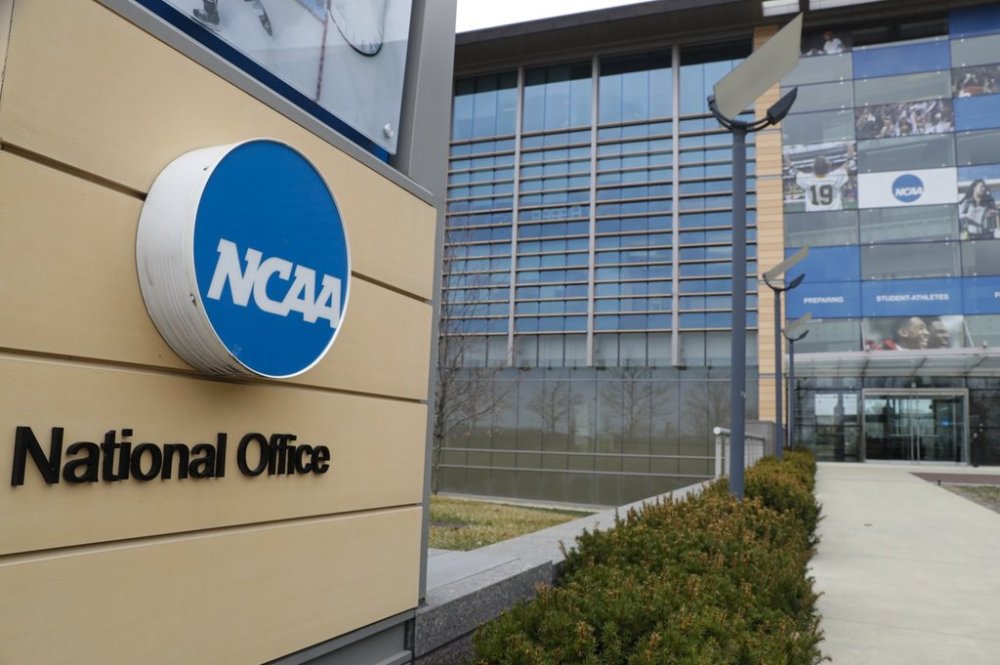
Tennessee Attorney General Jonathan Skrmetti said they blocked the NCAA’s “unlawful enforcement” against Tennessee students and schools.
“Now this settlement in principle lays the groundwork for a permanent solution,” Skrmetti said in a statement.
This settles the antitrust lawsuit filed exactly a year ago by the attorneys general of Tennessee and Virginia challenging the NCAA’s ban on the use of name, image and likeness compensation in the recruitment of college athletes. That lawsuit was a response to the NCAA’s investigation of University of Tennessee athletics for potential recruiting infractions.
U.S. District Judge Clifton Corker issued a preliminary injunction last February that undercut what had been a fundamental principle of the NCAA’s model of amateurism for decades: Third parties cannot pay recruits to attend a particular school. Corker’s injunction barred the organization from enforcing its rules prohibiting name, image and likeness compensation for recruits by granting a preliminary injunction demanded by the states of Tennessee and Virginia.
It was another blow to the NCAA’s ability to govern college sports and more than 500,000 athletes.
The NCAA had asked for an extension before filing a response Jan. 20 in the lawsuit that New York, Florida and the District of Columbia also joined. A status conference had been scheduled for Jan. 23.
The lawsuit argued that the NCAA was “enforcing rules that unfairly restrict how athletes can commercially use their name, image and likeness at a critical juncture in the recruiting calendar” and that “these anticompetitive restrictions violate the Sherman Act, harm the States and the welfare of their athletes, and should be declared unlawful and enjoined.”
Skrmetti and Virginia attorney general Jason Miyares were denied a temporary restraining order. But the judge granted the preliminary injunction that kept the NCAA from enforcing NIL recruiting rules while the lawsuit played out.
While the final details are ironed out, Skrmetti said the attorneys general agreed to a deal that protects athletes’ name, image and likeness rights while being recruited.
The NCAA also will be prohibited “from reviving its NIL Recruiting Ban,” Skrmetti said.
The lawsuit was filed a day after the University of Tennessee’s chancellor ripped the NCAA for investigating the school for potential recruiting violations related to NIL deals struck between athletes and a booster-funded and run organization that provides Volunteers athletes a chance to cash in on their fame.
This has been just one of the legal cases facing the NCAA.
Friday was the deadline for objections to the so-called House settlement for $2.8 billion of antitrust allegations against the NCAA and the nation’s biggest conferences to be filed. The concerns range from roster limits and Title IX to what some call an unfair salary cap.
The deadline arrived Friday to submit objections to the so-called House settlement, which calls for former athletes to receive millions in back pay and also gives schools the option to distribute up to $20.5 million a year in payments to athletes for use of their name, image and likeness (NIL).
___
AP college football: https://apnews.com/hub/college-football