

Long-term care, assisted living workers reach transition agreement with B.C.
Advertisement
Read this article for free:
or
Already have an account? Log in here »
To continue reading, please subscribe:
Monthly Digital Subscription
$1 per week for 24 weeks*
- Enjoy unlimited reading on winnipegfreepress.com
- Read the E-Edition, our digital replica newspaper
- Access News Break, our award-winning app
- Play interactive puzzles
*Billed as $4.00 plus GST every four weeks. After 24 weeks, price increases to the regular rate of $19.95 plus GST every four weeks. Offer available to new and qualified returning subscribers only. Cancel any time.
Monthly Digital Subscription
$4.99/week*
- Enjoy unlimited reading on winnipegfreepress.com
- Read the E-Edition, our digital replica newspaper
- Access News Break, our award-winning app
- Play interactive puzzles
*Billed as $19.95 plus GST every four weeks. Cancel any time.
To continue reading, please subscribe:
Add Free Press access to your Brandon Sun subscription for only an additional
$1 for the first 4 weeks*
*Your next subscription payment will increase by $1.00 and you will be charged $16.99 plus GST for four weeks. After four weeks, your payment will increase to $23.99 plus GST every four weeks.
Read unlimited articles for free today:
or
Already have an account? Log in here »
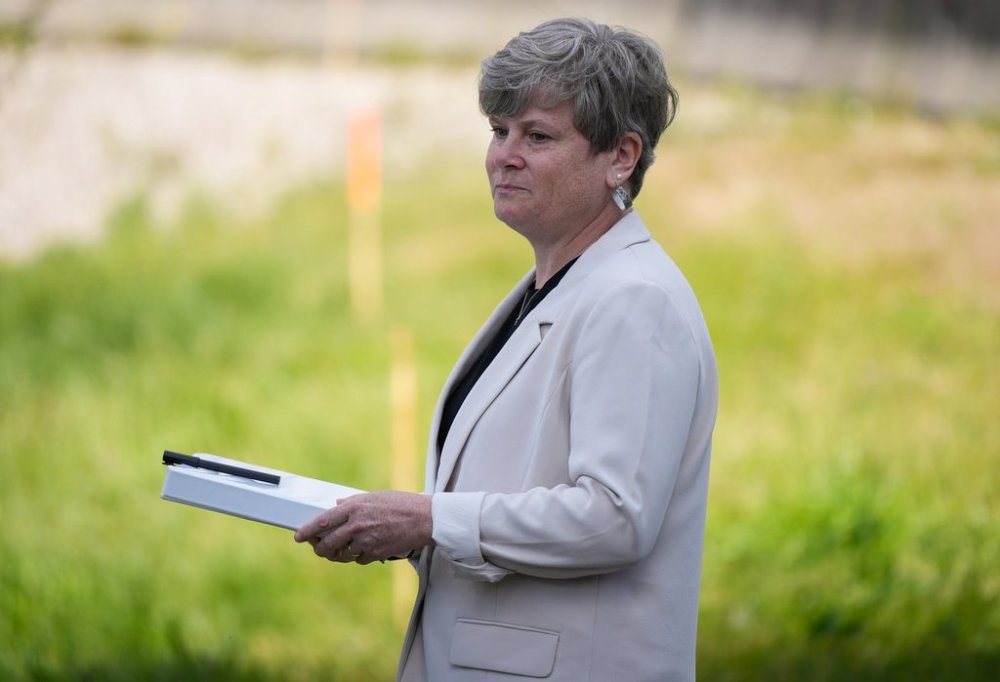
VICTORIA – British Columbia Health Minister Josie Osborne says a new agreement will make thousands of health care workers eligible for collective bargaining again, but it will cost the province an additional $72 million over two years.
More than 5,000 unionized workers in eligible long-term care and assisted living facilities will transition to the provincewide Facilities Collective Agreement over the next two years after the former Liberal government imposed wage cuts of 15 per cent in 2004.
Osborne says the transition will mean higher wages and improved benefits for workers and better care for seniors by making the jobs more attractive for workers.
The agreement affects workers at more than 100 facilities that are part of the Health Employers Association of B.C. where at least 50 per cent of the beds are publicly funded.
Lynn Bueckert, secretary-business manager with the Hospital Employees’ Union, says the agreement is an “important step toward restoring a level playing field for working and caring conditions in provincially funded seniors’ care homes.”
Bueckert says in a news release that the policies of past B.C. Liberal governments encouraged “privatization and subcontracting, allowing operators to opt out of the provincewide collective agreements.”
Osborne says the changes announced Monday mark a return to that “consistent framework across publicly funded work sites.”
But the minister also acknowledged the agreement does not cover those facilities that receive less than 50 per cent of government funding, saying there is “more work to do.”
The agreement is “subject to ratification votes,” which are expected to conclude by Dec. 20.
This report by The Canadian Press was first published Dec. 1, 2025.
Note to readers:This is a correction from the source. A previous version quoted the health minister as saying the initiative would cost $85 million. The Health Ministry says the actual cost is 72 million.