

A new unit aims to help B.C. First Nations navigate police accountability processes
Advertisement
Read this article for free:
or
Already have an account? Log in here »
To continue reading, please subscribe:

Digital Subscription
One year of digital access for only $205*
- Enjoy unlimited reading on winnipegfreepress.com
- Read the E-Edition, our digital replica newspaper
- Access News Break, our award-winning app
- Play interactive puzzles
*First annual payment billed as $205.00 + GST for one year. This annual subscription will automatically renew at $233.00 + GST every 52 weeks (10% off the regular annual price of $259.35). Offer available to new and qualified returning subscribers only. Cancel any time.
To continue reading, please subscribe:
Add Free Press access to your Brandon Sun subscription for only an additional
$1 for the first 4 weeks*
- Enjoy unlimited reading on winnipegfreepress.com
- Read the E-Edition, our digital replica newspaper
- Access News Break, our award-winning app
- Play interactive puzzles
*Your next Brandon Sun subscription payment will increase by $1.00 and you will be charged $17.95 plus GST for four weeks. After four weeks, your payment will increase to $24.95 plus GST every four weeks.
Read unlimited articles for free today:
or
Already have an account? Log in here »
WEST KELOWNA – The First Nations Justice Council in British Columbia has officially launched an effort meant to help Indigenous people navigate the police accountability process in the province.
Judith Sayers, a director with the group, says the Police Accountability Unit aims to help Indigenous people by making sure that their complaints against police are heard.
Sayers, who is also president of the Nuu-Chan-nulth Tribal Council on Vancouver Island, says many Indigenous people don’t feel comfortable approaching the institutions that handle complaints against police, like the Independent Investigations Office of British Columbia.
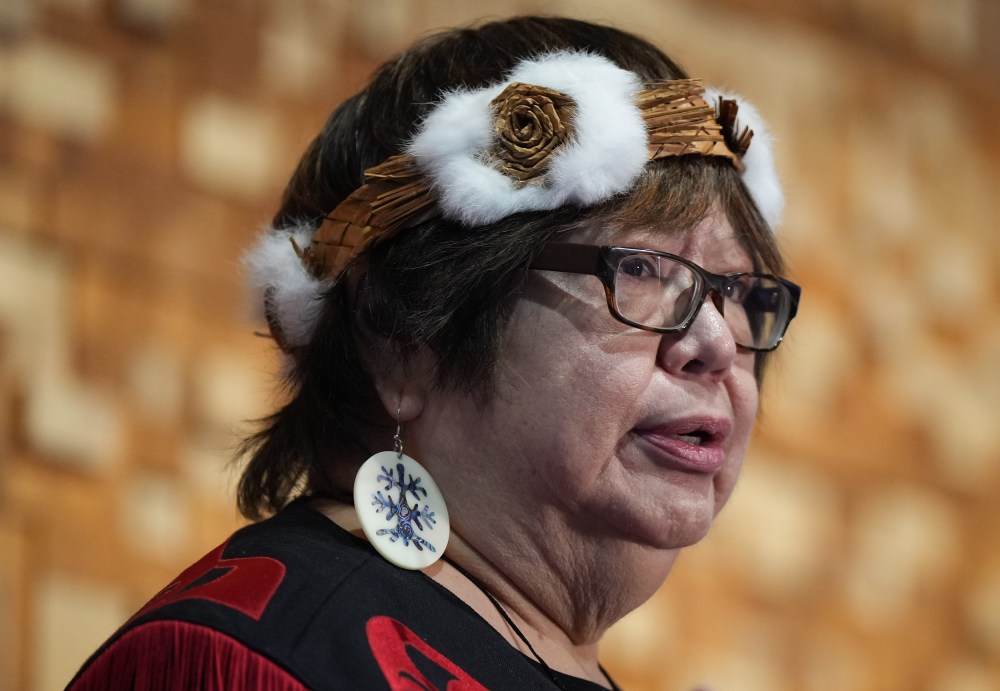
She says accountability organizations like the Office of the Police Complaint Commissioner serve their purpose, but don’t serve Indigenous people in a way that is needed.
Alexander Kirby, acting managing lawyer of the new unit, says it will help people file police or human rights complaints, pursue court actions and access other legal tools.
Kirby says the unit, which includes two staff lawyers, will also help Indigenous people impacted by police misconduct to navigate the various accountability processes.
Sayers says the unit has already handled more than 200 files since it launched a pilot project two years ago and it is now officially taking cases from across the province, with funding from the Law Foundation of BC.
“We are just trying to provide a service to all of the First Nations that are being victimized by the RCMP, by municipal police forces, and make sure their complaints are heard,” she says.
“A lot of times, people just don’t bother, because they know it is not worth it, or they can’t get anywhere, so we want to give some hope that ‘hey, we have somebody here, who is going to represent you.'”
Figures from the council say that since 2017, Indigenous people are 10 times more likely than white people in Canada to have been killed by a police officer.
Indigenous people make up about 5.1 per cent of Canada’s population but they are 16.2 per cent of the total number of police-involved deaths, the council says.
The organization says it is currently handling 83 active cases, including 35 involving use of force, 11 for illegal search and seizure, eight for illegal arrest and detention, and six files involving wellness checks.
This report by The Canadian Press was first published June 10, 2026.