

Two critical after Lachine Canal rescue as group urges prevention
Advertisement
Read this article for free:
or
Already have an account? Log in here »
To continue reading, please subscribe:

Digital Subscription
One year of digital access for only $205*
- Enjoy unlimited reading on winnipegfreepress.com
- Read the E-Edition, our digital replica newspaper
- Access News Break, our award-winning app
- Play interactive puzzles
*First annual payment billed as $205.00 + GST for one year. This annual subscription will automatically renew at $233.00 + GST every 52 weeks (10% off the regular annual price of $259.35). Offer available to new and qualified returning subscribers only. Cancel any time.
To continue reading, please subscribe:
Add Free Press access to your Brandon Sun subscription for only an additional
$1 for the first 4 weeks*
- Enjoy unlimited reading on winnipegfreepress.com
- Read the E-Edition, our digital replica newspaper
- Access News Break, our award-winning app
- Play interactive puzzles
*Your next Brandon Sun subscription payment will increase by $1.00 and you will be charged $17.95 plus GST for four weeks. After four weeks, your payment will increase to $24.95 plus GST every four weeks.
Read unlimited articles for free today:
or
Already have an account? Log in here »
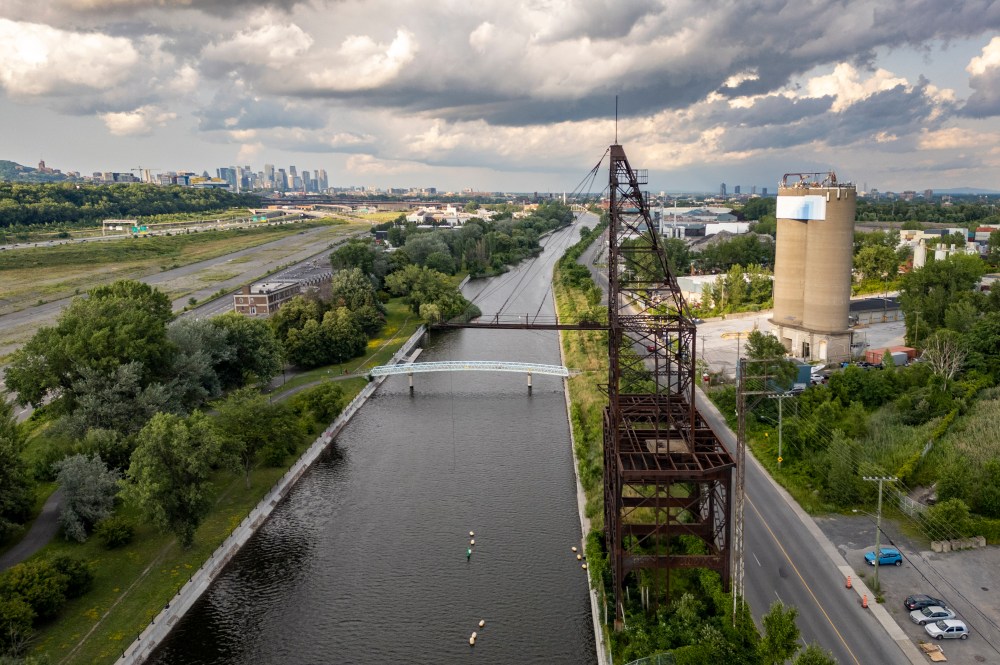
MONTREAL – Two people were in critical condition after being pulled from Montreal’s Lachine Canal late Saturday night in what appeared to be a rescue attempt, a scenario Quebec’s water safety organization says is a recurring risk in drowning deaths.
According to the Montreal fire department, one person fell into the canal and the second entered the water in an attempt to help. Data from the Canadian Drowning Prevention Research Centre show that in more than half of accidental drowning deaths, a rescue attempt is made, and about two-thirds of those who try to help have no rescue training.
The department said it received the initial call shortly before midnight near Parc René-Lévesque and launched a search involving two of its boats and one from the Canadian Coast Guard. Fire officials said sonar equipment aboard one of the department’s boats eventually helped locate the two people.
Steve MacDuff, a spokesperson for Urgences-santé, Quebec’s ambulance service, said both were taken to hospital in critical condition, adding that he could not comment on their condition after they were transferred there.
The Quebec coroner’s office did not respond to a request for comment before publication.
The rescue came as the Société de sauvetage, Quebec’s water safety organization, urged the province’s next government to permanently fund its school swimming program and expand drowning prevention efforts, particularly among newcomers.
Executive director Raynald Hawkins said making the program permanent would help prevent future drownings.
“We hope the next government can ensure this program continues because, according to the coroner, it is by investing in young students that many drownings can be prevented in the future,” he said.
The organization said 22 people had drowned in Quebec so far this year, about the same number as at this point in 2025. However, it said about 60 per cent of those drownings occurred in rivers, compared with 27 per cent during the same period last year.
Hawkins said many people underestimated the dangers of rivers because they often appear calm.
“Sometimes our rivers look inviting because they seem calm on the surface,” he said. “But the currents can be just as strong, if not stronger, than during the spring freshet. It’s just that the water levels are lower.”
He encouraged people to choose rivers with designated beaches.
The organization said the safest way to help someone in distress is to call 911 and reach them with a rope, pole or another object they can grab rather than entering the water.
Hawkins said newcomers were becoming increasingly overrepresented in drowning deaths, adding that community organizations had found many of the people they work with were comfortable going into the water but did not know how to swim.
This report by The Canadian Press was first published July 5, 2026.
— with files from Quentin Dufranne in Montreal