

Nova Scotia teachers group fears government control over university programs
Advertisement
Read this article for free:
or
Already have an account? Log in here »
To continue reading, please subscribe:
Digital Subscription
One year of digital access for only $1.44 a week*
- Enjoy unlimited reading on winnipegfreepress.com
- Read the E-Edition, our digital replica newspaper
- Access News Break, our award-winning app
- Play interactive puzzles
*Billed as $5.77 plus GST every four weeks. After 52 weeks, price increases to the regular rate of $19.95 plus GST every four weeks. Offer available to new and qualified returning subscribers only. Cancel any time.
To continue reading, please subscribe:
Add Free Press access to your Brandon Sun subscription for only an additional
$1 for the first 4 weeks*
- Enjoy unlimited reading on winnipegfreepress.com
- Read the E-Edition, our digital replica newspaper
- Access News Break, our award-winning app
- Play interactive puzzles
*Your next Brandon Sun subscription payment will increase by $1.00 and you will be charged $17.95 plus GST for four weeks. After four weeks, your payment will increase to $24.95 plus GST every four weeks.
Read unlimited articles for free today:
or
Already have an account? Log in here »
HALIFAX – A group representing Nova Scotia’s university teachers says it’s concerned the government is taking more control over which academic programs get funded.
Legislation passed last year links university funding decisions to the government’s social and economic priorities and could allow the province to force schools into unplanned reorganization.
Mathew Reichertz, president of the Association of Nova Scotia University Teachers, said in an interview that academic reviews and funding decisions used to be conducted entirely by the universities themselves, with evaluators from other schools reviewing the work. Now those reviews must be submitted directly to the government. Post-secondary institutions could lose millions in funding if they fail to submit their reports, he said.
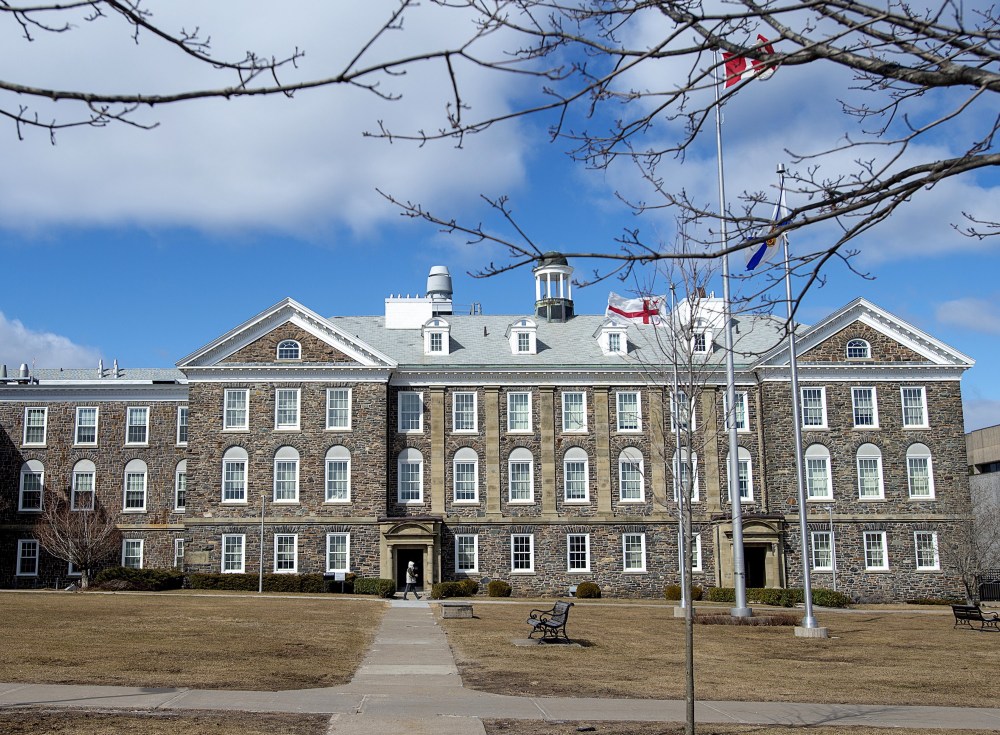
Dalhousie University for example, the province’s largest, has a grant agreement with the province that states $6.2 million in funding would be withheld if it misses the Oct. 15 deadline to provide recommendations on program modernization, plans to improve enrolment for programs the government deems have high labour market need, and plans to reduce programs with low labour demand.
“The government is not an expert in what should happen at universities, but they’re going to set themselves up to be,” Reichertz said in an interview.
“They’re going to say ‘We’ve done all this. We gathered all this information and this is what we’re going to do.’”
The new legislation, known as Bill 12, also allows the minister of Advanced Education to set terms and conditions for research grants, and allows the government to appoint up to half of a university’s board of governors.
Reichertz, a teacher at Halifax’s arts-focused NSCAD University, said it would be easy for the government to target something like an English or philosophy program. He said government officials could say the courses are not making money and are being offered at another institution, so should be cut.
“In general, (universities) think about training citizens,” he said. “So English and philosophy are about training (in) critical thinking, so that citizens can participate in a meaningful way in politics … That’s a tremendously valuable and important society benefit from universities that isn’t very easy to put a financial kind of number on.”
The Advanced Education Department, led by minister Brian Wong, declined to make any officials available for an interview. In an email, spokesperson Chloee Sampson said academic reviews are an important tool to respond to financial realities while ensuring long-term sustainability.
“The academic program review is an important process designed to ensure programs across Nova Scotia’s universities remain relevant and aligned with student demand and labour market needs,” she wrote.
NDP education critic Paul Wozney said in a statement that the changes are government overreach.
“People want a government they can trust, that puts Nova Scotians’ interests first,” he wrote. “Any decisions made about our universities and colleges should be based on what’s best for students, communities, and the long-term future of our province — not short-term political goals.”
This report by The Canadian Press was first published Aug. 14, 2026.