

Canadian firm plans New Brunswick TNT plant to double NATO’s explosives supply
Advertisement
Read this article for free:
or
Already have an account? Log in here »
To continue reading, please subscribe:

Digital Subscription
One year of digital access for only $205*
- Enjoy unlimited reading on winnipegfreepress.com
- Read the E-Edition, our digital replica newspaper
- Access News Break, our award-winning app
- Play interactive puzzles
*First annual payment billed as $205.00 + GST for one year. This annual subscription will automatically renew at $233.00 + GST every 52 weeks (10% off the regular annual price of $259.35). Offer available to new and qualified returning subscribers only. Cancel any time.
To continue reading, please subscribe:
Add Free Press access to your Brandon Sun subscription for only an additional
$1 for the first 4 weeks*
- Enjoy unlimited reading on winnipegfreepress.com
- Read the E-Edition, our digital replica newspaper
- Access News Break, our award-winning app
- Play interactive puzzles
*Your next Brandon Sun subscription payment will increase by $1.00 and you will be charged $17.95 plus GST for four weeks. After four weeks, your payment will increase to $24.95 plus GST every four weeks.
Read unlimited articles for free today:
or
Already have an account? Log in here »
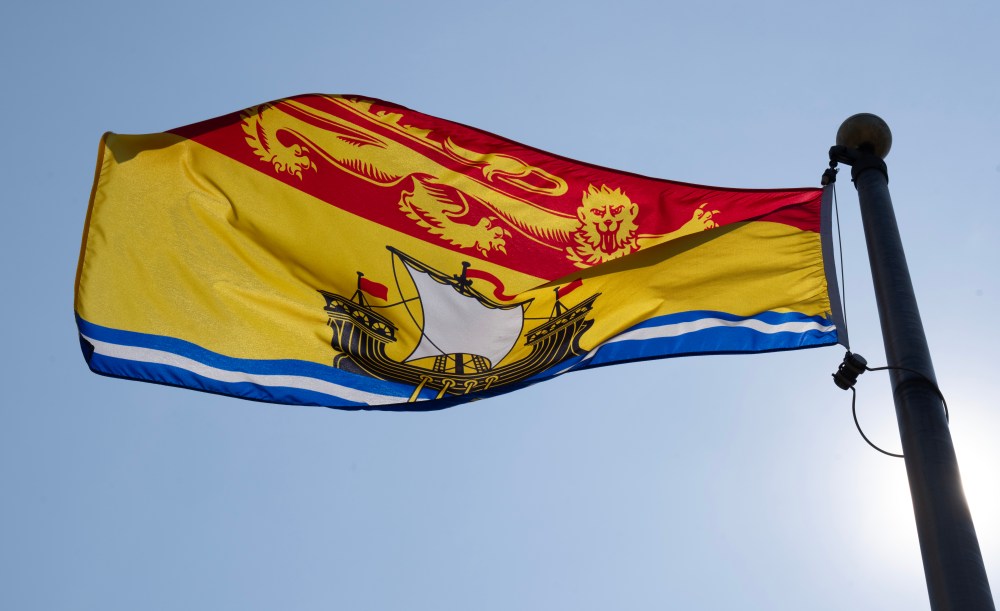
FREDERICTON – A private Canadian firm is planning to build an explosives factory in New Brunswick it says could double the amount of TNT produced each year by NATO countries.
Patrick Gagnon, chief executive officer of Nalagx Corp., said the facility would restore Canada’s status as a major munitions producer during what he described as a supply chain crisis among Western allies.
“It’s critical for our safety,” Gagnon, a former Liberal member of Parliament who represented a riding in southeastern Quebec in the 1990s, told The Canadian Press.
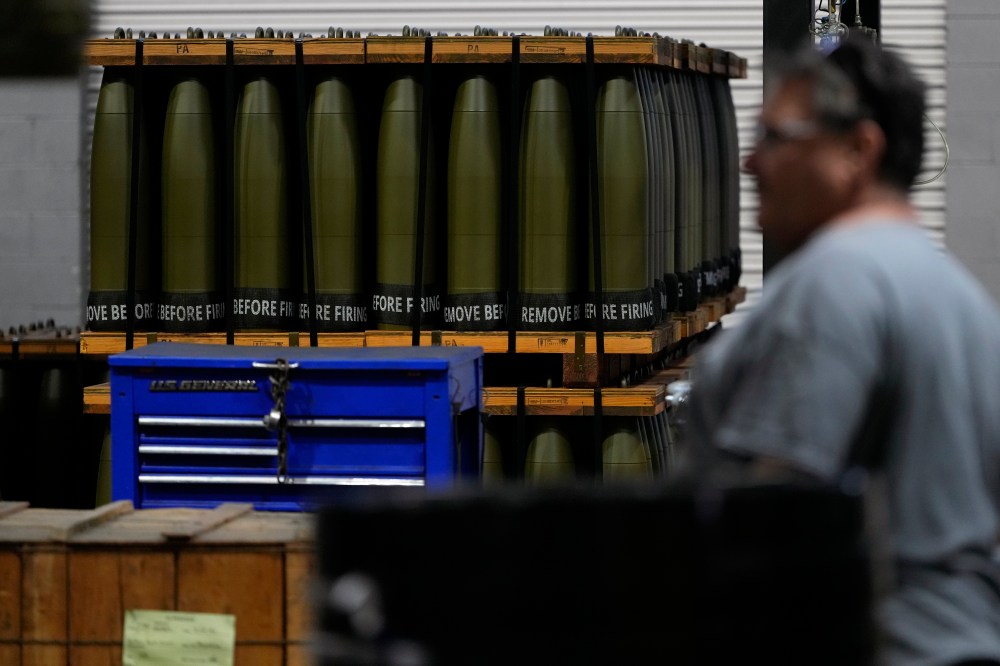
Trinitrotoluene, or TNT, is used in artillery shells, bombs and grenades. Gagnon said he wants to help increase supply of the explosive material and diversify where it comes from.
NATO countries are currently supplied nearly exclusively by a factory in Poland that manufactures between 10,000 and 12,000 tonnes of TNT a year, used for 155-mm artillery shells and aerial bombs.
But Nalagx’s planned campus for Belledune, N.B., would double that capacity by producing 10,000 tonnes of the explosives, Gagnon said in an interview.
“We’re going to bring back balance into the market, and Canada has all the requisite feedstock in order to produce quality energetics,” he said.
Nalagx considered pitches from several provinces and two American states before selecting an area in northeast New Brunswick that included a lease offer from the provincial government.
In a letter dated July 30 and shared with media this week, New Brunswick’s natural resources minister offered Nalagx six square kilometres of government-owned land for the plant.
In the letter, John Herron described the plot as a “favourable location” due to nearby roads, railways and the Port of Belledune, a specialized deepwater port suited for large cargo vessels on the Atlantic Ocean.
“The project represents a potential positive development for New Brunswick’s continued economic growth,” Herron wrote.
Nalagx will need to draw up engineering plans and complete an environmental review before it can start construction of the facility. The company hopes to get shovels in the ground by late 2027 and have the plant fully operational by 2030.
The first phase of the project would create about 250 jobs, Gagnon said. As the company expands the campus, it could hire nearly 1,000 employees.
Most of NATO’s TNT has been supplied by Poland’s state-backed manufacturer Nitro-Chem after other allied countries, including the United States, closed munition facilities in the 1980s.
However, foreign supply chains have become strained since the outset of the wider Ukraine war in 2021. In response, the U.S. and other allies have backed restarting domestic explosives production.
For example, the U.S. army awarded a $435-million contract for a TNT plant in Kentucky in 2024. Local senator Mitch McConnell said at the time it was part of a broader retooling of the U.S. defence industrial base.
“You have to blame the West because we did dismantle or mothball all this kind of capability more than 40 years ago — now we’re trying to rebuild,” Gagnon added.
Christian Leuprecht, a professor at the Royal Military College of Canada in Kingston, Ont., said the company could help with NATO’s current “piecemeal” approach to buying munitions by providing a more stable supply of explosives.
As well, Leuprecht said explosives production in New Brunswick would be another way to deter Russian aggression against both Canada and its eastern European allies.
“This will hopefully be a Canadian contribution, not just for Canada but for the long-term capabilities and surge capabilities” that NATO may need in the case of a conflict, ” he added.
But for the factory to last, it would need support from the Canadian government and its allies, Leuprecht said in an interview Thursday.
Gagnon said his company has had several meetings with top military officials, but he did not say whether the Canadian government had committed to buying Nalagx’s explosives.
Laura McIntyre-Grills, a federal government spokesperson, told The Canadian Press there weren’t any procurement discussions or negotiations underway with the company.
“The Department of National Defence and the Canadian Armed Forces have not made any formal or informal commitment to purchase products from Nalagx,” McIntyre-Grills wrote in an email Thursday.
However, she noted the Canadian government is open to ideas from industry that could contribute to strengthening the country’s defence capacities.
Nalagx won’t just make TNT for Western militaries.
Gagnon said about 30 to 40 per cent of production from the Belledune-area facility will be earmarked for the mining and construction sectors, just as those industries ramp up in the province.
“If you’re going to relaunch the mining industry in Canada, you need energetics, you need explosives,” he said.
“So you need it in sufficient supply where you’re not beholden by foreign sources. So the timing is right, the timing is perfect.”
Gagnon also confirmed his company expects to announce a partner to run the day-to-day operations of the campus in the near future, one of the stipulations the government gave to reserve the land.
This report by The Canadian Press was first published Aug. 26, 2026.
— With files from The Associated Press.