

How drones helped rescue climber stranded on B.C. cliff face
Advertisement
Read this article for free:
or
Already have an account? Log in here »
To continue reading, please subscribe:

Digital Subscription
One year of digital access for only $205*
- Enjoy unlimited reading on winnipegfreepress.com
- Read the E-Edition, our digital replica newspaper
- Access News Break, our award-winning app
- Play interactive puzzles
*First annual payment billed as $205.00 + GST for one year. This annual subscription will automatically renew at $233.00 + GST every 52 weeks (10% off the regular annual price of $259.35). Offer available to new and qualified returning subscribers only. Cancel any time.
To continue reading, please subscribe:
Add Free Press access to your Brandon Sun subscription for only an additional
$1 for the first 4 weeks*
- Enjoy unlimited reading on winnipegfreepress.com
- Read the E-Edition, our digital replica newspaper
- Access News Break, our award-winning app
- Play interactive puzzles
*Your next Brandon Sun subscription payment will increase by $1.00 and you will be charged $17.95 plus GST for four weeks. After four weeks, your payment will increase to $24.95 plus GST every four weeks.
Read unlimited articles for free today:
or
Already have an account? Log in here »
SQUAMISH – Two drones played key roles in the nighttime rescue of a climber stranded 77 metres up a British Columbia cliff face this week, one helping deliver a rope and the other lighting the way.
Squamish Search and Rescue says in a social media statement that the rescue happened Wednesday night on the famed Stawamus Chief some 60 kilometres north of Vancouver.
It says the climber became stranded on a climbing route known as the “Alaska Highway,” described by climbers community Mountain Project as a 167-metre climb with “an imposing system of overhanging corners and chimneys.”
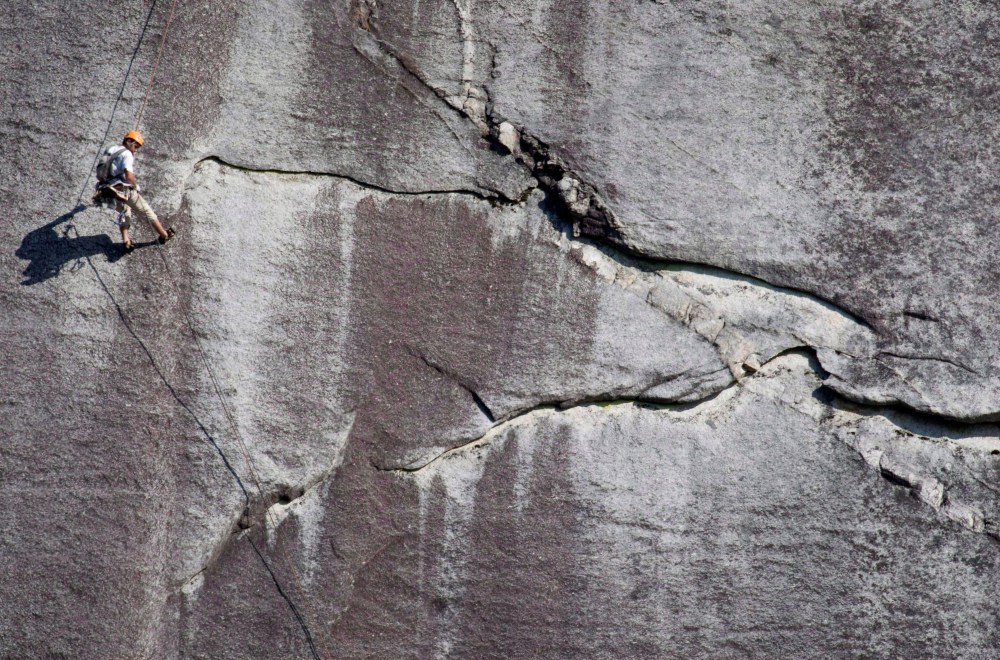
Squamish Search and Rescue says the climber was stranded while secured to an anchor attached to the cliff but did not have a rope.
Rescuers were also challenged by darkness, the scale of the terrain and “significant” rockfall exposure for a traditional rope rescue.
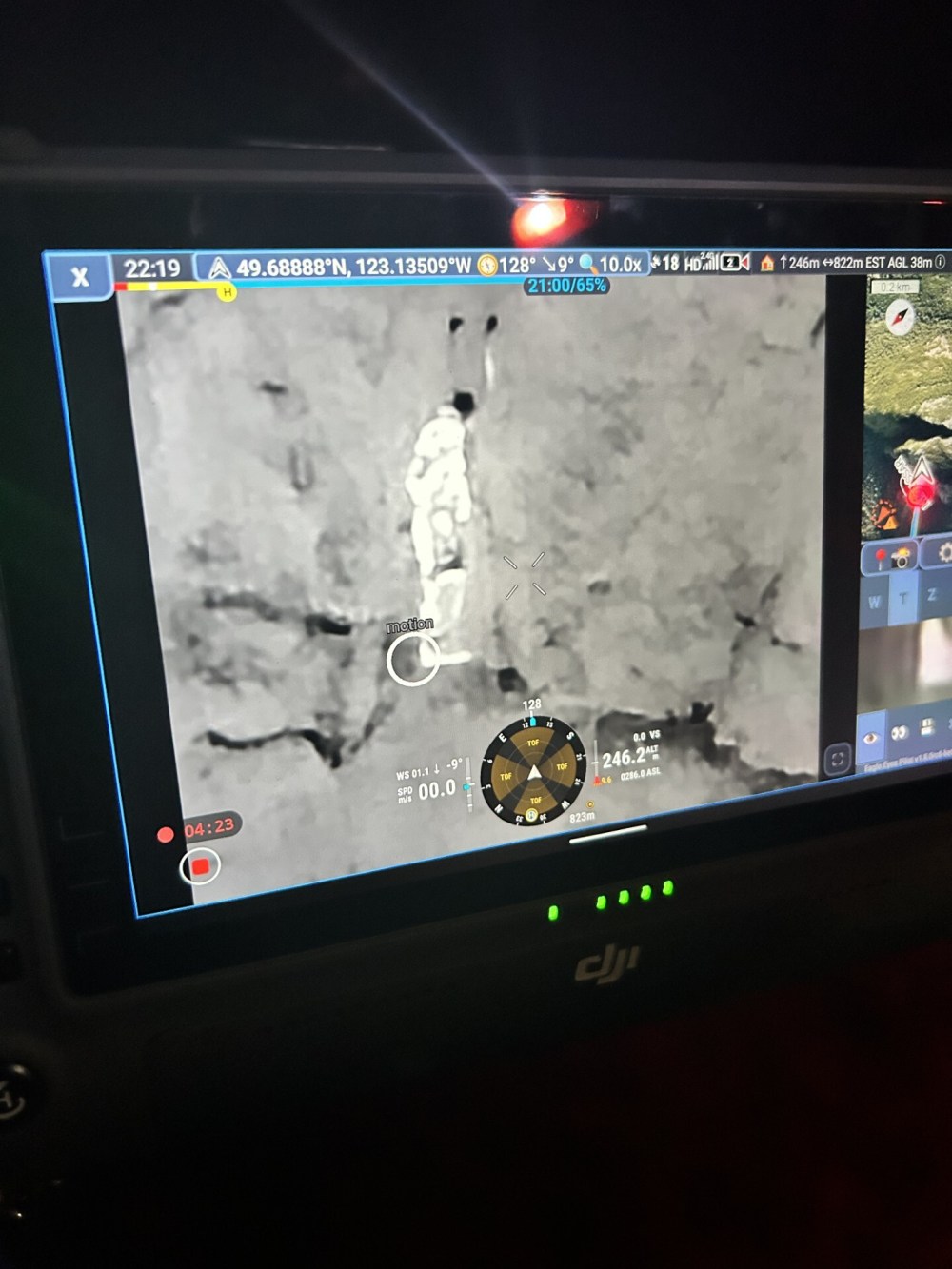
That was when rescue crews deployed the two drones, one illuminating the rock face with a flood light and the other delivering a messenger line to the climber, which was attached to a rope the climber used to rappel to the ground.
“A jacket was also sent up to help keep him warm while the rescue was underway,” Squamish Search and Rescue says in its statement.
“This was a great example of the value of an established drone program — and how the right tools, used in the right circumstances, can help reduce risk for both rescuers and those we’re called to help.”
This report by The Canadian Press was first published Sept. 11, 2026.