A medieval woman’s work is never done
Advertisement
Read this article for free:
or
Already have an account? Log in here »
To continue reading, please subscribe:
Digital Subscription
One year of digital access for only $1.44 a week*
- Enjoy unlimited reading on winnipegfreepress.com
- Read the E-Edition, our digital replica newspaper
- Access News Break, our award-winning app
- Play interactive puzzles
*Billed as $5.77 plus GST every four weeks. After 52 weeks, price increases to the regular rate of $19.95 plus GST every four weeks. Offer available to new and qualified returning subscribers only. Cancel any time.
To continue reading, please subscribe:
Add Free Press access to your Brandon Sun subscription for only an additional
$1 for the first 4 weeks*
- Enjoy unlimited reading on winnipegfreepress.com
- Read the E-Edition, our digital replica newspaper
- Access News Break, our award-winning app
- Play interactive puzzles
*Your next Brandon Sun subscription payment will increase by $1.00 and you will be charged $17.95 plus GST for four weeks. After four weeks, your payment will increase to $24.95 plus GST every four weeks.
Read unlimited articles for free today:
or
Already have an account? Log in here »
Hey there, time traveller!
This article was published 17/08/2013 (4812 days ago), so information in it may no longer be current.
Spanning decades leading up to the Black Death, the mid-14th-century plague that devastated much of Europe, Mary Novik’s second historical novel a brilliant snapshot of late medieval times as the Dark Ages faded into the of the Renaissance.
Muse follows the Vancouver author’s well-regarded 2007 debut, Conceit, set after the great London fire of 1666.
Like such popular historical novelists as Sarah Dunant and Philippa Gregory of England and former Winnipegger Linda Holeman, Novik creates strong female characters — witty, charming and courageous — who are able to influence powerful men.
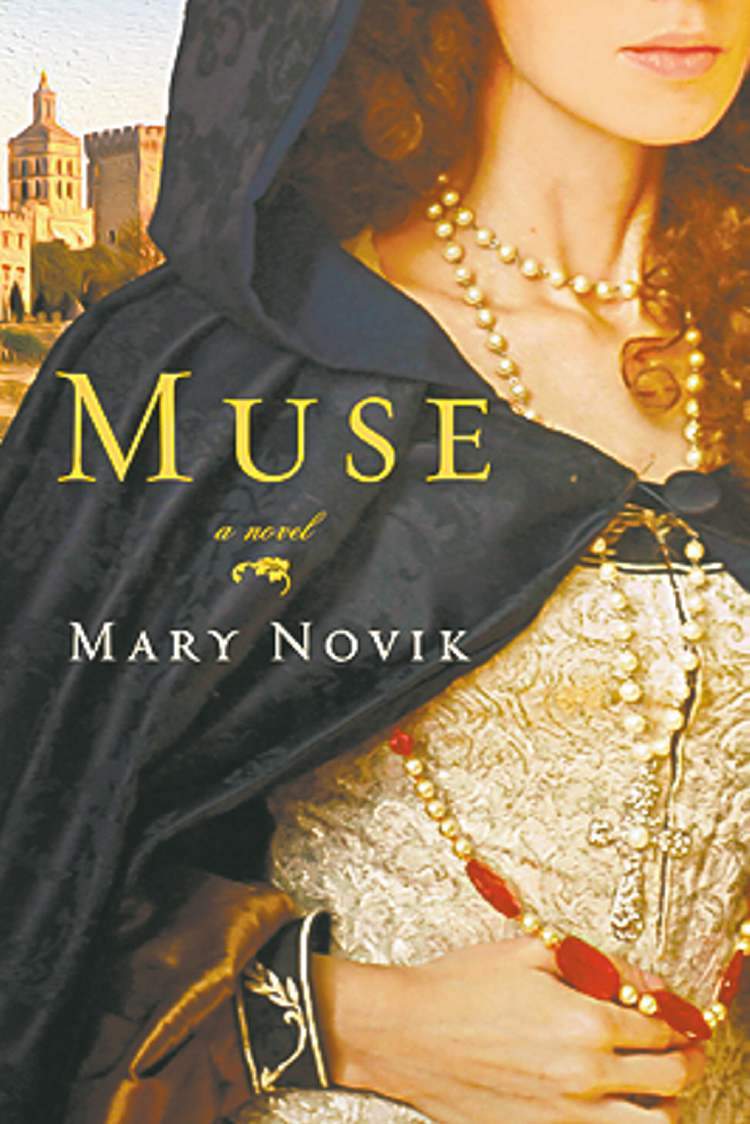
In Muse, she introduces readers to the orphaned daughter of a harlot, Solange Le Blanc, who spends her childhood with Benedictine nuns, studying to become a scribe.
At 15, she flees the abbey to return to her birthplace, Avignon, where she meets the enigmatic Petrarch, renowned Italian scholar and poet.
In her 30s, she becomes a courtesan of Pope Clement XI. Gifted with clairvoyance, Solange is Petrarch’s muse and the pope’s confidante.
While she and Petrarch carry on an impassioned affair, however, another woman is publicly celebrated as his muse in the tradition of courtly love.
Although Solange is a fictional character, Laura’s role as Petrarch’s muse is well documented by historians.
According to classical mythology, the Muses were responsible for literary and poetic inspiration.
With Solange and Laura inspiring Petrarch’s writings in such different ways, carnally as opposed to spiritually, Novik develops a whore-madonna dichotomy throughout the novel.
Though the author’s Magdalene-virgin comparisons are not subtle, she works through them in surprising ways.
Solange’s piety and Laura’s infidelity are completely unexpected in those glorious moments when these two women challenge the status quo with delightful and shocking results.
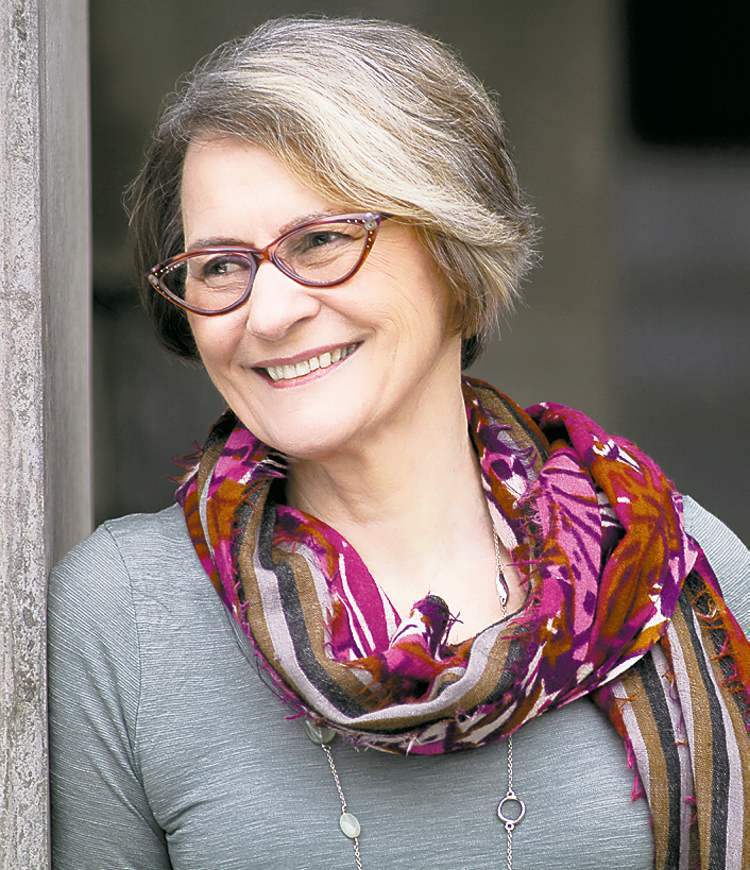
Novik skilfully writes the origins of the early Renaissance with a feminist point of view. Petrarch is eventually crowned the first poet laureate in Rome since ancient times, yet before he meets either of his muses he is a writer without a scribe or a patron.
Even as he enthralls them, neither Solange nor Laura relies on Petrarch entirely. He is as slippery as the eels he feeds Solange to incite her visions.
As literary fiction, Muse is an illuminating portrait of women struggling to have it all, including lovers, children, fortune and prominence, despite whatever pain they endure.
Solange repeatedly suffers accusations of sorcery, but Novik works her own magic once again with this must-read effort.
Jennifer Pawluk is a Winnipeg communications specialist.
History
Updated on Saturday, August 17, 2013 10:16 PM CDT: Tweaks formatting.