

Provinces slam feds over health funding
'Unilateral' plan would slash billions from future transfers
Advertisement
Read this article for free:
or
Already have an account? Log in here »
To continue reading, please subscribe:

Digital Subscription
One year of digital access for only $205*
- Enjoy unlimited reading on winnipegfreepress.com
- Read the E-Edition, our digital replica newspaper
- Access News Break, our award-winning app
- Play interactive puzzles
*First annual payment billed as $205.00 + GST for one year. This annual subscription will automatically renew at $233.00 + GST every 52 weeks (10% off the regular annual price of $259.35). Offer available to new and qualified returning subscribers only. Cancel any time.
To continue reading, please subscribe:
Add Free Press access to your Brandon Sun subscription for only an additional
$1 for the first 4 weeks*
- Enjoy unlimited reading on winnipegfreepress.com
- Read the E-Edition, our digital replica newspaper
- Access News Break, our award-winning app
- Play interactive puzzles
*Your next Brandon Sun subscription payment will increase by $1.00 and you will be charged $17.95 plus GST for four weeks. After four weeks, your payment will increase to $24.95 plus GST every four weeks.
Read unlimited articles for free today:
or
Already have an account? Log in here »
Hey there, time traveller!
This article was published 20/12/2011 (5382 days ago), so information in it may no longer be current.
VICTORIA — Federal Finance Minister Jim Flaherty was accused Monday of imposing a new federal health funding plan on the provinces and territories during what six provinces — including Manitoba — said were unprecedented, one-sided meetings.
Flaherty said Ottawa’s plan to continue increasing health transfer payments at six per cent annually for the next six years before tying the transfer dollars to the rate of economic growth and inflation offers the provinces and territories certain and stable health funding.
But the majority of provincial and territorial leaders said the deal amounted to a take-it-or-leave-it offer that was slapped on the table without any chance of discussion.
“Obviously, there was some concern about having the opportunity to digest the figure we put before them,” said Flaherty at a news conference following the day-long meeting.
Flaherty said the health transfer payments increases will never fall below three per cent. He said by 2018, the increases will be tied to the rate of nominal GDP, which is the measure of economic growth including inflation.
The majority of the provincial and territorial ministers said they were astonished with Flaherty’s approach, even though Ottawa signalled before the meetings it was considering a transfer formula tied to the nominal GDP.
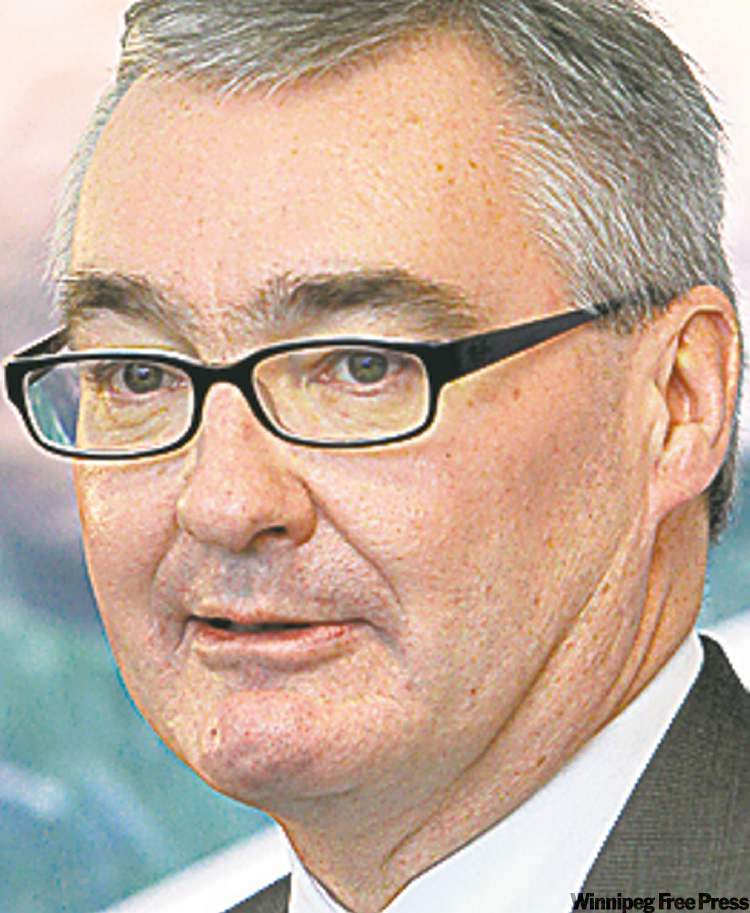
“I do not want to stand back quietly,” said a visibly angry Stan Struthers, Manitoba’s finance minister. “I’m open to any discussion on any angle in terms of the whole ball of wax of transfers — equalization, health, social transfers. I’m open to speaking with the minister on any of that. We didn’t have that today. This was very unilateral.”
Ontario Finance Minister Dwight Duncan said he also expected to be involved in health funding negotiations that addressed the formula, but that wasn’t the case.
“We thought we’d come and hear that sort of thing again, and then get an invitation to work together on these things, recognizing the challenges that all of us face.”
Struthers and Duncan were joined at a post-meeting news conference by the finance ministers from Prince Edward Island, Newfoundland and Labrador and Nova Scotia who all blasted the new transfer arrangement.
“I don’t ever recall six finance ministers, representing, I’ve got to believe it’s about 70 per cent to 80 per cent of the Canadian population, standing up together like this and just angry,” said Duncan.
He said tying health transfers to the nominal rate of economic growth starting in 2017-2018 effectively removes $21 billion from health-care funding across Canada.
“It’s no present at all,” said Duncan. “It’s a lump of coal.”
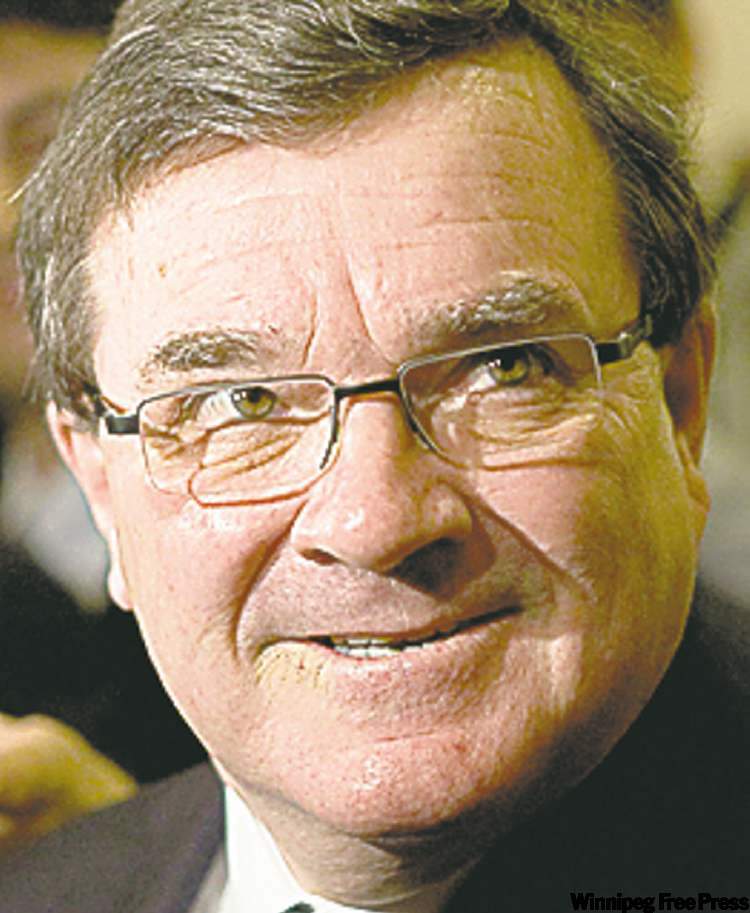
Duncan said his colleagues were all shocked at Ottawa’s unilateral decision.
“He put the document in front of us and said this is how it’s going to be.”
Flaherty said the new health spending investments amount to $178 billion over five years.
He said his provincial and territorial counterparts were briefed about Ottawa’s plans at a dinner last night.
“We do need to talk about the way forward in terms of being fiscally responsible, not only at the federal level but across the country, all the governments,” said Flaherty.
“We all realize that public finances relate to revenues and we can’t pretend that we can spend money that we don’t have.”
— The Canadian Press